



The B.Tech in Biotechnology at Himalayan WhiteHouse International College, Putalisadak, Kathmandu, is a four-year undergraduate program under Purbanchal University (PU). The revised 2025 curriculum is organized across eight semesters and carries a total of 155 credits.
The program combines biological sciences with technology-oriented study. Students progress from physics, chemistry, mathematics, biology, and computing into genetics, microbiology, molecular biology, biochemistry, genetic engineering, bioinformatics, tissue culture, bioprocess engineering, medical biotechnology, agricultural biotechnology, environmental biotechnology, and related areas.
The Department of Biotechnology at Himalayan WhiteHouse International College was established in 2007. Its academic setting includes laboratory facilities for biotechnology teaching and research alongside field visits, workshops, and guest lectures.
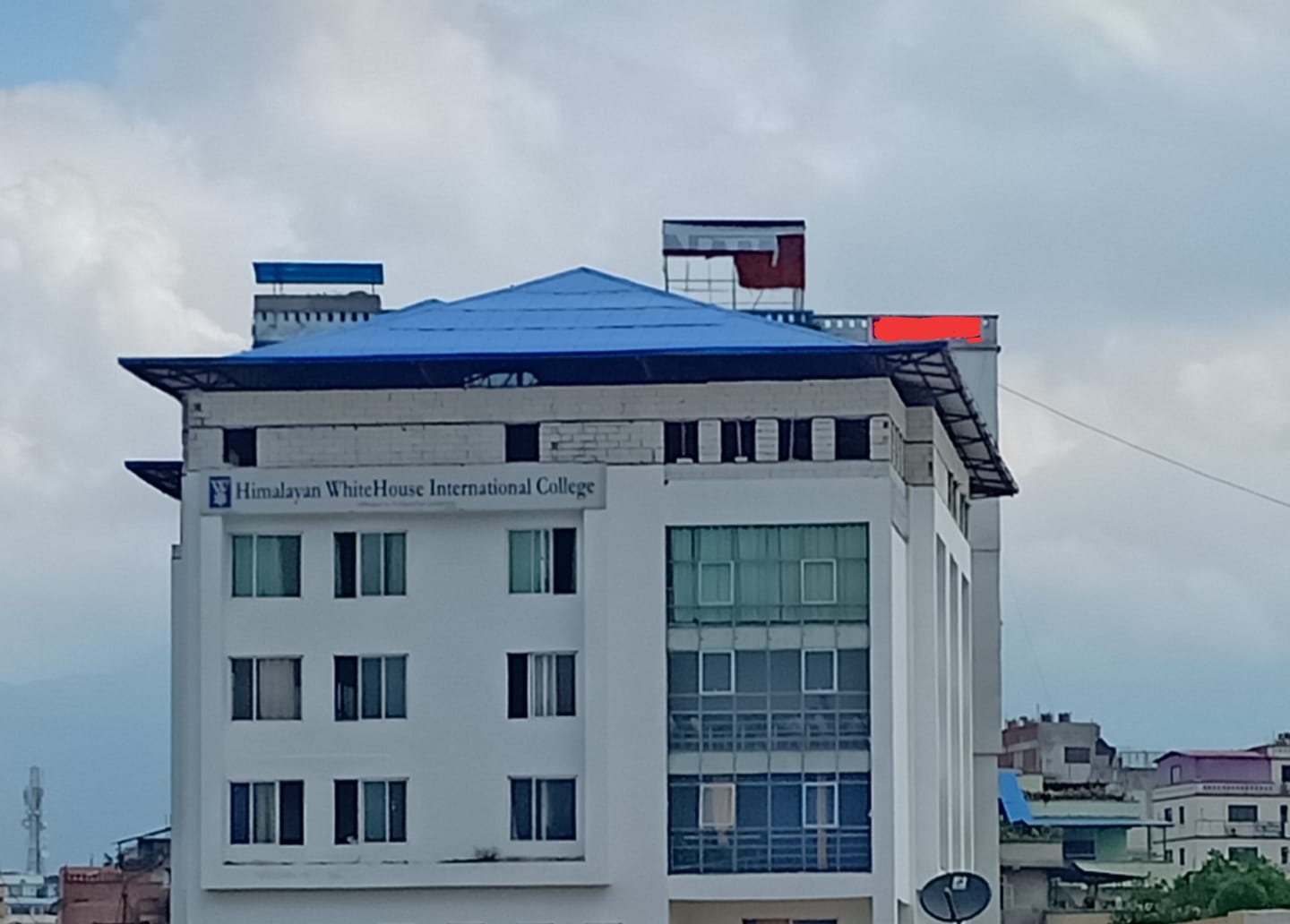
Course: B.Tech in Biotechnology
College: Himalayan WhiteHouse International College
Location: Putalisadak, Kathmandu
Affiliation: Purbanchal University
Duration: 4 years
Academic Structure: 8 semesters
Total Credits: 155 under the revised 2025 curriculum
Seat Capacity: 48
Academic Area: Biotechnology
Final Semester Components: Elective courses, Project/Internship, and Seminar
Eligibility: Candidates must have passed NEB +2 Science, A Level, or equivalent from a recognized academic institution with Physics, Chemistry, Biology, and English. Applicants need a minimum of 45% marks or GPA 2.0 in aggregate.
The stated intake capacity for the B.Tech in Biotechnology program at Himalayan WhiteHouse International College is 48 students.
The revised 2025 curriculum follows a clear progression from basic sciences to specialized biotechnology subjects. It also introduces computing, engineering-related study, research, entrepreneurship, and project or internship work.
| Semester | Main Subjects |
|---|---|
| Semester I | Physics, Chemistry I, Mathematics, Computer Fundamentals, Communicative English, Biology |
| Semester II | Fundamentals of Biotechnology, Chemistry II, Genetics, Cell Biology, Computer Programming |
| Semester III | Microbiology, Biostatistics, Biochemistry, Animal & Plant Physiology, Chemical Engineering |
| Semester IV | Molecular Biology-I, Immunotechnology, Clinical Biochemistry, Developmental Biology, Biophysics & Bioinstrumentation |
| Semester V | Genetic Engineering, Medical Biotechnology, Molecular Biology II, Biochemical Engineering, Enzyme Technology |
| Semester VI | Bioinformatics, Tissue Culture & Plant Biotechnology, Animal Biotechnology, IPR, Biosafety & Bioethics, Bioprocess Engineering, Downstream Processing |
| Semester VII | Agricultural Biotechnology, Environmental Biotechnology, Research Methodology, Entrepreneurship Development, Food & Industrial Biotechnology |
| Semester VIII | Cancer Biology, Toxicology, Pharmaceutical Biotechnology, Project/Internship, Seminar |
Cancer Biology, Toxicology, and Pharmaceutical Biotechnology are identified as elective courses in the eighth semester.
The opening semesters establish the scientific base needed for later biotechnology study. Biology, chemistry, physics, mathematics, genetics, cell biology, and computing provide foundations for understanding biological processes and working with scientific data and laboratory concepts.
The middle part of the program becomes more specialized. Microbiology and Biochemistry are followed by Molecular Biology, Immunotechnology, Clinical Biochemistry, Genetic Engineering, Medical Biotechnology, and Enzyme Technology.
Later semesters broaden the program into applied areas. Bioinformatics introduces computational work related to biological information, while Tissue Culture & Plant Biotechnology and Animal Biotechnology extend study into plant and animal systems. Bioprocess Engineering and Downstream Processing connect biological processes with production-oriented applications.
The seventh and eighth semesters add Agricultural Biotechnology, Environmental Biotechnology, Food & Industrial Biotechnology, Research Methodology, Entrepreneurship Development, electives, a seminar, and Project/Internship work.
The biotechnology environment at Himalayan WhiteHouse covers areas connecting life sciences with applied and technological study. These include:
Molecular biology
Genetic engineering
Microbiology
Immunology
Biochemistry
Plant and animal cell tissue culture
Genomics and proteomics
Bioprocess technology
Computational biology
Environmental science
The wider department information also identifies regenerative medicine and bionanotechnology among its study areas.
Laboratory work has a significant place in biotechnology because many subjects depend on observation, experimentation, biological analysis, and controlled scientific procedures.
The Department of Biotechnology identifies facilities in:
Animal cell culture
Plant tissue culture
Analytical equipment
Genetic engineering
Bioprocess
Bioinformatics
Microbiology
Field visits, workshops, and guest lectures are also included within the department’s academic activities.
The revised curriculum strengthens the applied component further through Research Methodology, Seminar, and Project/Internship in the later semesters.
The curriculum provides opportunities for students to build abilities across laboratory science, biological analysis, research, computing, and biotechnology applications.
Relevant areas include:
Laboratory observation and scientific procedures
Microbiology and biochemical study
Molecular biology and genetic engineering
Plant and animal biotechnology
Bioinformatics
Bioprocess and downstream processing
Scientific data and biostatistics
Research methodology
Biosafety and bioethics
Scientific communication and seminar work
Project and internship-based learning
Development in these areas depends on practical participation, laboratory work, academic performance, and engagement with research and project activities.
The curriculum connects biotechnology with healthcare, agriculture, food technology, environmental work, pharmaceuticals, laboratory science, and research. Possible professional settings for biotechnology graduates include pharmaceutical and biotechnology companies, food and beverage industries, agricultural and seed organizations, hospitals and diagnostic laboratories, environmental organizations, universities, and research institutions.
Possible work areas may include microbiology, molecular diagnostics, quality control and assurance, pharmaceutical development, biotechnology research, environmental monitoring, agriculture and food production, and laboratory-based technical work.
The course itself does not guarantee a particular job or professional outcome. Career direction depends on the graduate's technical preparation, laboratory competence, further training, experience, and the requirements of individual organizations.
Biotechnology graduates may continue into postgraduate study, including master's and PhD-level education. Research-oriented career paths may require advanced study beyond the undergraduate degree.
The undergraduate curriculum provides foundations in molecular biology, genetics, microbiology, biochemistry, bioinformatics, biotechnology applications, research methodology, and project work that can support later academic specialization.
The program runs for four years across eight semesters.
The program is under Purbanchal University.
The revised 2025 curriculum carries a total of 155 credits.
Candidates must have passed NEB +2 Science, A Level, or equivalent with Physics, Chemistry, Biology, and English, with at least 45% marks or GPA 2.0 in aggregate.
The stated intake capacity is 48 students.
The curriculum covers areas including genetics, microbiology, biochemistry, molecular biology, immunotechnology, genetic engineering, medical biotechnology, bioinformatics, tissue culture, animal biotechnology, bioprocess engineering, agricultural biotechnology, environmental biotechnology, and food and industrial biotechnology.
Yes. The biotechnology department identifies laboratory facilities for animal cell culture, plant tissue culture, analytical work, genetic engineering, bioprocess work, bioinformatics, and microbiology.
Yes. Project/Internship is included in the eighth semester of the revised curriculum, together with Seminar and elective study.
Relevant areas include research, pharmaceuticals, quality control, agriculture, food production, environmental work, microbiology, diagnostics, and biotechnology-related laboratory settings.






