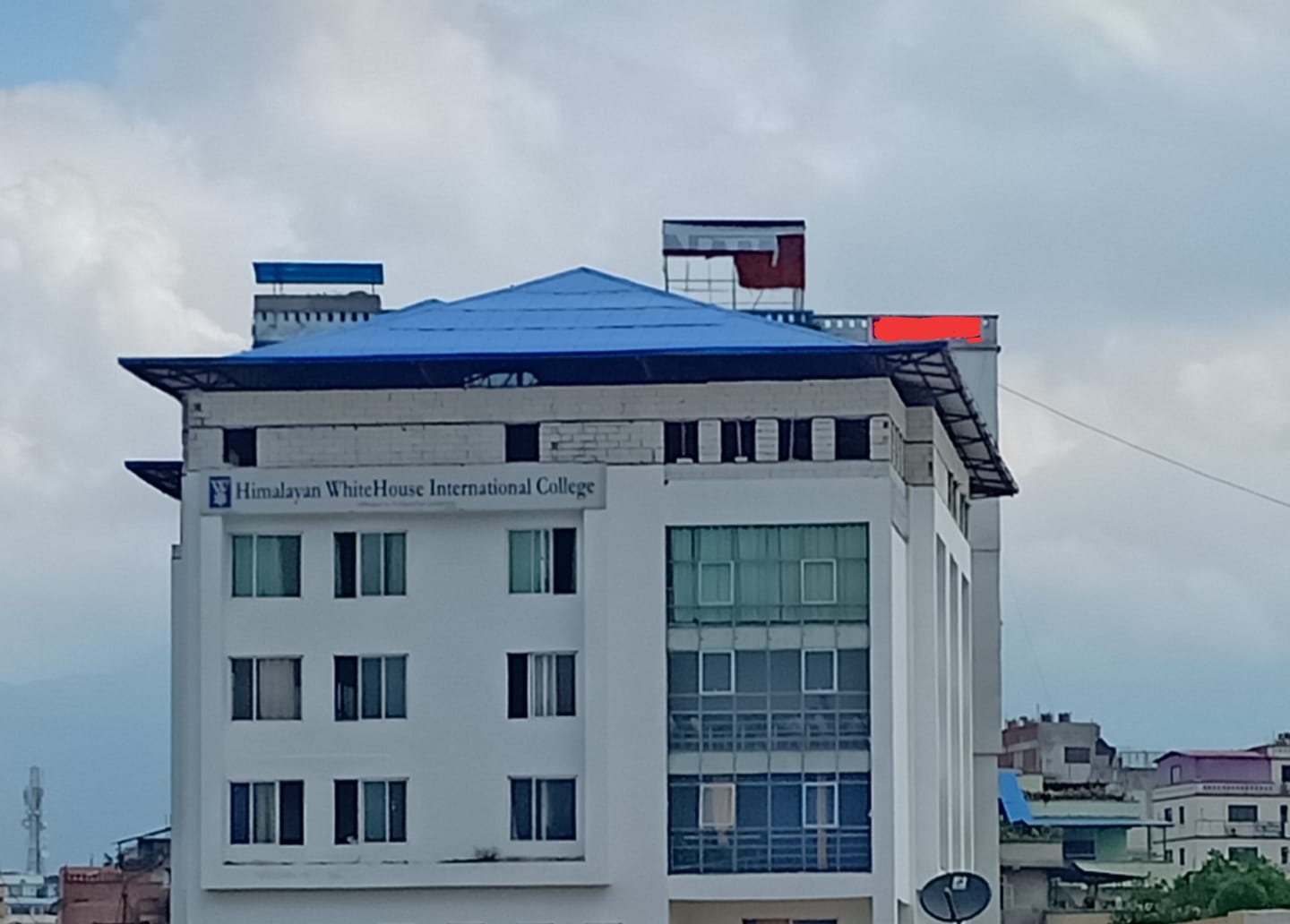
The Bachelor of Civil Engineering (BE Civil) at Himalayan WhiteHouse International College, Putalisadak, Kathmandu, is a four-year undergraduate engineering program under Purbanchal University (PU). The program is organized across eight semesters and covers structural engineering, geotechnical engineering, transportation, water resources, environmental and sanitary engineering, surveying, construction management, hydropower, and related civil engineering areas.
The Purbanchal University course structure effective from the 2021 batch combines mathematics and basic sciences with engineering drawing, mechanics, materials, surveying, hydraulics, structural design, foundation engineering, transportation, water supply, irrigation, construction management, projects, and internship. Practical and field components appear throughout the curriculum rather than only at the end of the degree.
Course: Bachelor of Civil Engineering (BE Civil)
College: Himalayan WhiteHouse International College
Location: Putalisadak, Kathmandu
University: Purbanchal University
Duration: 4 years
Academic Structure: 8 semesters
Seat Capacity: 144
Academic Area: Civil Engineering
Survey Camp: Included in Semester V
Civil Engineering Project: Part I and Part II
Internship: 30 working days in Semester VIII
The first part of the program establishes the mathematical, scientific, drawing, mechanics, and materials foundation needed for later civil engineering subjects.
Semester I includes Mathematics-I, Chemistry, Applied Mechanics-I (Statics), Civil Engineering Materials, Basic Electrical Engineering, Engineering Drawing-I, and Workshop Technology. Semester II continues with Mathematics-II, Physics, Applied Mechanics-II (Dynamics), Building Technology, Fundamental of Thermodynamics and Heat Transfer, and Engineering Drawing-II.
By the third and fourth semesters, students move more directly into civil engineering analysis and field-oriented subjects. Mathematics-III is accompanied by Strength of Materials, Fluid Mechanics, Survey-I, Engineering Geology, Basic Electronics Engineering, and Computer Programming. Semester IV covers Probability & Statistics, Survey-II, Hydraulics, Theory of Structure-I, Concrete Technology and Masonry Structures, Civil Engineering Drawing, and English for Technical Communication.
This progression prepares students for the more specialized structural, geotechnical, transportation, water, and construction subjects that follow in the second half of the program.
| Semester | Main Subjects |
|---|---|
| Semester I | Mathematics-I, Chemistry, Applied Mechanics-I, Civil Engineering Materials, Basic Electrical Engineering, Engineering Drawing-I, Workshop Technology |
| Semester II | Mathematics-II, Physics, Applied Mechanics-II, Building Technology, Fundamental of Thermodynamics and Heat Transfer, Engineering Drawing-II |
| Semester III | Mathematics-III, Strength of Materials, Fluid Mechanics, Survey-I, Engineering Geology, Basic Electronics Engineering, Computer Programming |
| Semester IV | Probability & Statistics, Survey-II, Hydraulics, Theory of Structure-I, Concrete Technology and Masonry Structures, Civil Engineering Drawing, English for Technical Communication |
| Semester V | Soil Mechanics, Survey Camp, Theory of Structure-II, Water Supply Engineering, Transportation Engineering-I, Engineering Hydrology, Design of Steel and Timber Structure |
| Semester VI | Foundation Engineering, Irrigation Engineering, Sanitary Engineering, Transportation Engineering-II, Numerical Methods, Engineering Economics |
| Semester VII | Design of Reinforced Concrete Structure, Hydropower Engineering, Estimation and Valuation, Civil Engineering Project I, Safety Engineering, Construction Project Management, Elective-I |
| Semester VIII | Civil Engineering Project II, Engineering Professional Practice, Elective-II, Internship |
The Semester V Survey Camp has a minimum duration of 12 days. Semester VIII includes an internship of 30 working days.
Structural study begins with Applied Mechanics and Strength of Materials before moving into Theory of Structure-I and II.
Students later study Design of Steel and Timber Structure and Design of Reinforced Concrete Structure. These courses are accompanied by subjects such as Civil Engineering Materials, Concrete Technology and Masonry Structures, Foundation Engineering, and Construction Project Management.
Estimation and Valuation in Semester VII adds another practical dimension by connecting engineering work with quantity, cost, and valuation-related study.
The academic aims associated with BE Civil also include producing detailed drawings, preparing specifications and cost estimates, selecting materials, and planning work schedules.
Surveying is developed across several stages of the degree.
Survey-I appears in Semester III, followed by Survey-II in Semester IV. Both include practical components. Semester V then introduces Survey Camp, which requires a minimum of 12 days.
This sequence gives students repeated exposure to measurement, field data, technical observation, and surveying practice before they enter the final stages of the course.
Water-related subjects form a substantial part of the curriculum.
Fluid Mechanics in Semester III and Hydraulics in Semester IV establish the foundation for later subjects such as Water Supply Engineering, Engineering Hydrology, Irrigation Engineering, Sanitary Engineering, and Hydropower Engineering.
These subjects place water supply, sanitation, irrigation, hydrological analysis, and hydropower within the broader civil engineering curriculum.
Engineering Geology is introduced in Semester III. Soil Mechanics follows in Semester V, and Foundation Engineering appears in Semester VI.
Together, these courses address the relationship between ground conditions, soil behavior, geological factors, and the foundations required for civil engineering structures.
The broader academic scope of the program also identifies geotechnical engineering as one of its major civil engineering areas.
Transportation Engineering is studied in two consecutive semesters.
Transportation Engineering-I is included in Semester V, followed by Transportation Engineering-II in Semester VI.
Transportation also appears among the principal civil engineering fields identified for the course, alongside structural, geotechnical, water resources, environmental, earthquake engineering, and urban planning.
Project work begins formally in Semester VII with Civil Engineering Project I and continues in Semester VIII through Civil Engineering Project II.
The final semester also includes Engineering Professional Practice, Elective-II, and Internship. The internship carries three credit hours and runs for 30 working days.
These final-stage components place project development and workplace exposure alongside the technical subjects completed in earlier semesters.
The current Purbanchal University Faculty of Engineering eligibility framework covers BE programs including Civil Engineering.
For +2 or equivalent applicants, the engineering entrance eligibility requires study in Mathematics, Physics, and Chemistry/Computer with the prescribed subject and grade conditions, including a minimum C grade. Separate provisions apply to applicants from three-year engineering diploma or National Examination Board technical programs, while A Level applicants have separate subject-grade requirements.
The college’s BE Civil admission information also identifies +2 Biology or Physical group, Diploma, or equivalent qualifications with a minimum C in each subject or 45% in aggregate as the academic route for engineering applicants.
Admission to engineering study is tied to the applicable Purbanchal University entrance eligibility requirements.
The BE Civil curriculum contains practical work across science, engineering, surveying, materials, hydraulics, structural study, transportation, sanitation, and other technical subjects.
The first year already includes practical components in Chemistry, Civil Engineering Materials, Basic Electrical Engineering, Engineering Drawing, Workshop Technology, Physics, and related courses.
Later semesters add practical work in Strength of Materials, Fluid Mechanics, Survey, Engineering Geology, Hydraulics, Concrete Technology, Soil Mechanics, Water Supply Engineering, Transportation Engineering, Engineering Hydrology, and other subjects.
The college’s engineering context also includes laboratory work, project-based learning, research-related activity, and interaction with professionals and field experts.
The curriculum provides opportunities to build abilities connected with:
Engineering drawing and technical interpretation
Surveying and field measurement
Structural analysis and design
Soil and foundation analysis
Construction materials
Water supply and sanitation
Hydrology, hydraulics, and irrigation
Transportation engineering
Estimation and valuation
Construction project management
Technical problem-solving
Project preparation
Engineering communication
Practical and field-based engineering work
The level of competence developed in these areas depends on classroom study, laboratory and field participation, project work, internship experience, and individual performance.
Civil engineering work is connected with the planning, design, construction, and maintenance of physical infrastructure. Relevant areas identified for the program include structural engineering, geotechnical engineering, transportation engineering, water resource engineering, environmental engineering, earthquake engineering, and urban planning.
Graduates may consider work connected with roads, bridges, buildings, water systems, transportation, foundations, construction projects, hydropower, and other infrastructure-related activities. The curriculum also includes construction project management, estimation and valuation, safety engineering, and engineering professional practice.
Career outcomes depend on technical competence, practical experience, professional requirements, employer needs, and available opportunities.
BE Civil may suit students who are interested in mathematics, physical science, technical drawing, structures, construction, surveying, water systems, transportation, and field-based engineering work.
The course requires engagement with both calculation-based study and practical activity. Students move from mathematics, science, drawing, and mechanics into structural analysis, surveying, soil mechanics, foundations, water systems, transportation, project management, internship, and engineering projects.
It is therefore an academic route for students prepared to work across classroom theory, technical calculations, drawing, laboratories, field exercises, projects, and professional practice.
The Bachelor of Civil Engineering is a four-year program organized across eight semesters.
The program is under Purbanchal University.
The stated intake capacity is 144 students.
The curriculum includes engineering mathematics, mechanics, materials, surveying, geology, fluid mechanics, hydraulics, structural analysis and design, soil mechanics, foundation engineering, transportation, water supply, hydrology, irrigation, sanitary engineering, hydropower, construction management, projects, and internship.
Yes. Survey Camp is included in Semester V and has a minimum duration of 12 days.
Yes. Semester VIII includes an internship of 30 working days.
Yes. Civil Engineering Project I is included in Semester VII, followed by Civil Engineering Project II in Semester VIII.
The course covers areas including structural, geotechnical, transportation, water resources, environmental, construction, hydropower, and related civil engineering study.