



The Post-Basic Bachelor of Nursing Science (PBNS) at Krishna Medical and Technical Research Centre is a three-year bachelor-level nursing program affiliated with Purbanchal University (PU). The course follows the university's revised 2019 PBNS curriculum.
PBNS is structured as post-basic nursing education with study in medical-surgical nursing, pediatric nursing, midwifery, community health nursing, psychiatric nursing, leadership and management, research, and nursing education. The curriculum also provides elective specialization in Community Health Nursing, Midwifery, Medical-Surgical Nursing, or Psychiatric Nursing.
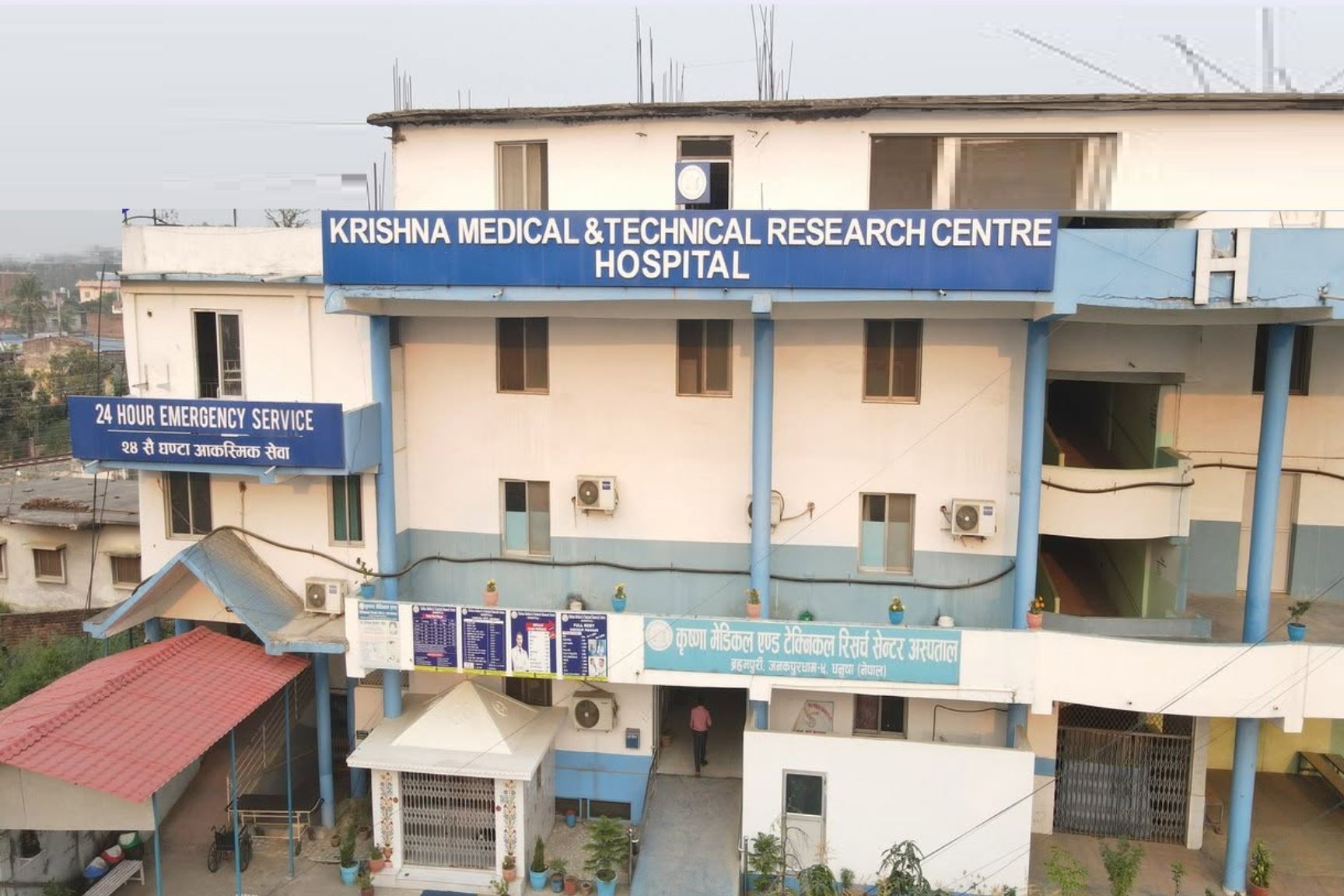
At Krishna Medical and Technical Research Centre, PBNS is offered with morning classes. The centre also has its own 100-bed hospital for practicum and provides academic facilities including laboratories and a library.
| Field | Details |
|---|---|
| Program | Post-Basic Bachelor of Nursing Science (PBNS) |
| Level | Bachelor's Degree |
| College | Krishna Medical and Technical Research Centre |
| Affiliation | Purbanchal University |
| Duration | 3 Academic Years |
| Curriculum | Revised 2019 |
| Study Mode | Morning Classes |
| Admission Framework | MECEE-BL and prevailing MEC provisions |
The first year develops the scientific and nursing foundation needed for later clinical and specialty study. Subjects include Anatomy and Physiology, Pharmacology, Pathophysiology, Microbiology and Parasitology, Biochemistry, Nutrition and Dietetics, Medical-Surgical Nursing-I, Nursing Concepts and Theories, Pediatric Nursing, Medical Sociology and Anthropology, and Professional English.
Practical work accompanies areas such as basic science and nutrition, microbiology and parasitology, medical-surgical nursing, and pediatric nursing. The curriculum includes first-year clinical practice in general and children's hospital settings together with skill-laboratory and clinical-laboratory experience.
The second year moves into Midwifery-I, Community Health Nursing-I, Psychiatric Nursing-I, Educational Science, Epidemiology, Geriatric Nursing, and applied computer-related study.
Clinical and practical requirements extend to maternity, specialty, and mental-health settings, senior-citizen care, community health practice, and educational institutions. Community Health Nursing practicum includes exposure to health-service and community settings specified in the curriculum.
This stage connects nursing practice with community care, nursing education, maternal health, mental health, epidemiology, and care of older adults.
The third year concentrates on Leadership and Management, Research and Biostatistics in Nursing, Oncology Nursing, and an elective specialty.
Students select an elective from Community Health Nursing-II, Midwifery-II, Medical-Surgical Nursing-II, or Psychiatric Nursing-II. The selected area is accompanied by an elective practicum.
Third-year practical work also includes management practicum, clinical practicum, and research practicum. Research activities cover proposal preparation, conducting research, and report writing, while management and specialty placements are linked to the student's major subject and relevant clinical or community setting.
The PBNS curriculum uses classroom instruction alongside discussion, observation, demonstration, assignments, presentations, practical activities, and problem-based or self-directed learning approaches.
Assessment includes internal evaluation and final examination. Practical assessment is also incorporated into the program, including evaluation connected with the major elective subject.
Krishna Medical and Technical Research Centre has its own 100-bed hospital, which forms part of its practical health-education environment. Hospital services include emergency care, surgery, maternity care, diagnostic imaging, and specialty services.
The university curriculum requires clinical and practical experience across several types of health and community settings. The college's hospital supports hospital-based practicum, while individual placement requirements depend on the practical areas specified for each stage of the PBNS curriculum.
Other available facilities include hostel accommodation, laboratories, library, counselling, placement service, conference facility, multimedia facilities, and scholarship support.
Admission to PBNS at Krishna Medical and Technical Research Centre follows MECEE-BL and the prevailing rules and procedures of the Medical Education Commission (MEC), Nepal.
The applicable admission cycle follows MEC provisions concerning entrance procedures, matching, seat allocation, scholarship arrangements, fees, and related admission requirements. Candidates taking part in the matching process may select Krishna Medical and Technical Research Centre Pvt. Ltd. according to the applicable matching arrangements.
Seat numbers, fees, scholarship provisions, and admission procedures may change according to MEC decisions and the relevant admission calendar.
PBNS graduates must meet the applicable professional licensing requirements before entering regulated nursing practice. For nursing graduates, the relevant professional body is the Nepal Nursing Council.
The program's academic and practical components cover nursing care, community health, education, management, research, and specialty nursing areas. Professional opportunities after graduation depend on licensing requirements, qualifications, experience, skills, and the requirements of individual employers or health institutions.
Institution: Krishna Medical and Technical Research Centre
Address: Brahampuri-9, Janakpur, Madhesh Province, Nepal
Phone: 041-591092
Additional Contact: +9779814029769
Enquiry: 9801666518
Email: kmtrcjnk@gmail.com
Website: https://kmtrch.org.np/






