The Bachelor of Public Health (BPH) at Om Health Campus, Gopikrishnanagar, Chabahil, Kathmandu, is an eight-semester bachelor-level program affiliated with Purbanchal University. The revised Purbanchal University curriculum was issued in 2019 under the Faculty of Medical and Allied Sciences.
The program moves from basic health sciences and introductory public health into epidemiology, family health, nutrition, environmental and occupational health, statistics, health education, policy, management, community intervention, research, and project work. Laboratory, classroom, field, residential field, proposal-writing, training, and research components are built into different semesters.
Course: Bachelor of Public Health (BPH)
College: Om Health Campus
Affiliation: Purbanchal University
Duration: 8 semesters
Location: Gopikrishnanagar, Chabahil, Kathmandu, Nepal
Admission: MECEE-BL under the prevailing Medical Education Commission framework
Academic areas: Epidemiology, community health, nutrition, environmental health, health education, statistics, policy, management, research, and public health practice
Practical components: Laboratory practice, field-based practice, residential field practice, proposal writing, training program conduction, and research practicum
Professional requirement: Relevant professional council licensing examination after completion
The early semesters establish a base in public health and health sciences. First-semester study includes Introduction to Public Health, Anatomy, Physiology and Patho-physiology, Public Health Microbiology, Public Health Biochemistry, and Applied Professional English, along with laboratory-based practice.
Second-semester subjects move into Public Health Entomology and Rodentology, Public Health Pharmacy, Pharmacology and Toxicology, First Aid and Safety, Basic Foods and Nutrition, Ecosystem and Environmental Health, and epidemiology of risk factors and communicable diseases. Laboratory and field-based components accompany several of these subjects.
The middle semesters develop population- and community-oriented study through epidemiology, family health, applied public health nutrition, environmental and occupational health, demography, reproductive health and gender, non-communicable diseases and mental health, sociology, anthropology, and public health epidemiology methods. Concurrent field-based practice and term-paper work are also included.
| Semester | Main Study Areas |
|---|---|
| First | Introduction to Public Health, basic health sciences, microbiology, biochemistry, professional English, laboratory practice |
| Second | Entomology and rodentology, pharmacology and toxicology, first aid, nutrition, environmental health, communicable disease epidemiology |
| Third | Public health core actions, family health, nutrition, occupational health, demography and population studies, field practice |
| Fourth | Reproductive health and gender, non-communicable diseases and mental health, family health, epidemiology methods, social sciences |
| Fifth | Public health statistics and computer application, community organization, disaster management, health education, school health, public health service management |
| Sixth | Health education and promotion, medical services in Nepal, public health policy and programs, community health diagnosis and intervention |
| Seventh | Statistics, public health research, supervision and evaluation, health economics, health information and logistics, management field practicum |
| Eighth | Human resource education and training, public health profession and entrepreneurship, project management, training conduction, proposal writing, research practicum |
The later semesters place greater weight on public health administration, community intervention, research, monitoring, evaluation, health economics, information systems, logistics, and project management. Sixth semester includes Community Health Diagnosis and Intervention with Residential Field Based Practice.
Seventh semester includes Public Health Research, Health Program Supervision Monitoring and Evaluation, Health Economics and Financing, Health Management Information System and Logistic Management, proposal writing, and Comprehensive Public Health Management Field Practicum – Residential Field Based Practice. The eighth semester concludes with Education and Training of Human Resource, Public Health Profession and Entrepreneurship, Public Health Project Management, training program conduction, project proposal writing, and Public Health Research Practicum.
Admission to the bachelor-level program is based on MECEE-BL and follows the prevailing rules, guidelines, code of conduct, scholarship provisions, seat allocation system, fee structure, and admission procedures set by the Medical Education Commission (MEC).
The number of seats may differ by admission cycle because seat allocation is determined under the applicable MEC process. Fees, scholarships, admission procedures, seat arrangements, and examination-related guidelines are subject to MEC decisions and the official MEC calendar.
Field-based study appears throughout the curriculum rather than being confined to the final semester. Students undertake laboratory and field practice in the early stages, concurrent field activities in the third and fourth semesters, field-based public health work in the fifth semester, and residential community practice in the sixth and seventh semesters.
Research becomes a defined part of the later course structure through Public Health Research, proposal writing, and the Public Health Research Practicum.
After completing BPH, graduates must pass the applicable professional council licensing examination before entering professional practice. The relevant professional body for public health graduates is the Nepal Health Professional Council (NHPC).
The curriculum supports preparation in areas such as public health assessment, epidemiology, health education, community intervention, program management, monitoring and evaluation, research, statistics, health information, and project work.
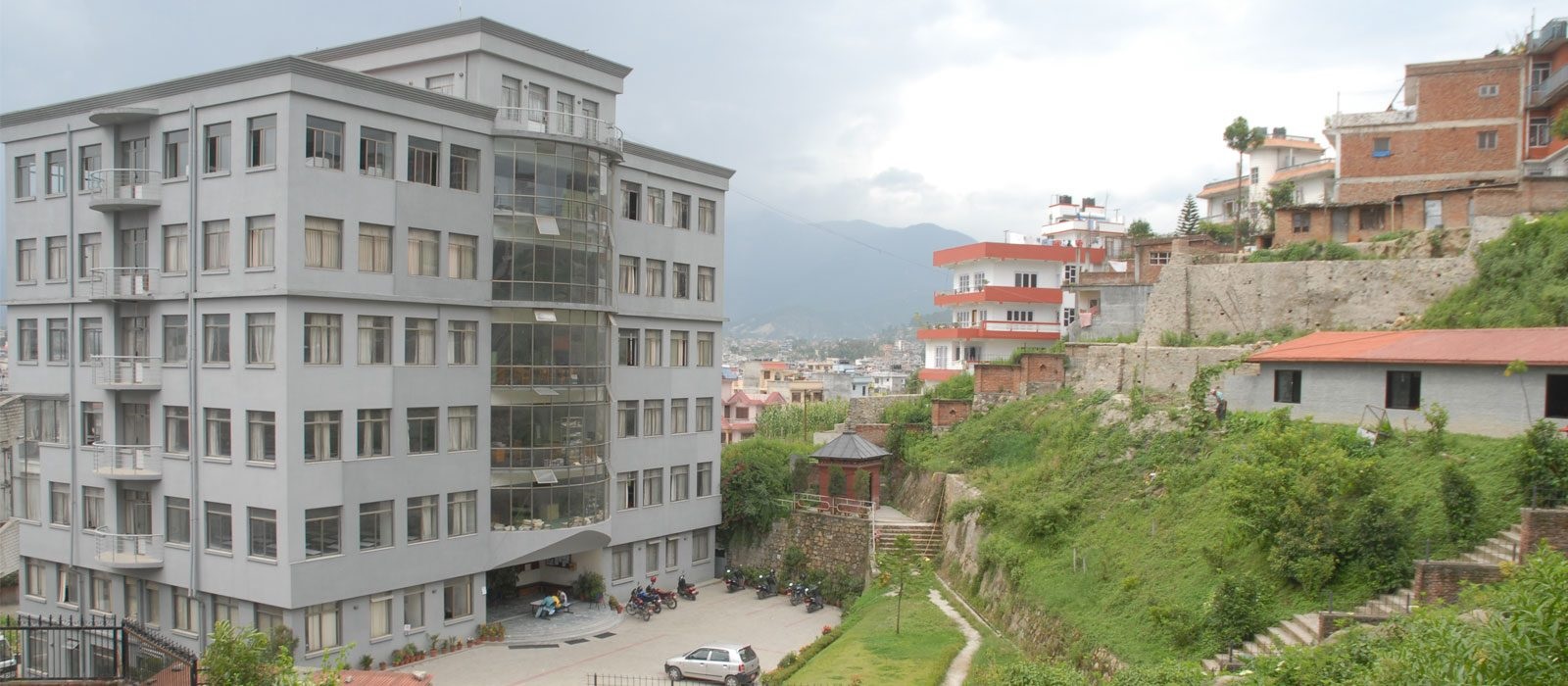
BPH students study within the nursing and public health academic setting of Om Health Campus. The campus facilities include a library, science laboratory, multimedia resources, internet, conference facilities, hostel, cafeteria, transport, counselling, and scholarship support.
The Bachelor of Public Health program follows an eight-semester structure under Purbanchal University.
The program is affiliated with Purbanchal University.
Yes. Admission follows the MECEE-BL system and the prevailing Medical Education Commission framework.
Yes. The curriculum includes laboratory, field-based, concurrent field-based, and residential field-based practice across different semesters.
Yes. The later semesters include Public Health Research, proposal writing, and Public Health Research Practicum.
Yes. Graduates must pass the applicable professional council licensing examination before entering professional practice.