



The Master of Computer Engineering (MCE) is a two-year, four-semester graduate program offered by Pokhara University School of Engineering under the Faculty of Science and Technology of Pokhara University. The program carries 60 credit hours and is designed for graduates of Computer Engineering or an equivalent academic program.
MCE combines advanced computer engineering coursework with research and specialized study. The curriculum covers computer architecture, algorithms, operating systems, software engineering, artificial intelligence, database engineering, embedded systems, cybersecurity, enterprise cloud computing, IT governance, software project management, research methods, electives, and a 12-credit thesis.
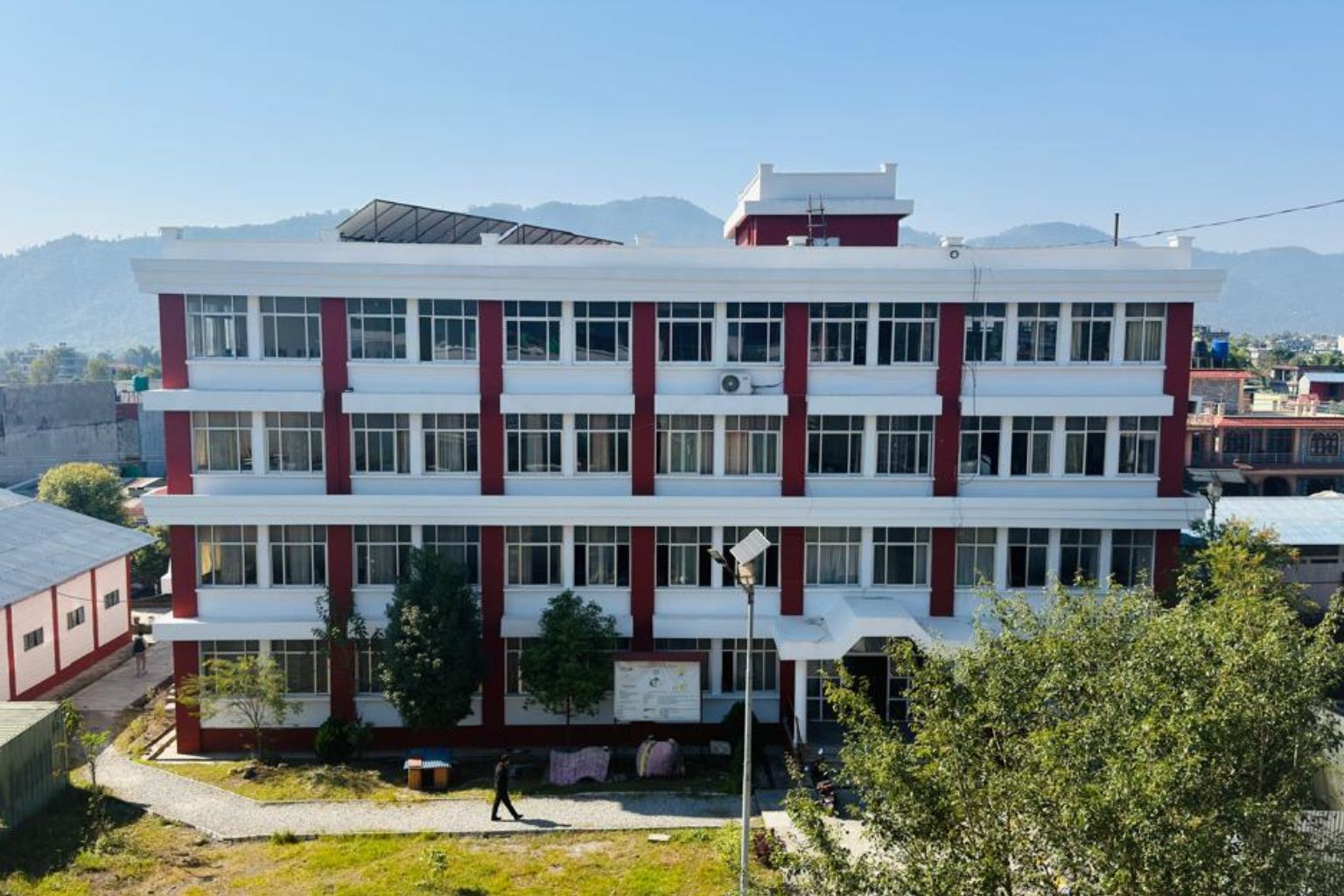
| Particular | Details |
|---|---|
| Course | Master of Computer Engineering (MCE) |
| Institution | Pokhara University School of Engineering |
| University | Pokhara University |
| Faculty | Faculty of Science and Technology |
| Level | Master's |
| Duration | 2 Years / 4 Semesters |
| Total Credits | 60 |
| Seats | 30 |
| Eligible Background | Computer Engineering or equivalent |
| Research Component | Research Techniques, Research Seminar, Thesis |
| Thesis | 12 Credits |
| Location | Pokhara-30, Khudi, Kaski, Nepal |
Master of Computer Engineering develops postgraduate study from the foundation established in undergraduate Computer Engineering. The course does not focus on a single computing area. Instead, it brings together computer systems, software, intelligent computing, embedded technologies, databases, security, cloud computing, governance, project management, and research.
The first semester concentrates on advanced computer engineering foundations. Students study Advanced Computer Architecture, Data Structure and Algorithm Design, Operating System Design and Implementation, Research Techniques, and Software Engineering.
The second semester shifts into Artificial Intelligence, Database Engineering, and Embedded Systems Design while introducing two electives. Semester III includes Cyber Security, Enterprise Cloud Computing, IT Governance and Ethics, Research Seminar, Software Project Management, and another elective.
The final semester contains Elective IV and a 12-credit thesis.
This structure gives research an identifiable place throughout the degree. Research Techniques appears in the first semester, Research Seminar in the third semester, and the thesis forms the main academic component of the final semester.
MCE is intended for applicants who already have an academic foundation in Computer Engineering and want to continue into advanced study in computer systems and related computing technologies.
The course may be relevant to graduates interested in combinations such as:
Computer architecture and system design
Advanced algorithms
Operating system design
Software engineering
Artificial intelligence
Database systems
Embedded systems
Cybersecurity
Cloud computing
IT governance
Software project management
Research and further academic study
The program is different from a general master's degree that accepts graduates from many unrelated bachelor's disciplines. Its eligibility is specifically tied to Computer Engineering or an equivalent degree.
Graduates of BE Computer Engineering therefore have a directly aligned undergraduate academic background for MCE, subject to the stated graduate admission requirements.
Applicants must have completed:
A bachelor's degree in Computer Engineering; or
An equivalent degree or program from a recognized university or institution.
Applicants must also meet the minimum bachelor's-level academic requirement:
Pokhara University graduates require a minimum CGPA of 2.0 at bachelor's level.
Graduates from another recognized university or institution require at least second division or an equivalent grade.
Both conditions matter. An applicant must have the required academic background as well as the minimum bachelor's-level result.
Graduate admission at SOE follows an entrance and merit-based procedure.
The main process includes:
Call for applications for the entrance examination.
Participation in the entrance examination by eligible applicants.
Publication of the merit list of successful candidates.
A correction period for the published merit list where applicable.
Publication of a revised merit list where required.
Notice for spot admission.
Admission according to merit rank and the announced schedule.
Completion of document review and admission formalities.
MCE has 30 seats at SOE. Meeting the eligibility criteria establishes the academic basis for application, while final enrollment follows the entrance, merit, and admission process.
Successful candidates complete document verification during the spot-admission process.
The required records include:
Citizenship, national identity, or another identity certificate and a copy for Nepali applicants.
Passport and/or national identity card and a copy for foreign applicants.
Academic transcript.
Degree certificate.
Character certificate.
Equivalent academic records where applicable.
Two passport-size photographs.
Completed admission form.
Proof of the required admission payment.
Official sponsorship letter where applicable.
Candidates or their guardians attend according to the announced schedule, and admission proceeds rank-wise from the merit list.
The 60-credit MCE curriculum is arranged over four semesters.
| Semester | Main Courses |
|---|---|
| I | Advanced Computer Architecture, Data Structure and Algorithm Design, Operating System Design and Implementation, Research Techniques, Software Engineering |
| II | Artificial Intelligence, Database Engineering, Embedded Systems Design, Elective I, Elective II |
| III | Cyber Security, Enterprise Cloud Computing, IT Governance and Ethics, Research Seminar, Software Project Management, Elective III |
| IV | Elective IV, Thesis |
The final thesis carries 12 credits.
Semester I begins with subjects that build directly on undergraduate Computer Engineering.
Advanced Computer Architecture extends study into computer system organization and architecture at postgraduate level. Data Structure and Algorithm Design develops the algorithmic side of computing, while Operating System Design and Implementation focuses on system software.
Software Engineering adds the software-development dimension, and Research Techniques introduces formal research work early in the degree.
Placing Research Techniques in the first semester is important because students later complete a Research Seminar and a substantial thesis.
The second semester moves into three distinct computing areas:
Artificial Intelligence
Database Engineering
Embedded Systems Design
Artificial Intelligence adds intelligent computing to the curriculum, while Database Engineering addresses advanced work with database systems. Embedded Systems Design connects software and computing with dedicated computer-based systems.
Students also complete Elective I and Elective II during this semester. The elective component gives part of the program flexibility for more specialized study.
Semester III combines technical, management, ethical, and research-oriented subjects.
Cyber Security and Enterprise Cloud Computing extend the program into security and cloud-based computing environments. IT Governance and Ethics adds the governance and ethical side of technology, while Software Project Management addresses the management of software-related work.
Research Seminar provides another formal research component before the final thesis. Students also complete Elective III.
This semester is notable for combining technical computing with governance, management, and research rather than concentrating only on programming or computer hardware.
The fourth semester contains Elective IV and the 12-credit thesis.
The thesis is the largest explicitly identified single academic component in the curriculum. It follows Research Techniques in Semester I and Research Seminar in Semester III, creating a progression from research preparation to independent postgraduate work.
The final semester therefore gives students space to work more deeply within a selected computer engineering or related computing area through both the elective and thesis.
Across the four semesters, MCE covers:
Advanced Computer Architecture
Data Structure and Algorithm Design
Operating System Design and Implementation
Software Engineering
Artificial Intelligence
Database Engineering
Embedded Systems Design
Cyber Security
Enterprise Cloud Computing
IT Governance and Ethics
Software Project Management
Research Techniques
Research Seminar
Elective study
Thesis research
The subject combination reflects the breadth of modern Computer Engineering, where hardware and systems knowledge increasingly intersects with software, intelligent computing, security, cloud infrastructure, governance, and research.
Research is integrated into several stages of the program.
Research Techniques appears in the first semester and provides an early academic foundation for research-oriented work. Research Seminar appears in Semester III, after students have completed several advanced computing subjects.
The 12-credit thesis then forms the main research requirement in Semester IV.
This progression gives students time to move from research preparation toward a defined postgraduate research project rather than encountering research only at the end of the program.
MCE and MSc in Computer Science are separate graduate programs at SOE.
Their entry requirements provide a clear distinction.
| Program | Stated Academic Background |
|---|---|
| Master of Computer Engineering | Bachelor's in Computer Engineering or equivalent |
| MSc in Computer Science | Four-year bachelor's in any Engineering branch, Computer Science, Data Science, Physics, Statistics, Mathematics, or equivalent |
MCE therefore follows a more specifically defined Computer Engineering entry route. MSc Computer Science accepts a wider range of undergraduate academic backgrounds.
Students comparing the two should pay attention to both their bachelor's qualification and the different academic structures of the programs.
Through advanced coursework, electives, research preparation, and thesis work, students may develop abilities related to:
Analysis of advanced computer systems
Algorithm design and problem solving
Operating system concepts
Software engineering
Database engineering
Embedded system design
Artificial intelligence
Cybersecurity
Cloud computing
Technology governance
Software project management
Research planning and academic writing
Development in these areas depends on academic performance, elective choices, research work, technical practice, and individual engagement with the program.
Graduates may explore professional areas connected with software engineering, artificial intelligence and machine learning, cybersecurity, cloud computing, data engineering, database systems, embedded systems, IT governance, technology management, research, and academia.
Possible working environments include technology companies, financial institutions, telecommunications organizations, government agencies, research institutions, universities, and other organizations using advanced computing systems.
The research and thesis components can also support further doctoral-level study in Computer Engineering or related disciplines.
Career outcomes depend on technical ability, research experience, professional experience, individual specialization, location, and available opportunities.
MCE runs for two years across four semesters and carries 60 credit hours.
Master of Computer Engineering has 30 seats at SOE.
Applicants need a bachelor's degree in Computer Engineering or an equivalent degree or program from a recognized university or institution.
Pokhara University graduates need a minimum bachelor's-level CGPA of 2.0.
Yes. Artificial Intelligence is included in Semester II.
Yes. Semester III includes Cyber Security and Enterprise Cloud Computing.
Yes. Semester IV includes a 12-credit thesis.
The curriculum contains four elective courses: two in Semester II, one in Semester III, and one in Semester IV.






