



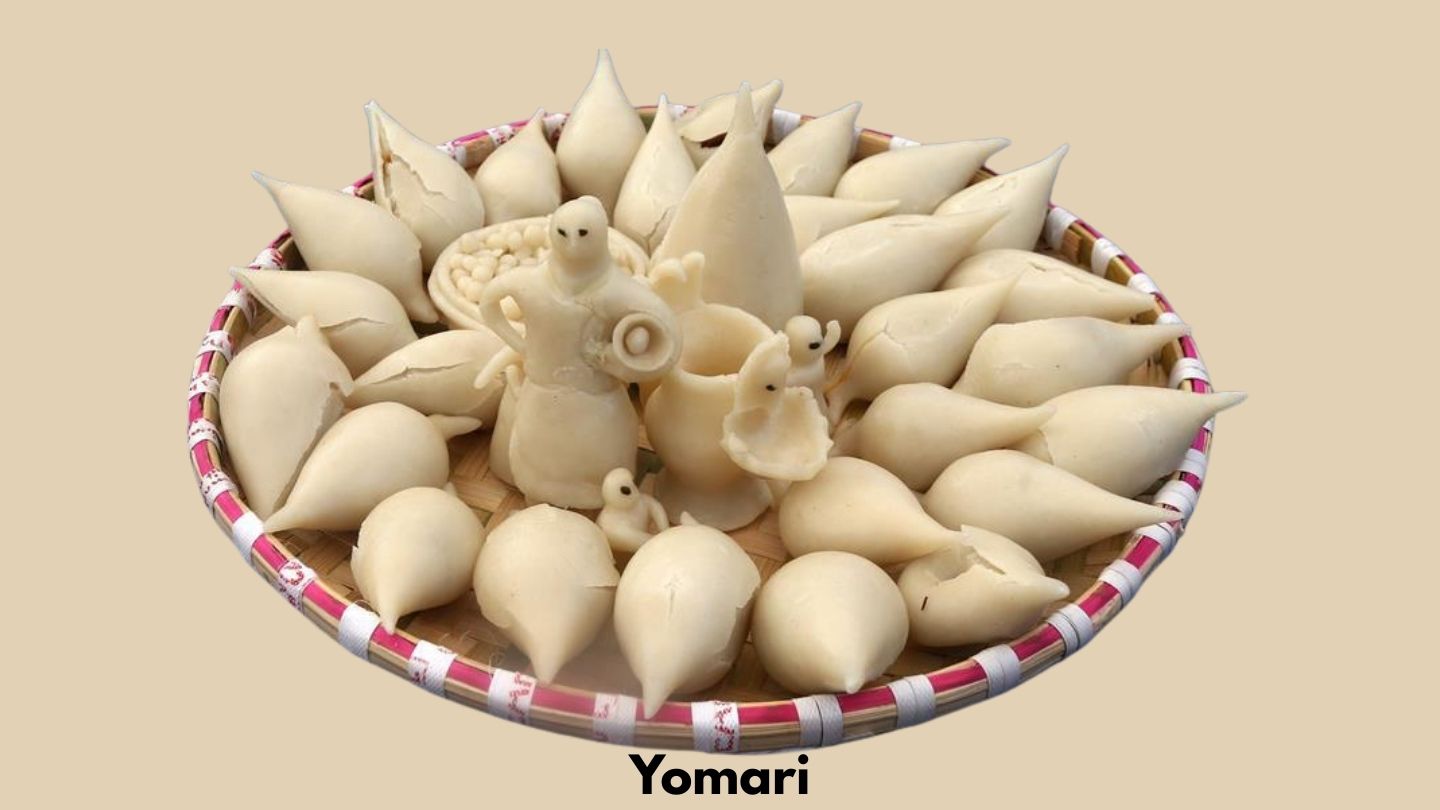
Newar communities, who are rich in diverse ancient cultures and traditions and are spread across the Kathmandu Valley and the rest of the country, will celebrate Yomari Punhi with great enthusiasm on Thursday.
Agricultural and ritual significance of Yomari Punhi
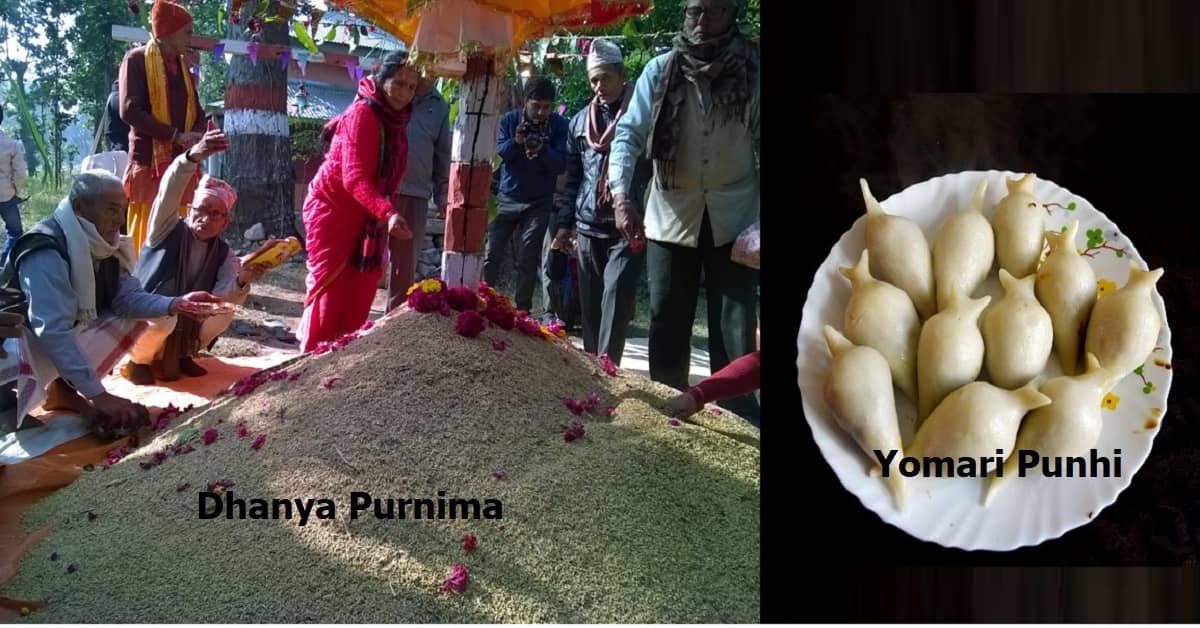
The full moon of the rice harvest has special significance in relation to agricultural work. From Yomari Punhi, the day of the full moon, the formal process of harvesting paddy is considered complete.
Newly harvested rice flour is shaped like a fish, and fillings such as molasses (chaku), sesame seeds, and milk-based khuwa are placed inside. The yomari is then prepared by steaming it over water.
Meaning of Yomari and symbolism of the five elements
Cultural expert Chunda Vajracharya says that the Yomari festival is regarded as a festival for strengthening brotherhood and exchanging bread with one another.
In the Nepal Bhasa language, “yahmari” is understood as follows: “yah” means “liking” or “favorite,” and “mari” means “bread.” Therefore, it is taken to mean “favorite bread.”
Yomari is also regarded as a symbol of the five elements (panchatatva):
-
As earth: rice flour
-
As fire: molasses (chaku)
-
As water: water
-
As sky: the empty inner space
-
As air: sesame seeds
Development of Yomari as a form of bread
According to cultural expert Vajracharya, in earlier times, bread meant only dry flatbread; there were not many varieties of bread as there are now.
Later, the Newar community developed yomari by using the foodstuffs they had with them. At that time, mixing ground sesame seeds and liquid molasses and placing the mixture inside rice flour dough led to the development of a more modern form of bread, he says.
By making this new type of bread, everyone found it delicious and it became liked by all. From this, its name evolved from “yahgu mari” to the present “yahmari,” Vajracharya explains.
Preparing yomari is considered equivalent to inviting the goddess Lakshmi. Making yomari from the first flour ground from the paddy harvested from one’s own field is understood as welcoming Lakshmi.
Yomari offerings and sharing in Bhaktapur
In Bhaktapur, this festival is celebrated by offering yomari at Dhaneshwar.
According to the belief that giving yomari as alms to the poor on this day will result in receiving double the amount in the coming year, the practice of distributing yomari has continued since ancient times.

.png)

Comments 0
No comments yet. Be the first to start the conversation.