



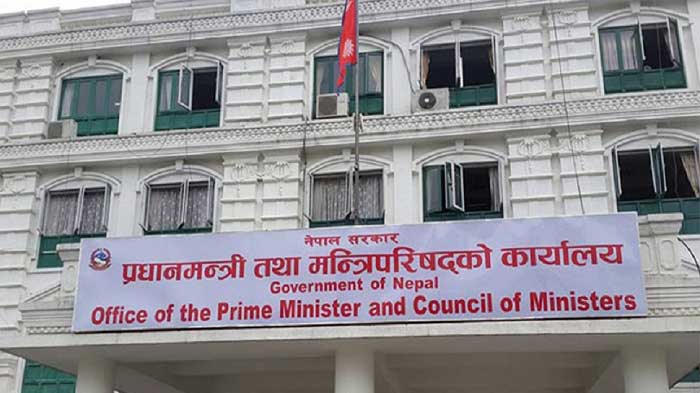
Government Decides to Reduce Ministries to 18, New Work Division Approved
The Government of Nepal has decided to reduce the number of federal government ministries from 22 to 18. The number of ministries was reduced after the Council of Ministers meeting held at the Office of the Prime Minister and Council of Ministers, Singha Durbar, on Wednesday, Baisakh 30, 2083 (13 May 2026), approved the “Government of Nepal (Work Division) Rules, 2083.”
The government said the number of ministries has been restructured with the objective of advancing administrative reform, maintaining austerity, reducing unnecessary recurrent expenses, and making government performance more effective and efficient.
According to Deepa Dahal, press and research expert to the Prime Minister, the ministries of Finance; Home Affairs; Foreign Affairs; Defence; and Law, Justice and Parliamentary Affairs have been kept unchanged. She said the ministries of Industry, Commerce and Supplies; Culture, Tourism and Civil Aviation; and Energy, Water Resources and Irrigation have also not been changed.
The government has formed a separate “Ministry of Science, Technology and Innovation,” giving separate priority to technology and innovation-related work. Science and technology-related functions have been separated from the former Ministry of Education, and new responsibilities related to innovation have also been placed under this ministry.
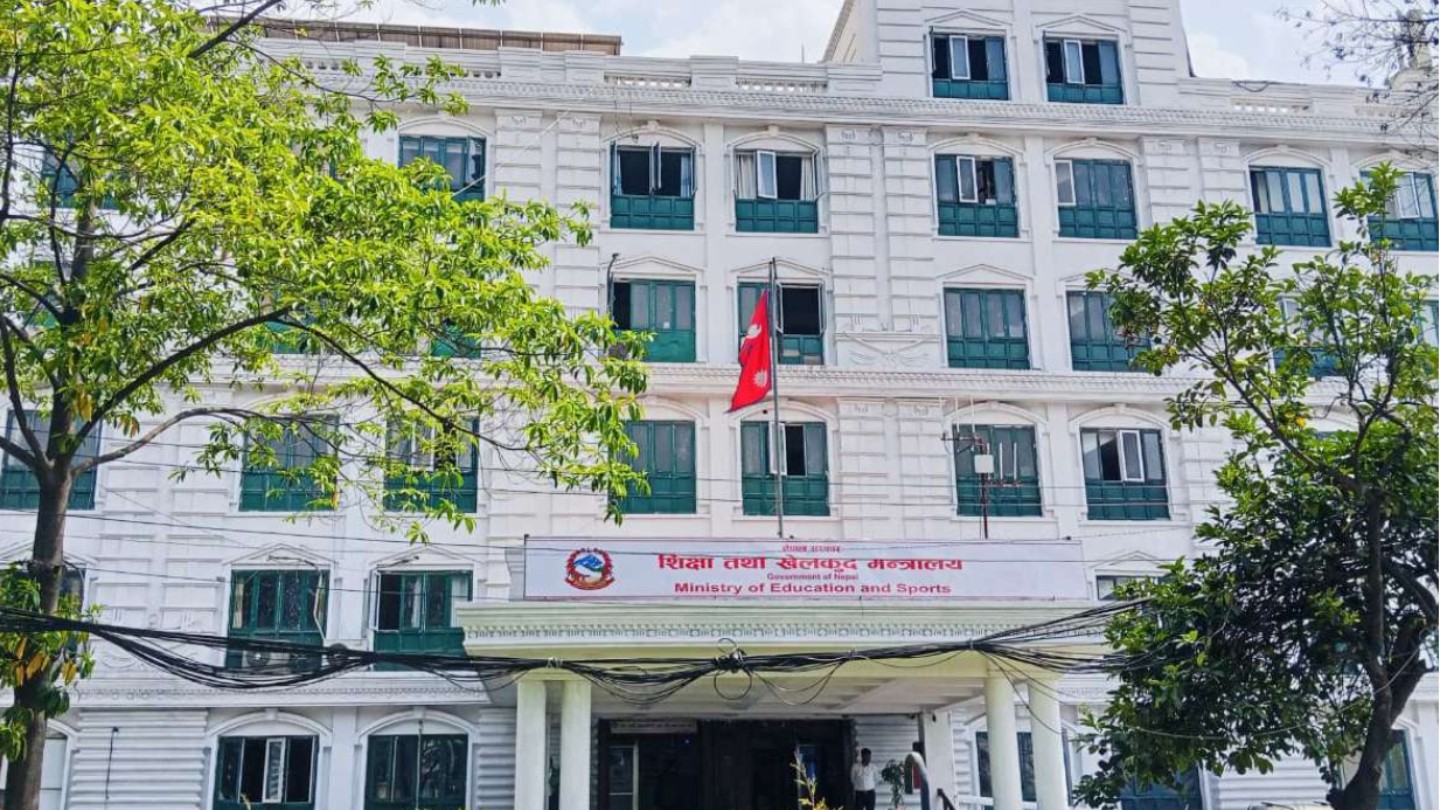
Under the new work division, ministries of a similar nature have been integrated. The new structure includes the Ministry of Education and Sports; Ministry of Information and Communication; Ministry of Youth, Labour and Employment; and Ministry of Land, Cooperatives, Federal Affairs and General Administration.
Similarly, the Ministry of Women, Children, Gender and Sexual Minorities and Social Security; Ministry of Health and Food Security; Ministry of Infrastructure Development; and Ministry of Agriculture, Forests and Environment have also been included as restructured ministries.
The information technology-related work previously handled by the former Ministry of Communication and Information Technology has now been merged into the Office of the Prime Minister and Council of Ministers.
After the formation of the new government, the publicly announced “100-Point Agenda on Governance Reform” included a plan to review the number of ministries. In line with that plan, the “Restructuring Management Secretariat,” formed under the coordination of Secretary Govinda Bahadur Karki, had submitted its report.
According to Dahal, the division of work, renaming, and integration of ministries were carried out on the basis of that report. The government said this step was taken to make the state mechanism more agile, as having more ministries than necessary had increased recurrent expenses.
The list of ministries and offices that will remain after the changes is as follows:
-
Office of the Prime Minister and Council of Ministers
-
Finance
-
Industry, Commerce and Supplies
-
Energy, Water Resources and Irrigation
-
Law, Justice and Parliamentary Affairs
-
Agriculture, Forests and Environment
-
Home Affairs
-
Foreign Affairs
-
Infrastructure Development
-
Land, Cooperatives, Federal Affairs and General Administration
-
Women, Children, Gender and Sexual Minorities and Social Security
-
Youth, Labour and Employment
-
Defence
-
Science, Technology and Innovation
-
Education and Sports
-
Information and Communication
-
Culture, Tourism and Civil Aviation
-
Health and Food Security




Comments 0
No comments yet. Be the first to start the conversation.