CTEVT Exam Details
- Education Board
- CTEVT
- DurationYear
About CTEVT Exam Details
CTEVT Examination and Verification: Process, Standards, and Guidance
In technical education, skill matters more than knowledge, so the examination system is different from general schools or universities and is more practical in nature. Full responsibility is handled by CTEVT’s Office of the Controller of Examinations (OCE).
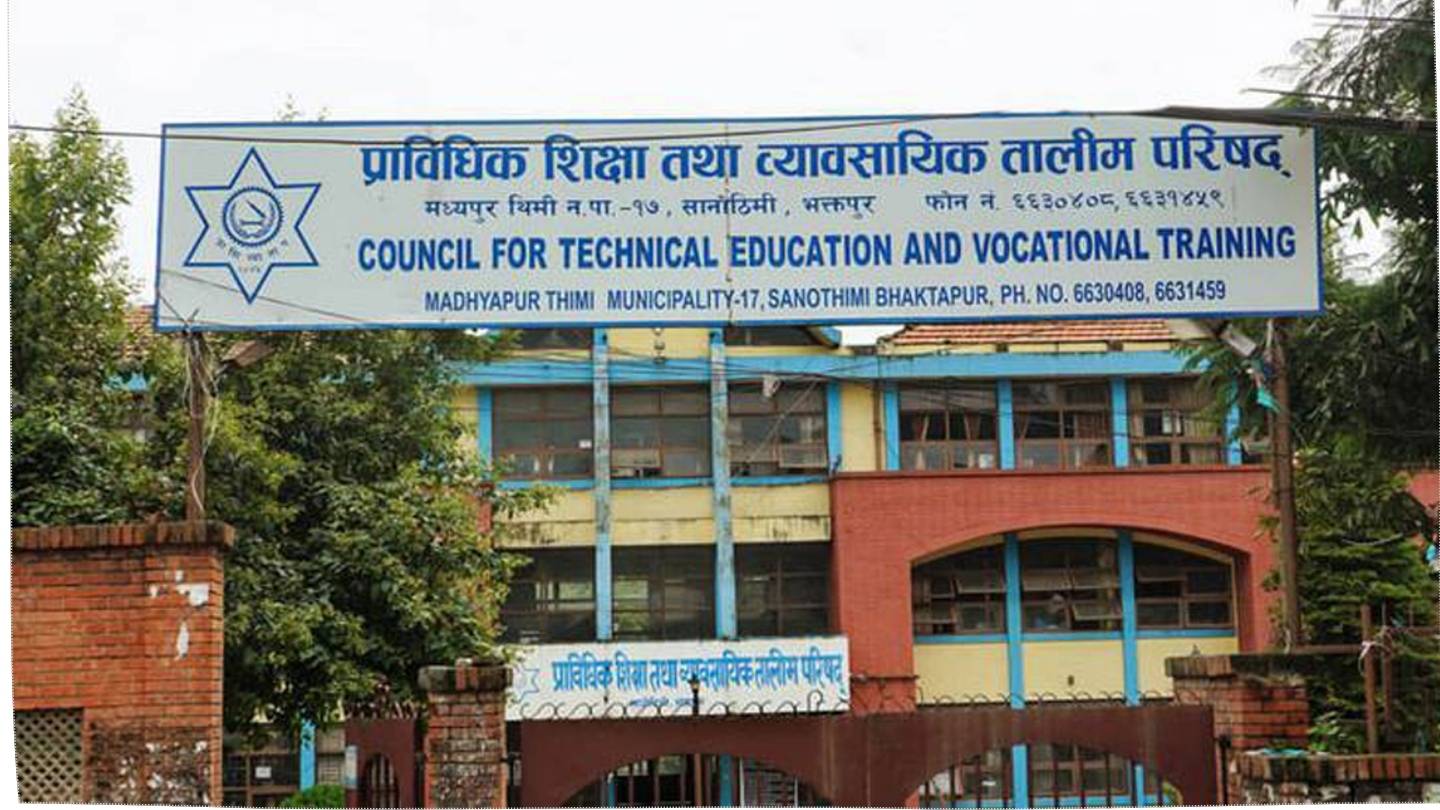
Types of Examinations and the Evaluation System
CTEVT uses a multi-dimensional evaluation system to assess student competence.
Internal Assessment
This is an examination conducted by the concerned institute. It includes attendance, class performance, and unit tests. Students who do not pass internal assessment are not allowed to sit for the final board examination.
Theory Exam
This is a centralized examination taken at the end of the academic session. Students must sit the exam at the examination center designated by the Council.
Practical Exam
This carries greater weight in technical subjects. In some subjects, students must demonstrate skills in a lab or workshop in the presence of an external examiner.
On-the-Job Training (OJT) Assessment
For pre-diploma students, the skills learned in the workplace are evaluated by the relevant industry and institution, and marks are awarded.
Exam Cycle and Calendar
CTEVT conducts examinations under two types of systems.
Semester System
This is applied mainly in engineering diploma courses (two examinations per year).
Annual System
In health science (nursing, HA, pharmacy, and similar) and in agriculture/forestry courses, the main examination is held once a year.
Examination Attempts
-
Regular exam: The first examination after completing the academic session.
-
Back exam: A special opportunity for students who fail in a subject.
-
Chance exam (level upgrading): An exam intended to support final-year students who fail only one or two subjects so they can move to employment sooner.
Exam Form and Registration Process
To participate in examinations, students must complete the following process.
Registration Form (R-Form)
After admission, students fill this form to register their official record with the Council. The registration number is the student’s permanent identity throughout the academic period.
Exam Form
This form must be filled about one to two months before the examination.
Fee Details
Regular and back exam fees differ. Fees are comparatively lower in government institutes. If the form is submitted late, a late fee (double fee) is charged.
Admit Card
Entry to the examination hall is prohibited without an admit card.
Result and Grading
In recent years, CTEVT has adopted the letter grading system. Results are published on the website www.ctevtexam.org.np.
GPA Calculation
A minimum grade must be achieved in both theory and practical components.
How to View Marks
Students can download a marksheet using their symbol number and date of birth. However, the official marksheet must be obtained from the institute.
Post-Result Services
After results are published, some students may have complaints or issues. For this, the OCE provides the following services.
A) Re-totaling
If a student believes marks do not match their performance, they must apply within 15 days of result publication. This process checks only whether there is an error in totaling marks; answers are not re-checked.
B) Viewing of Answer Script
Students who remain unsatisfied after re-totaling may pay the prescribed fee and view their own answer script.
Certification and Correction Process
Students who pass receive the following certificates.
-
Transcript: Detailed marks record of all semesters or years.
-
Provisional certificate: For temporary use until the main certificate is issued.
-
Original diploma/certificate: The official degree issued after convocation or the final convocation ceremony.
-
Migration: Required for admission to another college or university.
Method for Data Correction
If a certificate contains errors in name, surname, or date of birth, it can be corrected through the examination office based on citizenship and the SEE certificate. An application for such correction must be submitted within one year of certificate issuance.
Verification Services
This service is especially for those going abroad for employment or study.
Students must go to the Sanothimi office, submit original documents, and obtain official verification (stamp and signature). Many countries now also require online verification, for which the student’s record must be updated in CTEVT’s database.
Quick Problem Solver
Problem: Result shows “Absent”
-
Possible cause: Error in attendance form or code mismatch
-
What to do: Submit an application to OCE with a letter from the college and a copy of the exam-hall attendance record.
Problem: Wrong name on admit card
-
Possible cause: Error during online entry
-
What to do: Before the exam starts, paste a photo and get it verified by the exam center chief.
Problem: Marksheet is lost
-
Possible cause: Negligence or accident
-
What to do: Apply for a duplicate with college recommendation and by paying the prescribed fee.
Problem: The studied college was cancelled
-
Possible cause: Failure to meet standards
-
What to do: Do not worry. Your record remains safe at CTEVT. Contact OCE Sanothimi directly.
Advice
In CTEVT examinations, practical marks are under the institute’s control and theory is under the board’s control. Never miss practical classes, because failing practical can result in failing the entire subject, which may add the burden of repeating the whole course. For any examination-related information, contact your college’s examination section directly rather than relying on intermediaries or brokers.
Service Details
- Service TypeEducation Board
- DurationYear
- Affiliated To CTEVT
-
Offered At
CTEVT - Council for Technical and Vocational Training
Sanothimi, Bhaktapur
Other Services at CTEVT - Council for Technical and Vocational Training 4
Latest Updates & Notices
- 23 Jul 26 CTEVT Pre-Diploma Special Chance Exam Routine 2083
- 19 May 26 CTEVT Written Examination Centers for Various Positions 2083
- 03 May 26 CTEVT Written Exam Schedule for Various Posts Published
- 01 Apr 26 CTEVT One-Subject Chance Exam Schedule 2082
- 01 Apr 26 CTEVT Opens Pre-Industry Form for Automobile
- 23 Mar 26 CTEVT Diploma Chance Exam Center and Date Notice 2082
- 04 Mar 26 CTEVT Exam Centers for Diploma and Certificate Levels 2082
- 11 Feb 26 CTEVT Special Chance (Partial) Exam Form Notice 2082
Reviews
Questions & Discussions
Contact CTEVT - Council for Technical and Vocational Training, Bhaktapur
- AddressBhaktapur Road, Madhyapur Thimi Municipality, Sanothimi, Bhaktapur Nepal
- Phone+977-1-6631458
- Phone+977-1-6631459
- Phone+977-1-6630769
- Emailinfo@ctevt.org.np
- Websitectevt.org.np
- Contact personCTEVT - Council for Technical and Vocational Training