




Table of Content
- Higher Education Landscape and Learning Overview
- Transition to Autonomous Learning
- Evidence-Based Academic Learning Techniques
- Curriculum Management and Career Pathways
- Applied Skills, Internships, and Portfolio Building
- Academic Integrity and Professional Ethics
- Time Management and Utilization of University Resources
- Health, Mental Well-Being, and Learning Balance
- Practical Guidance for Students
- Conclusion
Higher Education Landscape and Learning Overview
University or college-level education is the most important stage of transition in a student’s academic and professional life. After moving beyond the structured and guided learning of school, college students are expected to practice autonomous, research-oriented, and specialized learning. The main purpose of college education is not only to help students pass examinations, but also to equip them with analytical skills, critical thinking, and practical knowledge for their chosen professional field.
The college learning environment gives students the freedom to choose their field of study, gain specialization, and build the foundation for a future career pathway. At this stage, professors work less as direct sources of knowledge and more as facilitators. Therefore, it becomes essential for students to take responsibility for their own learning and adopt effective academic strategies.
Transition to Autonomous Learning
One of the biggest changes students face after entering college is autonomous learning. The syllabus is broad, but not every topic is explained in depth in the classroom. Students must expand the scope of their knowledge with the help of reference books, academic papers, and independent research.
The college structure, based on the credit hour system, places greater importance on self-study outside the classroom. In general, for every one hour of lecture, students are academically expected to spend at least two to three hours in independent study or library research.
Evidence-Based Academic Learning Techniques
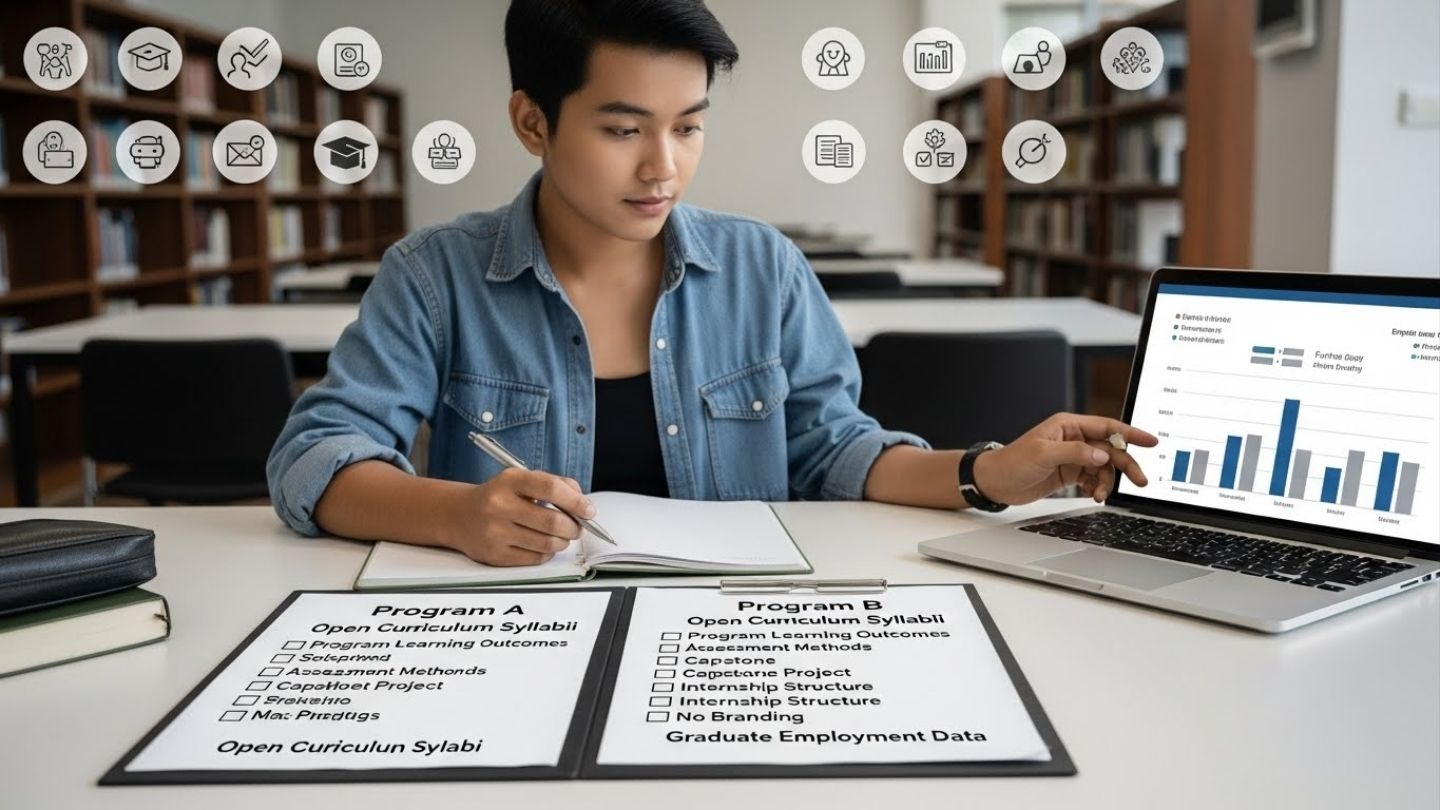
Traditional rote learning is not enough to understand the broad college curriculum effectively. Students need to apply higher-level learning strategies based on cognitive science.
Bloom’s Taxonomy and Higher-Order Thinking
The college evaluation system tests not only a student’s memory but also the ability to analyze and evaluate. According to Bloom’s Taxonomy, learning has different stages. College students should move beyond lower-level learning, such as remembering and understanding, and place greater emphasis on higher-level learning, such as analyzing, evaluating, and creating.
-
Analyzing: Breaking down any theory or case study into smaller parts and understanding the internal relationship among those parts.
-
Evaluating: Comparing the arguments of different authors or researchers and drawing conclusions based on evidence.
-
Creating: Using learned theories to develop a new project, model, or research paper.
The Feynman Technique
The Feynman Technique is considered highly effective for understanding complex concepts in subjects such as engineering, medicine, or philosophy. In this method, students try to explain any difficult topic they have studied in very simple language, as if they were teaching it to a beginner or a child. At the point where the explanation becomes difficult, they realize their understanding is incomplete and return to study again. This strengthens the core foundation of the subject.
Effective Reading of Academic Papers
In addition to textbooks, college students are required to read journal articles. Reading such articles from beginning to end as if they were novels is not effective. Researchers often recommend reading the abstract, introduction, and conclusion first. This helps students understand the main purpose and findings of the research.
Only after that should they move into the methodology and discussion sections. This saves time and makes it easier to grasp the central content.
Curriculum Management and Career Pathways
College learning directly influences future employment or professional pathways. Therefore, students should approach subject selection and study direction strategically.
Selection of Major and Minor Subjects
At the Bachelor’s degree level, students get the opportunity to choose their main field of study, or major, and a supporting field, or minor. This choice should be based on personal interest and future career goals.
For example, a student majoring in Business Administration may choose Data Analytics or Psychology as a minor subject. This kind of interdisciplinary knowledge makes a student more versatile in the professional field. In the corporate world, people who can combine management knowledge with data analysis are always valued highly.
Bridging Theory with Research
In the final years of college, learning should be directed more toward research. A thesis or dissertation is an important part of college learning. Students should identify real-world problems in their field and conduct research on them.
This helps them develop as specialists in the relevant area and prepares a strong foundation for future Master’s or Ph.D. study.
Applied Skills, Internships, and Portfolio Building
College learning should not remain limited to the classroom and library. Academic degrees cannot be fully useful unless theory is translated into practice.
Practicums and Fieldwork
Different academic fields have their own standards for practical learning.
-
Science and Technology (STEM): Technical students should spend sufficient time in labs and workshops. Direct involvement in tasks such as coding, circuit design, or chemical testing is essential.
-
Humanities and Social Sciences: Students of sociology or social work should carry out direct fieldwork in communities. Data collection, interviews, and social surveys complete their practical learning.
-
Health Sciences: For students in nursing or medicine, clinical rotations are the main basis of learning, where they learn direct patient care under the supervision of experienced specialists.
Professional Portfolio Building
In the modern professional world, a college marksheet alone is not enough. Students should begin building a professional portfolio from the early days of college life.
A portfolio may include projects completed during college, research papers, published articles, and designs. IT students may keep their code on platforms like GitHub, while students in arts or media may create digital collections of their videos, designs, or writing. Students looking to organize this work can explore how to build a college portfolio.
However, while building a portfolio, ethical standards must be followed, and no institution’s proprietary information or a client’s sensitive data should be included.
Internships and Networking
Doing an internship in the final year of college or during semester breaks is an integral part of effective learning. Internships provide opportunities to learn corporate culture, workplace communication, and teamwork.
In addition, participating in seminars, workshops, and guest lectures, and networking with experts in one’s field, is highly beneficial for future career pathways.
Academic Integrity and Professional Ethics
At the college level, not only a student’s intellectual ability but also academic integrity is strictly tested. Learning without ethics can seriously affect professional life.
Plagiarism and Citation Standards

When preparing college assignments, project reports, or research papers, presenting another person’s ideas, words, or data as one’s own without acknowledgment is an academic offense. This is known as plagiarism.
According to the principles of effective learning, students must learn to respect their sources of information. Knowing how to use referencing styles such as APA, MLA, Chicago, or IEEE correctly, according to the standards of the university or journal, is a necessary part of college learning. Instead of copying someone else’s writing word for word, students should read it, understand it, paraphrase it in their own words, and give proper citation. Students who want a clearer foundation can review the basics of citations and references.
Research Ethics and Responsible Use of Technology
When conducting primary research, taking informed consent from respondents and maintaining the confidentiality of their personal information are part of research ethics.
Likewise, the use of AI tools is becoming common in college learning today. Students may use AI as a supportive tool for brainstorming, improving grammar, or understanding summaries of complex topics. However, using AI to directly write essays or research papers is considered academic dishonesty. Only the proper and ethical use of technology makes learning effective.
Time Management and Utilization of University Resources
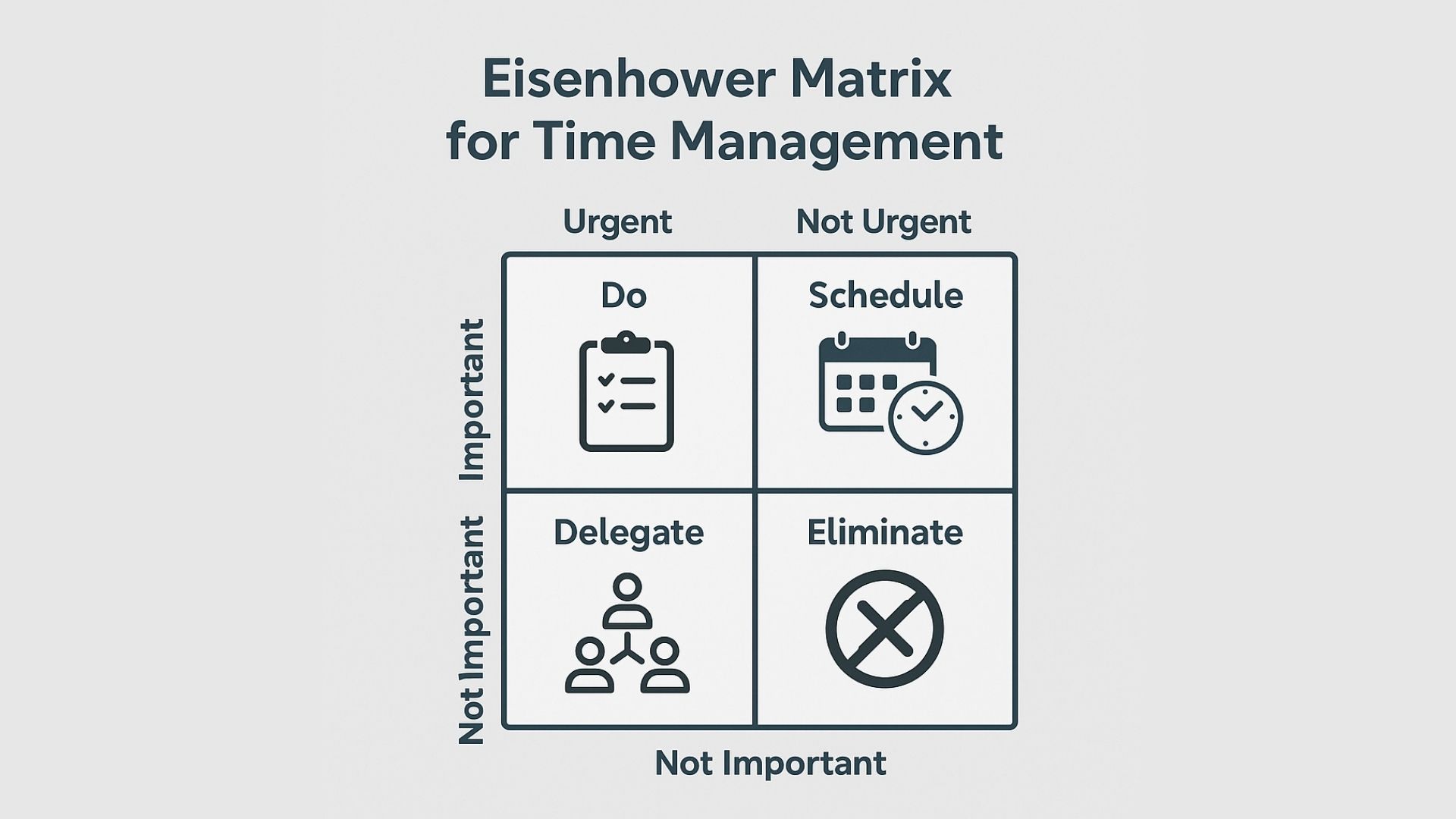
Maintaining balance among academic study, extracurricular activities, and personal life is a major challenge in college. Excellent time management is essential for effective learning.
Prioritization and Structuring Study
Students can use methods such as time blocking or the Eisenhower Matrix for time management. Tasks should be prioritized based on which assignment deadline is closer and which subject requires greater effort.
Good results do not come simply from studying continuously for long periods. By using methods such as the Pomodoro Technique and taking short breaks in between, students can maintain concentration. To strengthen concentration further, students can also develop habits around focus and deep work. College students should avoid the habit of cramming the night before an exam and instead develop regular study habits from the start of the semester.
Academic Counseling and Resource Utilization
Universities provide various resources to support student learning, and making the best use of them is in the student’s interest.
-
Library and Digital Archives: The college library and the online databases available through it, such as JSTOR, ResearchGate, and PubMed, are major sources for research.
-
Professor’s Office Hours: Students should make use of professors’ designated office hours to ask about concepts they did not understand in class or to seek advice on their career.
-
Writing Centers and Tutoring: Many colleges have centers that help with research writing or provide tutoring in difficult subjects. Using these services can significantly improve academic performance.
Health, Mental Well-Being, and Learning Balance

The academic pressure of college can deeply affect students’ mental health. Effective learning is possible only when students are physically and mentally healthy.
Stress from deadlines and exam anxiety is common among college students. Adequate sleep, a balanced diet, and regular exercise improve brain function. To avoid the stress of constant study, students should engage in college clubs, sports, or social activities. If they feel severe mental stress due to academic or personal reasons, they should not hesitate to seek support from the counseling services available at the university.
Practical Guidance for Students

College learning is a marathon, not a sprint. To succeed at this stage, students should not focus only on achieving good grades, but also on overall professional development.
To make their learning process effective, students should maintain balance among classroom lectures, independent study, and practical application. Setting clear academic goals at the beginning of each semester and making a regular action plan to achieve them increases the likelihood of success.
Along with gaining theoretical knowledge, students should place equal importance on developing soft skills such as communication, problem-solving, and adaptability. Every assignment, project, and internship in college should be treated as a step toward future career building.
Conclusion
The main mark of a successful college student is the responsible use of the autonomy and flexibility provided by college life, while always keeping academic ethics and integrity at the center. Since the rules and evaluation systems of different educational institutions may vary, students should remain up to date with their own college’s curriculum and policies.





Comments 0
No comments yet. Be the first to start the conversation.