



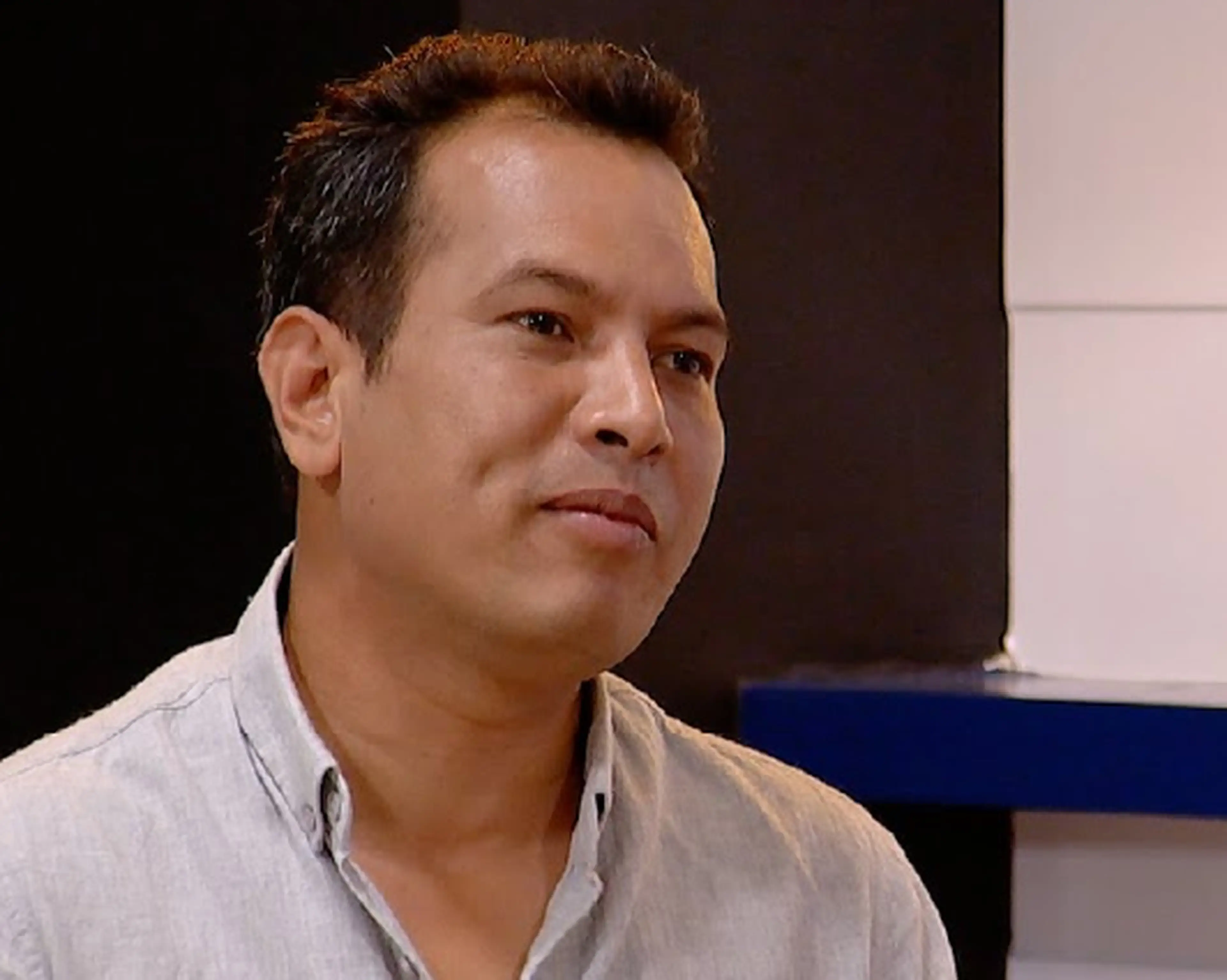
Buddhisagar is a contemporary Nepali novelist, poet, and former journalist. His real name is Buddhi Ram Chapain. He began his literary career with poetry and journalism before gaining widespread recognition among readers of Nepali fiction following the publication of his debut novel, Karnali Blues, in 2067 BS (2010 AD).
Life in western Nepal, childhood memories, family relationships, friendship, and human emotions are central themes in his writing. His literary work is particularly known for its use of regional language, detailed descriptions, and narrative structures built around memories.
Karnali Blues, Phirphire, and Eklo are his published novels. His other works include the poetry collection Buddhisagarka Kavita and the memoir collection Usle Diyeko Umer. His debut novel, Karnali Blues, has also been translated into English and published by Penguin Random House India.
Buddhisagar: Quick Facts
|
Details |
Information |
|---|---|
|
Real Name |
Buddhi Ram Chapain |
|
Pen Name |
Buddhisagar |
|
Birthplace |
Kailali District, Nepal |
|
Childhood and Adolescence |
Kailali and Kalikot |
|
Nationality |
Nepali |
|
Fields of Study |
Journalism and English Literature |
|
Profession |
Writer and former journalist |
|
Literary Genres |
Novels, poetry, and memoirs |
|
Major Novels |
Karnali Blues, Phirphire, Eklo |
|
Poetry Collection |
Buddhisagarka Kavita |
|
Memoir Collection |
Usle Diyeko Umer |
|
Major Awards |
First place at the National Poetry Festival (2060 BS); National Talent Award (2066 BS) |
|
International Literary Participation |
International Writing Program, University of Iowa (2019) |
Information about Buddhisagar's birthplace, literary achievements, and major publications is based on publisher records, literary interviews, and published sources.
Birth, Early Life, and Family Background
Buddhisagar was born in Kailali District, Nepal. He spent his early childhood in Kailali and a significant part of his adolescence in Manma, Kalikot District, in Karnali Province.
In a 2016 interview with The Kathmandu Post, he explained that he grew up in Kailali until the seventh grade. His family subsequently moved to Kalikot because of his father's work. According to the interview, the experience of leaving his old friends behind and spending time alone in a new place encouraged him to develop an interest in writing.
He enjoyed reading books from an early age, particularly illustrated stories, mystery fiction, and literary works. He also began writing poetry while attending school. In interviews, he recalled sending poems he had written as early as grades six or seven to Radio Nepal.
His familiarity with the different geographical and social settings of Kailali and Kalikot is reflected in his literary writing. Regional speech, rural communities, family relationships, and childhood experiences appear repeatedly in his novels.
Karnali Blues, in particular, draws upon the settings of Kailali and Kalikot. Phirphire also explores subjects associated with rural life in western Nepal and childhood experiences. Buddhisagar has explained that his emotional attachment to the places where he grew up influenced his choice of literary settings.
However, the events and characters in his novels should not all be interpreted as direct accounts of his personal life. His fiction combines experiences drawn from reality with literary imagination.
Education and Journalism Career
After completing his school-level education, Buddhisagar pursued higher education in Kathmandu. He studied journalism and English literature.
Before becoming a full-time literary writer, he worked as a journalist. He was associated with Naya Patrika and Nagarik daily newspapers. During this period, he continued his creative writing alongside news and feature reporting.
Even while working in journalism, he was preparing to write a novel. In a 2022 interview with The Record, he explained that he used the time available outside his regular employment to work on Karnali Blues.
His journalism career gave him opportunities to observe different people, events, and social circumstances closely. His ability to portray personal experiences through detailed observation, scenes, and dialogue is also evident in his fictional writing.
Following the publication of Karnali Blues in 2010, Buddhisagar gradually shifted his attention toward full-time literary writing. Published accounts indicate that income from book sales helped him leave regular journalism and concentrate on writing.
Beginning of His Literary Career Through Poetry
Buddhisagar began his literary career as a poet. Before gaining recognition as a novelist, he was already active in Nepali poetry and literary activities.
He started writing poems during his school years and sent some of his compositions to Radio Nepal. His poetry subsequently reached readers and listeners through various literary platforms.
His poems explore personal experiences, family relationships, rural settings, and everyday life. They also reflect his ability to present ordinary events and experiences through emotional and visual expression.
First Place at the National Poetry Festival
In 2060 BS, Buddhisagar secured first place at the National Poetry Festival organized by the then Royal Nepal Academy.
The official records of the Nepal Academy identify "Buddhisagar Chapain" as the first-place winner that year. This achievement helped establish his national recognition as a poet before the publication of his debut novel.
Buddhisagarka Kavita: Poetry Collection
Buddhisagarka Kavita is Buddhisagar's published poetry collection. Published by FinePrint, the book brings together his poems.
According to the Madan Puraskar Library's records, the collection had its second printing in Poush 2067 BS. This confirms that his poetry collection was available in book form by the time Karnali Blues was published.
Major Published Works of Buddhisagar
Buddhisagar's major published books span novels, poetry, and memoirs.
|
Book |
Literary Genre |
Publication Details |
|---|---|---|
|
Buddhisagarka Kavita |
Poetry collection |
Second printing: Poush 2067 BS; FinePrint |
|
Karnali Blues |
Novel |
2067 BS (2010 AD); FinePrint |
|
Phirphire |
Novel |
2072 BS (2016 AD); FinePrint |
|
Eklo |
Novel |
2079 BS (2022 AD); FinePrint |
|
Usle Diyeko Umer |
Memoir collection |
2080 BS (2023 AD); FinePrint |
For the poetry collection, the table records the confirmed date of its second printing rather than an unverified first-publication year. The publication years of the other works are based on their book details and contemporary publication reports.
Major Novels: Stories and Themes
Karnali Blues (2067 BS)
Karnali Blues is Buddhisagar's debut novel. Published in 2010, the book primarily explores the relationship between a father and his son, along with memories of childhood.
The story follows Brish Bahadur, who recalls events from his past while dealing with the illness of his father, Harsha Bahadur. The narrative develops through the son's memories as he cares for his ailing father.
The novel is structured around eleven days. It connects the family's present circumstances with events from the past, gradually revealing the experiences that shaped their relationships.
Set against the backgrounds of Kailali and Kalikot, the novel explores family struggles, financial difficulties, and social change. One of its central emotional themes is the changing way a son understands his father as he grows older.
Buddhisagar incorporates small incidents from rural life, everyday family interactions, and regional speech into the narrative. These elements connect the characters to the social and geographical settings in which they live.
Three aspects are particularly important when examining Karnali Blues as a literary work: the father-son relationship, its memory-based narrative structure, and its portrayal of society in western Nepal.
Through childhood experiences, the novel explores the complexities of family relationships and the ways people's perspectives change over time.
Phirphire (2072 BS)
Phirphire is Buddhisagar's second published novel. The book was officially launched in Kathmandu on January 23, 2016.
The story centers on the friendship between two childhood companions, Pawan and Basanta. Their early experiences, changes in their relationship, and various incidents within rural society shape the narrative.
In the novel, Basanta returns to his village after a long absence. During his return, he recalls his childhood, old friends, and events from the past. These memories form the basis of the narrative surrounding his friendship with Pawan.
Alongside friendship, Phirphire portrays superstitious beliefs in rural communities and their effects on people's lives. Social beliefs, childhood experiences, and personal relationships are central themes.
Juthi Amai is another important character. Through her story, the novel addresses accusations of witchcraft and the mistreatment associated with such beliefs.
In a 2016 interview, Buddhisagar explained that he wanted to portray childhood friendship and the effects of superstitions existing within society.
The relationship between memory and the present is also significant in Phirphire. The novel examines how relationships formed during childhood can continue to influence people later in life.
Eklo (2079 BS)
Eklo is Buddhisagar's third published novel. Released in Mangsir 2079 BS, the book shifts away from the predominantly rural settings of his earlier novels and focuses on urban life.
The central character is Shree. The story develops through his experiences as he moves through life in Kathmandu, carrying different expectations about his future.
Other characters associated with Shree have their own dreams, problems, and personal circumstances. Their relationships and individual struggles reveal various aspects of urban society.
The novel gives particular attention to life within Kathmandu's Ring Road area. Its major themes include the search for opportunities in the city, personal ambitions, economic and social struggles, and the loneliness people may experience even when surrounded by crowds.
While Karnali Blues and Phirphire primarily explore rural society and childhood memories, Eklo uses the experiences of urban residents as its narrative foundation.
The novel therefore represents an expansion of the subjects and settings explored in Buddhisagar's fiction.
Usle Diyeko Umer: Memoir Collection
Usle Diyeko Umer is a collection of memoirs by Buddhisagar. It was published by FinePrint in Asoj 2080 BS.
The book contains memories connected to the author's personal experiences and different stages of his life. Buddhisagar presents these recollections as accounts drawn from his own life.
According to Onlinekhabar, citing information from the publisher, the book contains 14 memoirs.
Memoir writing generally presents events a person has experienced, the emotions associated with those events, and the perspectives formed through the passage of time. Usle Diyeko Umer follows this form of personal writing.
Unlike his novels, which feature fictional characters and narratives, this collection gives priority to the author's personal experiences.
With the publication of Usle Diyeko Umer, Buddhisagar's published literary work expanded beyond novels and poetry to include memoirs.
English Translation of Karnali Blues
Buddhisagar's debut novel, Karnali Blues, was translated into English by Michael Hutt. The translated book was published under the same title by Penguin Random House India.
Michael Hutt is a scholar of Nepali language, literature, and Himalayan studies. He taught Nepali and Himalayan studies for many years at SOAS, University of London, in the United Kingdom.
Publication records for the English edition have been available since 2021. According to Penguin Random House India's official book details, the paperback edition was published in February 2022.
The English translation retains the novel's central themes, including the father-son relationship, childhood experiences, family struggles, and rural life in western Nepal.
Originally written for Nepali-language readers, the novel became accessible to English-language readers through its translation.
Translating Nepali literary works that contain distinctive regional languages and cultural references is an important literary undertaking. The English translation of Karnali Blues can be understood in this broader literary context.
Buddhisagar's Writing Style and Literary Characteristics
Buddhisagar's writing is characterized by memory-driven narratives, regional settings, family relationships, and detailed descriptions. Although the subjects of his novels differ, these literary features appear in various forms across his work.
Memory-Based Narrative Structure
Buddhisagar frequently uses past events and memories to develop stories connected to the present.
In Karnali Blues, a son caring for his sick father recalls experiences from his childhood. In Phirphire, a character returning to his village remembers old friends and events from the past.
In both novels, memory serves as a major means of advancing the narrative.
This storytelling approach moves between present circumstances and past experiences, gradually revealing information about the characters' lives and relationships.
Regional Language and Local Settings
The language and everyday life of western Nepal are important features of Buddhisagar's writing.
Karnali Blues incorporates the social and geographical settings of Kailali and Kalikot. Similarly, Phirphire portrays the speech patterns and social practices of rural communities.
The use of regional language helps connect characters to their social backgrounds.
Language in these novels therefore does more than convey dialogue. It also helps establish the characters' identities and the settings in which their stories unfold.
Portrayal of Family and Human Relationships
Different forms of human relationships occupy a central place in Buddhisagar's major novels.
Karnali Blues focuses on the relationship between a father and his son. Phirphire explores childhood friendship and the effects of social practices. Eklo portrays personal ambitions, struggles, and loneliness associated with urban life.
The lives of the characters in these works are shaped not only by external events but also by their emotions, expectations, and relationships with others.
Detailed and Visual Descriptions
Buddhisagar's novels contain detailed descriptions of places, characters, and incidents from everyday life.
He uses character behavior, dialogue, social surroundings, and seemingly ordinary events to establish the atmosphere of his stories.
Such descriptions help readers form a clearer picture of the places and people portrayed in the narratives.
The extensive descriptive passages and numerous recollections found in his writing also provide material for literary criticism. When studying his novels, readers can therefore consider the relationship between descriptive detail and narrative pace alongside the development of the story.
Awards, Honors, and International Literary Participation
Buddhisagar has received recognition for his poetry and literary writing. He has also participated in international literary programs.
National Poetry Festival, 2060 BS
In 2060 BS, Buddhisagar secured first place at the National Poetry Festival organized by the then Royal Nepal Academy.
The Nepal Academy's official records identify him among the writers who received first place that year.
National Talent Award, 2066 BS
Buddhisagar received the National Talent Award from the Government of Nepal in 2066 BS.
Published reports, including those in Gorkhapatra, mention his receipt of this honor.
International Writing Program, 2019
In 2019, Buddhisagar participated in the International Writing Program at the University of Iowa in the United States.
The university's official records list him as a Nepali writer participating in its 2019 program.
The International Writing Program brings together writers from different countries to exchange literary experiences and ideas related to creative writing.
Buddhisagar's Contribution to Contemporary Nepali Literature
Buddhisagar's literary contribution can primarily be examined through his treatment of memory, regional life, and human relationships in Nepali fiction.
Beginning with poetry and journalism, he gradually expanded his writing into novels and memoirs. His published works also demonstrate changes in his choice of subjects and narrative settings.
Karnali Blues focuses on rural communities in western Nepal and family relationships. Phirphire explores friendship, childhood memories, and social superstitions. Eklo addresses urban life and personal loneliness.
Together, these works show how his literary interests have expanded from rural experiences to the complexities of city life.
Another important aspect of his contribution is his portrayal of local communities and regional language in fiction. The social life of western Nepal, its people, and their everyday speech form important narrative elements in his novels.
His use of memory-based storytelling, portrayal of human relationships, and attention to setting are particularly relevant when studying his literary works.
The English translation of Karnali Blues has also introduced his writing to readers beyond the Nepali-language audience.
Conclusion
Buddhisagar began his literary career with poetry and journalism before expanding into novels and memoirs. His major novels are Karnali Blues, Phirphire, and Eklo. These works focus respectively on family relationships, childhood friendship, and urban loneliness.
Life in western Nepal, regional language, memory-based storytelling, and the portrayal of human relationships are notable characteristics of his writing. Through Usle Diyeko Umer, he also incorporated memoir writing based on personal experiences into his published literary work.
The English translation of Karnali Blues has made his fiction accessible to readers beyond the Nepali-language audience. Overall, Buddhisagar's works provide material for examining the literary presentation of memory, social settings, and human relationships in contemporary Nepali literature.
References
1. Nepal Academy. Official records of the National Poetry Festival and award-winning writers. Nepal Academy.
2. Madan Puraskar Library. Bibliographic record concerning the second printing of Buddhisagarka Kavita. Madan Puraskar Library Catalogue.
3. Penguin Random House India. Karnali Blues, Buddhisagar; translated by Michael Hutt.
4. University of Iowa, International Writing Program. Buddhisagar: 2019 Resident.
5. The Kathmandu Post. A Writer Always Needs to Be a Good Reader, November 10, 2022.
6. The Kathmandu Post. The Skilful Storyteller, March 7, 2016.
7. The Kathmandu Post. Firfire Swirls In, January 24, 2016.
8. The Record. Sajeet M. Rajbhandari, Surviving on Storytelling, June 23, 2022.
9. Onlinekhabar. Buddhisagar's New Book Usle Diyeko Umer, Asoj 21, 2080 BS.
10. Gorkhapatra Online. Buddhisagar's Novel Eklo Released.





Comments 0
No comments yet. Be the first to start the conversation.