The Bachelor of Public Health (BPH) at Kathmandu Multiple College is a four-year undergraduate health sciences program divided into eight semesters. The program is affiliated with Purbanchal University and follows the curriculum of its Faculty of Medical and Allied Sciences.
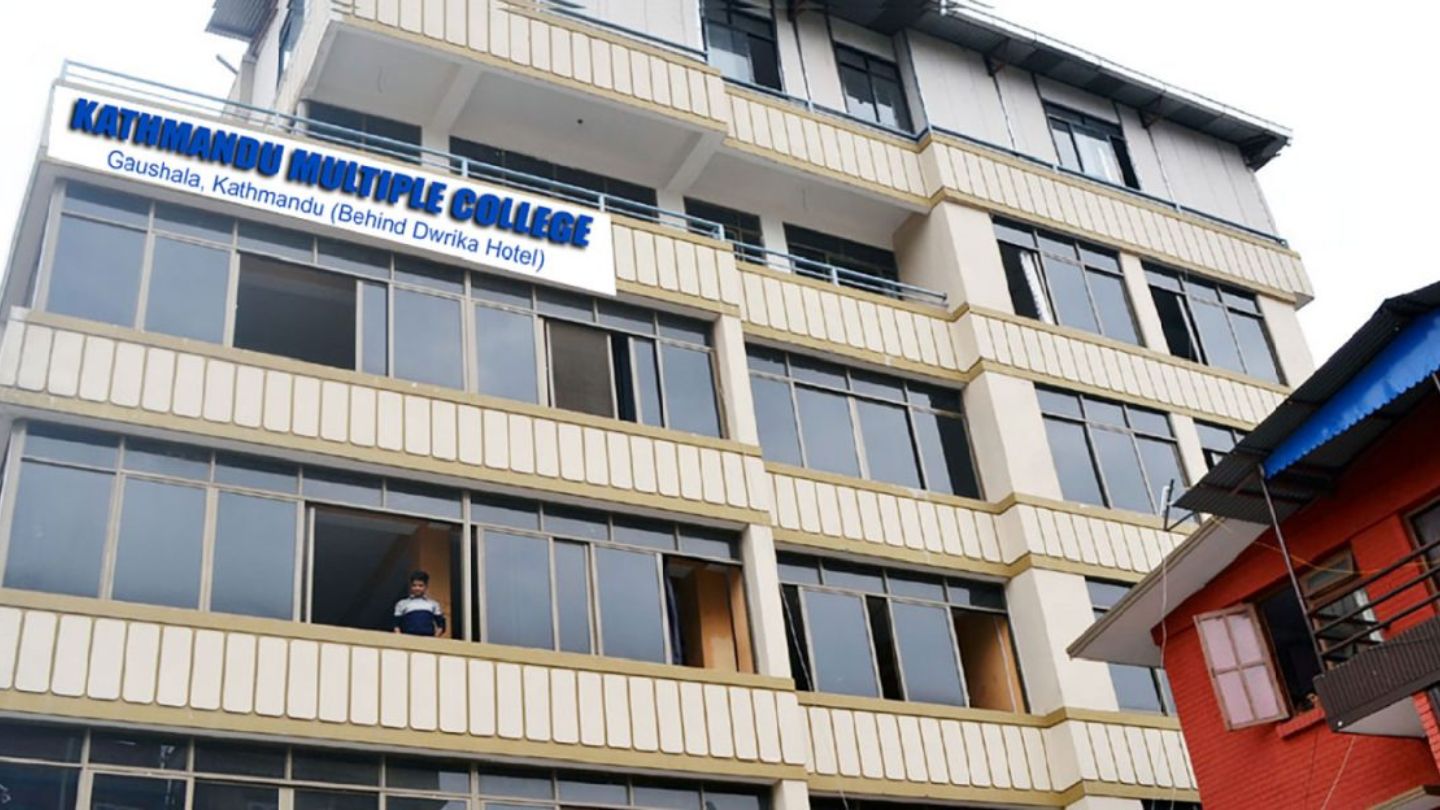
Kathmandu Multiple College, formerly Karnali College of Health Sciences (KCHeS), has offered undergraduate education in public health and pharmacy since its establishment in 2007 AD. The college is located in Gaushala, Kathmandu.
BPH focuses on the health of populations and communities. Students study disease prevention, epidemiology, environmental health, nutrition, family health, health education, health systems, statistics, research, community programs, and public health management. The curriculum combines academic study with laboratory, classroom, community, and residential field-based practice.
| Particular | Details |
|---|---|
| Course | Bachelor of Public Health (BPH) |
| College | Kathmandu Multiple College |
| Affiliation | Purbanchal University |
| Level | Bachelor's Degree |
| Duration | 4 Years |
| Academic Structure | 8 Semesters |
| Location | Gaushala, Kathmandu |
Purbanchal University's revised BPH curriculum was issued in 2019 and is organized across eight semesters. It moves from foundational health sciences and introductory public health into epidemiology, community health, environmental and occupational health, health promotion, public health management, statistics, research, and field practice.
Applicants to the BPH program at Kathmandu Multiple College may come from the following academic backgrounds:
Proficiency Certificate in Health Sciences from a recognized institution
Intermediate Science with Biology from a recognized institution
10+2 Science with second division, 2.4 GPA, or 50 percent in +2
A pass in the applicable entrance examination
Admission to BPH falls under Nepal's medical education admission system. Bachelor-level medical education admission is based on MECEE-BL and follows the prevailing rules, scholarship provisions, seat allocation, fee structure, admission procedures, and calendar determined by the Medical Education Commission (MEC), Nepal.
Seat numbers, fees, scholarship arrangements, and admission procedures can change between admission cycles according to MEC decisions. The rules applicable to the relevant admission year therefore govern admission.
The first semester establishes a base in public health and health sciences through Introduction to Public Health, Anatomy, Physiology and Patho-physiology, Public Health Microbiology, Public Health Biochemistry, and Applied Professional English. Laboratory-based practice is included with several of these subjects.
The second and third semesters move into Public Health Entomology and Rodentology, Public Health Pharmacy, Pharmacology and Toxicology, First Aid and Safety, Basic Foods and Nutrition, Ecosystem and Environmental Health, communicable disease epidemiology, family health, public health nutrition, environmental and occupational health, demography, population studies, and family planning. Laboratory and field-based components continue alongside theory.
Middle semesters include Reproductive Health and Gender, Epidemiology of Non-communicable Diseases and Mental Health, Public Health Epidemiology Methods, Sociology, Anthropology and Social Psychology in Public Health, Rural, Urban and International Health, Public Health Statistics and Computer Application, Community Organization, Public Health Infrastructure Engineering and Disaster Management, Health Education, and Public Health Service Management.
Later study places greater attention on applied public health work. Subjects include Applied Health Education and Promotion, Public Health and Medical Services in Nepal, Public Health Policy, Plan and Program in Nepal, Community Health Diagnosis and Intervention, Public Health Research, Health Program Supervision, Monitoring and Evaluation, Health Economics and Financing, and Health Management Information System and Logistic Management.
The eighth semester includes Education and Training of Human Resource, Public Health Profession and Entrepreneurship, Public Health Project Management, training program conduction, project proposal writing, and Public Health Research Practicum.
BPH is not limited to classroom instruction. The curriculum contains laboratory-based practice, field-based practice, concurrent field-based practice, classroom-based practice, residential field-based practice, research proposal writing, and a final public health research practicum.
Examples include Community Health Diagnosis and Intervention with Residential Field Based Practice in the sixth semester and Comprehensive Public Health Management Field Practicum in the seventh semester. Students also complete Public Health Research proposal work before the research practicum in the final semester.
Kathmandu Multiple College also has research-related academic activities in health sciences, including epidemiological training and social and health-system research. Its facilities for health sciences education include library, computer, clinical, and practical learning resources.
The combination of coursework and practical activity can develop abilities related to:
Public health assessment and community health work
Epidemiological thinking and disease-related analysis
Health education and promotion
Public health statistics and computer application
Community organization and participation
Environmental and occupational health
Health program planning and management
Monitoring and evaluation
Public health research and proposal preparation
Health information and logistics management
These areas reflect subjects and practical components distributed across the eight-semester curriculum.
BPH graduates may pursue work connected with public health programs, research, epidemiology, health education, environmental health, health management, monitoring and evaluation, community health, health promotion, and related public health services.
Possible workplaces include public-sector health services, private health organizations, NGOs and INGOs, research settings, educational institutions, and organizations running community or population-health programs. Specific appointments depend on recruitment criteria, professional registration, experience, and the requirements of the employing organization.
BPH is also an accepted academic background for Purbanchal University's Master of Public Health in Public Health Service Management and Health Promotion and Education, subject to the applicable postgraduate entry requirements.
BPH graduates entering regulated professional practice must follow the requirements applicable through the Nepal Health Professional Council (NHPC).
Completion of the BPH degree and professional entry are separate stages where council registration or a licensing examination applies. Students should follow the professional council rules in force after graduation.
At Kathmandu Multiple College, the BPH program sits within an institutional focus on public health and pharmacy education. The college's health sciences setting includes research activity, library and computer resources, and facilities related to practical health education.
Students considering BPH should be prepared for a four-year course that moves between biological and social aspects of health, epidemiology, community practice, statistics, health systems, research, program management, and substantial field-based learning. The program is most directly aligned with students seeking academic and professional preparation in population and community health rather than individual clinical treatment.
More institutional information is available on the Kathmandu Multiple College page.