Bachelor in Computer Engineering at Khwopa Engineering College is a four-year bachelor's program under the Faculty of Engineering. KhEC is located at Libali, Bhaktapur-8, Nepal, and the program is affiliated with Purbanchal University.
The program has an enrollment capacity of 60 students. Its Purbanchal University curriculum, effective from the 2021 batch, runs across eight semesters and combines mathematics, physical science, programming, digital systems, electronics, computer architecture, operating systems, networking, software engineering, project work, electives, cyber security, and internship.
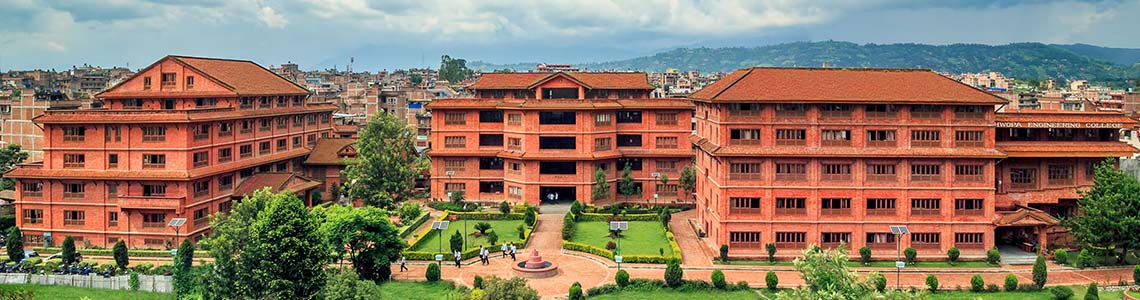
Course: Bachelor in Computer Engineering
Common Name: BE Computer
College: Khwopa Engineering College (KhEC)
Location: Libali, Bhaktapur-8, Nepal
Affiliation: Purbanchal University
Faculty: Faculty of Engineering
Level: Bachelor's
Duration: 4 years
Academic Structure: 8 semesters
Seats: 60
Curriculum: Purbanchal University course structure effective from 2021 batch
Total Fee for : NRs. 6,96,000
Admission: Purbanchal University entrance examination followed by the KhEC merit list and interview/aptitude test
Academic Components: Theory, tutorials, practical work, projects, electives, and internship
The first year builds the mathematical, scientific, programming, electrical, and digital foundation required for later computer engineering subjects. Mathematics-I, Physics, English for Technical Communication, Computer Programming, Fundamental of Computing Technology, Engineering Drawing, and Workshop Technology are taught in the first semester.
The second semester includes Mathematics-II, Chemistry, Object Oriented Programming with C++, Digital Logic, Basic Electrical Engineering, and Applied Mechanics.
From the third semester, the curriculum moves more directly into computer engineering. Students study Data Structure and Algorithm, Object Oriented Analysis and Design, Computer Graphics, Electronic Devices and Circuits, and Project I alongside Mathematics-III and Applied Sociology.
The fourth semester covers Database Management System, Python Programming, Discrete Structure, Microprocessor, Communication System, and Probability & Statistics.
| Semester | Subjects |
|---|---|
| I | Mathematics I; Physics; English for Technical Communication; Computer Programming; Fundamental of Computing Technology; Engineering Drawing; Workshop Technology |
| II | Mathematics-II; Chemistry; Object Oriented Programming with C++; Digital Logic; Basic Electrical Engineering; Applied Mechanics |
| III | Mathematics-III; Data Structure and Algorithm; Object Oriented Analysis and Design; Computer Graphics; Electronic Devices and Circuits; Applied Sociology; Project I |
| IV | Database Management System; Python Programming; Discrete Structure; Microprocessor; Communication System; Probability & Statistics |
| V | Algorithm Analysis and Design; Computer Architecture and Design; Numerical Methods; Operating System; Engineering Economics; Research Methodology; Project-II |
| VI | Artificial Intelligence; Computer Network; Internet of Things (IoT); Software Engineering; Theory of Computation; Elective-I |
| VII | Distributed & Cloud Computing; Information Technology Project Management; Simulation and Modeling; Elective-II; Elective-III; Project-III (Part A) |
| VIII | Cyber Security; Engineering Professional Practice; Elective-IV; Project-III (Part B); Internship |
The fifth semester brings together Algorithm Analysis and Design, Computer Architecture and Design, Numerical Methods, Operating System, Engineering Economics, Research Methodology, and Project-II.
In semester VI, students take Artificial Intelligence, Computer Network, Internet of Things (IoT), Software Engineering, Theory of Computation, and Elective-I.
The final year includes Distributed & Cloud Computing, Information Technology Project Management, Simulation and Modeling, Cyber Security, Engineering Professional Practice, multiple electives, the two-part Project-III, and an internship.
Project work appears at several stages of the curriculum. Project I is included in the third semester, Project-II in the fifth semester, and Project-III is divided between Part A in semester VII and Part B in semester VIII.
Many technical subjects also carry practical components. Programming, digital logic, computer graphics, databases, Python programming, microprocessors, operating systems, computer networks, and several other computing subjects include scheduled practical work alongside lectures and tutorials.
The eighth semester adds an internship together with Engineering Professional Practice, Cyber Security, an elective, and the final part of Project-III.
The curriculum provides four elective groups in the later semesters.
Elective-I options include Data Mining and Data Warehousing, Multimedia Technology, Distributed System, High Performance Computing, Machine Learning, Cryptography and Network Security, Mobile and Sensor Computing, and Unix Programming.
Elective-II includes Big Data Technologies, Real Time Operating System, Compiler Design, Java Programming, Deep Learning, Business Intelligence, and Human Computer Interaction.
Elective-III includes Advanced Database Programming, Fault Tolerant System, Software Security, Web Security, Quantum Computing, Augmented and Virtual Reality, and GIS.
Elective-IV includes Data Science, Next Generation Network, Computational Cognitive Science, Agile Software Development, Block Chain, Digital Solutions for Climate Change, and Automation and Robotics.
The Purbanchal University minimum eligibility criteria effective from the 2082-2083 intake cover Bachelor in Computer Engineering under the Faculty of Engineering.
For the 10+2 or equivalent route, applicants must have studied Mathematics, Physics, and Chemistry/Computer as prescribed subjects and meet the applicable minimum C-grade requirements.
Applicants from a three-year Engineering Diploma, NEB Technical 9-12, or equivalent route may qualify under the specified engineering pathway with a minimum 2.0 CGPA out of 4 or 45 percent and the applicable subject requirements.
A Level applicants must meet the prescribed Mathematics, Physics, and Chemistry/Computer requirements with a minimum D grade in the stated subjects. I.Sc. and percentage-based equivalent routes are also covered under the university criteria.
Eligible applicants for BE Computer must complete the Purbanchal University online entrance application and pass the university entrance examination.
KhEC prepares its merit list according to the entrance result published by Purbanchal University. Applicants included in the merit list attend an interview or aptitude test conducted by the college. Successful candidates can then proceed with admission according to seat availability.
The admission procedure provides around two to three days after the interview for selected applicants to submit the admission fee. Available seats are filled under the stated first-come-first-basis procedure.
The total fee for BE Computer at Khwopa Engineering College for is NRs. 6,96,000.
The stated fee excludes registration and examination charges levied by Purbanchal University and other applicable external institutions or bodies.
An admission deposit of NRs. 15,000 is collected at enrollment and is refundable only after successful completion of the course. Foreign students are charged an additional 50 percent of the total semester fees together with other applicable charges under Purbanchal University regulations.
BE Computer students admitted in are included in the KhEC scholarship provisions for BE, B.Arch., BIT, and BCA-IT programs.
Merit-based and reserved scholarships follow Purbanchal University scholarship policy. First-semester scholarships based on +2 academic performance range from 10 percent to 50 percent of the total semester fee, depending on the student's CGPA or percentage.
Eligible students who completed +2 from public, government, or community schools are covered by a 10 percent first-semester scholarship. Limited provisions also apply to economically disadvantaged students, single-parent students, differently-abled students, and students with notable achievements in national or international sports or competitions.
Only one scholarship applies to an individual student. When more than one category is applicable, the higher-value scholarship is awarded.
KhEC has a separate Computer Engineering Department. The wider college facilities include laboratories, a library with course and reference books, multipurpose halls, sports facilities, a cafeteria, and transportation services.
The college also operates a Research and Development Unit, while the BE Computer curriculum itself includes Research Methodology, several project courses, technical practical work, and an internship.
The Computer Engineering Department associates the field with areas such as robotics, game development, computer security, and web technologies. The available elective subjects also cover areas including information security, mobile computing, database programming, distributed processing, GIS, and e-commerce.
Yes. Bachelor in Computer Engineering at Khwopa Engineering College is affiliated with Purbanchal University and operates under the Faculty of Engineering.
The program has a duration of four years and follows an eight-semester academic structure.
The enrollment capacity is 60 students.
The total fee for is NRs. 6,96,000. Purbanchal University registration and examination fees and other applicable external charges are excluded.
Yes. Project I appears in semester III, Project-II in semester V, and Project-III is divided into Part A and Part B in semesters VII and VIII.
Yes. Internship is included in the eighth semester of the Purbanchal University course structure.
Yes. Applicants must pass the applicable Purbanchal University entrance examination. KhEC then follows its merit-list and interview/aptitude-test process.
Yes. The later semesters include four elective groups covering subjects such as Data Mining and Data Warehousing, Machine Learning, Cryptography and Network Security, Compiler Design, Java Programming, Cyber Security-related areas, Data Science, and Automation and Robotics.
Meta Title: BE Computer at Khwopa Engineering College: Fees & Admission
Meta Description: