



BE Electronics, Communication & Automation Engineering at Khwopa Engineering College is a four-year bachelor's program under the Faculty of Engineering. KhEC is located at Libali, Bhaktapur-8, Nepal, and is affiliated with Purbanchal University.
The program has an approved enrollment capacity of 80 students. Its academic scope covers electronic devices and circuits, analog and digital electronics, communication systems, microprocessors, instrumentation, signal processing, computer communication, networking, control-related study, and practical engineering work. Departmental facilities include laboratories for communication, digital electronics, electronic devices and circuits, electrical machines, instrumentation, microprocessors and microcontrollers, and power electronics.
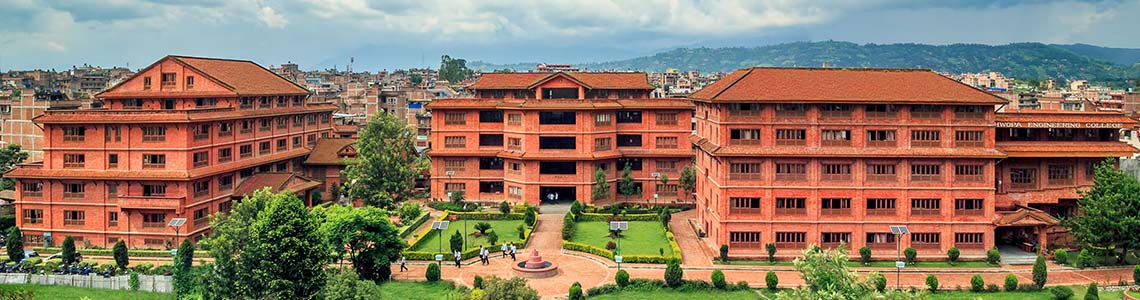
Course: BE Electronics, Communication & Automation Engineering
College: Khwopa Engineering College (KhEC)
Location: Libali, Bhaktapur-8, Nepal
Affiliation: Purbanchal University
Faculty: Faculty of Engineering
Level: Bachelor's
Duration: 4 years
Seats: 80
Total Fee: NRs. 4,96,000
Admission: Purbanchal University engineering entrance examination followed by the KhEC merit list and interview/aptitude test
Entrance Examination: 100 marks
Entrance Subjects: Mathematics, Physics, Chemistry, and English
Department: Electronics, Communication & Automation Engineering Department
Practical Resources: Communication, digital electronics, electronic devices and circuits, electrical machines, instrumentation, microprocessor and microcontroller, and power electronics laboratories
The program is built around electronics and communication engineering while extending into automation-related technical work through electronics, instrumentation, microprocessor and microcontroller systems, control applications, and practical projects.
Core academic areas include electronic devices, electronic circuits, analog and digital systems, transmission and reception of signals, communication equipment and systems, microprocessors, satellite communication, microwave engineering, antennas, signal processing, computer communication, networking, instrumentation, and control-related applications.
Programming and computer applications also form part of the technical study. Computer hardware interfacing, programming skills, and the application of computing to signal processing and communication are included within the broader electronics and communication course framework.
The combination of electronic hardware, communication technology, computing, instrumentation, and automation-related practical work gives the program a wider technical base than a course centered only on electronic circuit theory.
Electronics study addresses electronic devices and the circuits built from them. Students encounter the principles and performance of electronic devices together with the analysis and design of analog and digital circuits.
Communication engineering introduces systems used to transmit and receive information. The academic coverage includes analog and digital transmission, modulation techniques, communication equipment, wireless communication, satellite communication, optical communication, microwave engineering, antennas, and related signal transmission topics.
Signal and system concepts and digital signal processing also appear within the listed course areas. These topics connect electronic signals with their processing and use in communication systems.
Automation in the program is connected with the use of electronic systems, instrumentation, microprocessors, microcontrollers, control components, and practical engineering applications.
The Electronics, Communication & Automation Engineering Department maintains separate facilities for instrumentation, microprocessors and microcontrollers, electrical machines, and power electronics. The college also has a platform for robotics-related practical activity.
These facilities support work where electronic hardware interacts with measurement, control, computing, and automated systems. Practical learning is therefore not restricted to communication equipment or conventional electronic circuits.
Computing forms another part of the academic foundation. The course areas include computer communication and networking, programming, computer hardware interfacing, and the use of computers in signal processing and communication applications.
Microprocessors and microcontrollers provide a further connection between computing and electronics. Dedicated laboratory facilities support practical work in this area alongside digital electronics, instrumentation, communication, and power electronics.
The academic roots of the department at KhEC go back to 2003, when the Bachelor in Electronics and Communications Engineering program was structured within the combined Department of Computer and Electronics & Communication Engineering with approval from Purbanchal University.
In 2005, the combined structure was separated into the Department of Electronics and Communication Engineering and the Department of Computer Engineering. The present college structure includes an Electronics, Communication & Automation Engineering Department.
The department places emphasis on the design aspects of electronics and communication systems together with laboratory and practical work.
Departmental laboratories cover several areas directly connected with the program:
Communication Lab
Digital Electronics Lab
Electronics Devices and Circuit Lab
Electrical Machine Lab
Instrumentation Lab
Microprocessor and Microcontroller Lab
Power Electronics Lab
These laboratories support practical work alongside classroom study in electronic circuits, digital systems, communication, instrumentation, machines, processor-based systems, and power electronics.
KhEC also provides broader college facilities including a library with course and reference books, multipurpose halls, sports facilities, a cafeteria, and transportation services.
The department conducts field visits and educational excursions to industries as part of its practical approach to engineering education.
Guest lectures, technical exhibitions, and workshops are also included among departmental academic activities. The department has supported robotics-related activity and student participation in robotics competitions.
The combination of laboratories, field exposure, workshops, and technical activities provides several settings in which students can connect electronics and communication concepts with practical applications.
The Purbanchal University minimum eligibility criteria effective from the 2082-2083 intake cover BE Electronics, Communication and Automation Engineering under the Faculty of Engineering.
For the 10+2 or equivalent route, applicants must meet the prescribed requirements involving Mathematics, Physics, and Chemistry/Computer as 100-mark subjects and the applicable minimum C-grade conditions.
The eligibility framework also covers three-year Engineering Diploma, NEB Technical 9-12, or equivalent routes. For the applicable engineering diploma pathway, the minimum requirement is 2.0 CGPA out of 4 or 45 percent in the related academic program.
A Level applicants are covered through the prescribed Mathematics, Physics, and Chemistry/Computer subject requirements with the applicable minimum grades.
Applicants must pass the Purbanchal University Faculty of Engineering entrance examination before proceeding through the college admission process.
The bachelor's-level engineering entrance examination carries 100 marks:
| Subject | Marks |
|---|---|
| Mathematics | 40 |
| Physics | 30 |
| Chemistry | 20 |
| English | 10 |
The minimum passing requirement for the bachelor's-level entrance examination is 33 percent. BE Electronics, Communication and Automation Engineering is among the engineering programs covered by this entrance structure.
Eligible applicants begin by completing the Purbanchal University online entrance application and sitting for the university entrance examination.
Applicants must pass the entrance examination. KhEC then prepares its merit list according to the entrance result published by Purbanchal University.
Candidates included in the college merit list attend an interview or aptitude test. Successful candidates become eligible to complete admission according to the available seats.
After the interview, selected applicants are given around two to three days to submit the admission fee. Available seats are filled under the stated first-come-first-basis procedure.
The approved seat allocation for BE Electronics, Communication & Automation Engineering at Khwopa Engineering College is 80.
This distinguishes the current approved allocation from earlier departmental records, which referred to the original Electronics and Communications Engineering intake when the program was established under the earlier departmental structure.
The total fee for BE Electronics, Communication & Automation Engineering at Khwopa Engineering College for is NRs. 4,96,000.
The stated program fee excludes registration and examination fees charged by Purbanchal University and charges levied by other applicable external institutions or bodies.
An admission deposit of NRs. 15,000 is collected at enrollment. The deposit is refundable only after successful completion of the course.
Foreign students are charged an additional 50 percent of the total semester fees together with other applicable fees under Purbanchal University regulations.
Students admitted to BE Electronics, Communication & Automation Engineering in are included in KhEC's scholarship scheme for BE, B.Arch., BIT, and BCA-IT programs.
Merit-based and reserved scholarships follow Purbanchal University scholarship policy.
First-semester scholarships based on +2 academic performance are structured as follows:
50 percent of the total first-semester fee for a minimum CGPA of 3.90 out of 4.0 or 96 percent and above.
40 percent for CGPA 3.80 to 3.89 or 92 percent to below 96 percent.
30 percent for CGPA 3.60 to 3.79 or 84 percent to below 92 percent.
20 percent for CGPA 3.40 to 3.59 or 76 percent to below 84 percent.
10 percent for CGPA 3.20 to 3.39 or 68 percent to below 76 percent.
Students who completed +2 from a public, government, or community school are covered by a 10 percent scholarship on the total first-semester fee.
Community-school graduates are required to provide the specified certification issued by the Head of the Education Section of the respective local government, based on the recommendation of the Principal or Campus Chief.
Limited scholarship provisions also cover economically disadvantaged students, students from single-parent families, and differently-abled students, subject to supporting evidence and socioeconomic assessment. A separate category applies to students with notable achievements in national or international sports or competitions.
A student can receive only one scholarship. When more than one category applies, the higher-value scholarship is awarded.
KhEC has operated a Research and Development Unit since 2006. Its activities include faculty and student research, student projects, research-related training, seminars, workshops, and support for technical publication.
For Electronics, Communication & Automation Engineering students, the department's laboratories, technical workshops, field visits, robotics activities, and wider R&D environment provide several forms of practical academic engagement alongside the degree.
Students who cancel admission within 15 days from the commencement of classes are eligible for a refund of 100 percent of the semester fee only, excluding the deposit.
Cancellation after 15 days but within 30 days carries a refund of 50 percent of the semester fee, excluding the deposit. No refund is issued for cancellation after 30 days from the commencement of classes.
Students discontinuing their studies must formally withdraw from the college.
From subsequent semesters, once the semester fee or credit bill has been generated in the college ERP system, outstanding credit bills must be cleared before admission cancellation is processed. The admission deposit is not refunded in cases of cancellation or withdrawal.
Yes. The program is offered by Khwopa Engineering College under the Faculty of Engineering and is affiliated with Purbanchal University.
The program has a duration of four years.
The approved enrollment capacity is 80 students.
The total fee for is NRs. 4,96,000. Purbanchal University registration and examination fees and other applicable external charges are excluded.
Yes. Applicants must pass the Purbanchal University engineering entrance examination. KhEC then prepares a merit list according to the university entrance result and conducts an interview or aptitude test for listed candidates.
The 100-mark entrance examination includes Mathematics for 40 marks, Physics for 30 marks, Chemistry for 20 marks, and English for 10 marks. The stated bachelor's-level passing requirement is 33 percent.
Departmental facilities include Communication, Digital Electronics, Electronics Devices and Circuit, Electrical Machine, Instrumentation, Microprocessor and Microcontroller, and Power Electronics laboratories.
Yes. Departmental activities include industrial field visits, educational excursions, guest lectures, technical exhibitions, workshops, and robotics-related activities.
Yes. The scholarship provisions include Purbanchal University merit and reserved categories, first-semester scholarships based on +2 academic performance, eligible public or community-school graduates, limited disadvantaged-student provisions, and sports achievement scholarships.






