The Proficiency Certificate Level in Nursing (PCL Nursing) at Nepal Institute of Health Science (Stupa College) is a three-year technical nursing program affiliated with the Council for Technical Education and Vocational Training. The course prepares students for staff-nurse responsibilities through classroom study, hospital practice, community health work, and structured clinical experience.
The first year builds basic nursing and community health foundations, the second year concentrates on adult, elderly, and mental health nursing, and the third year moves into midwifery, child health, gynaecological nursing, leadership, and management.
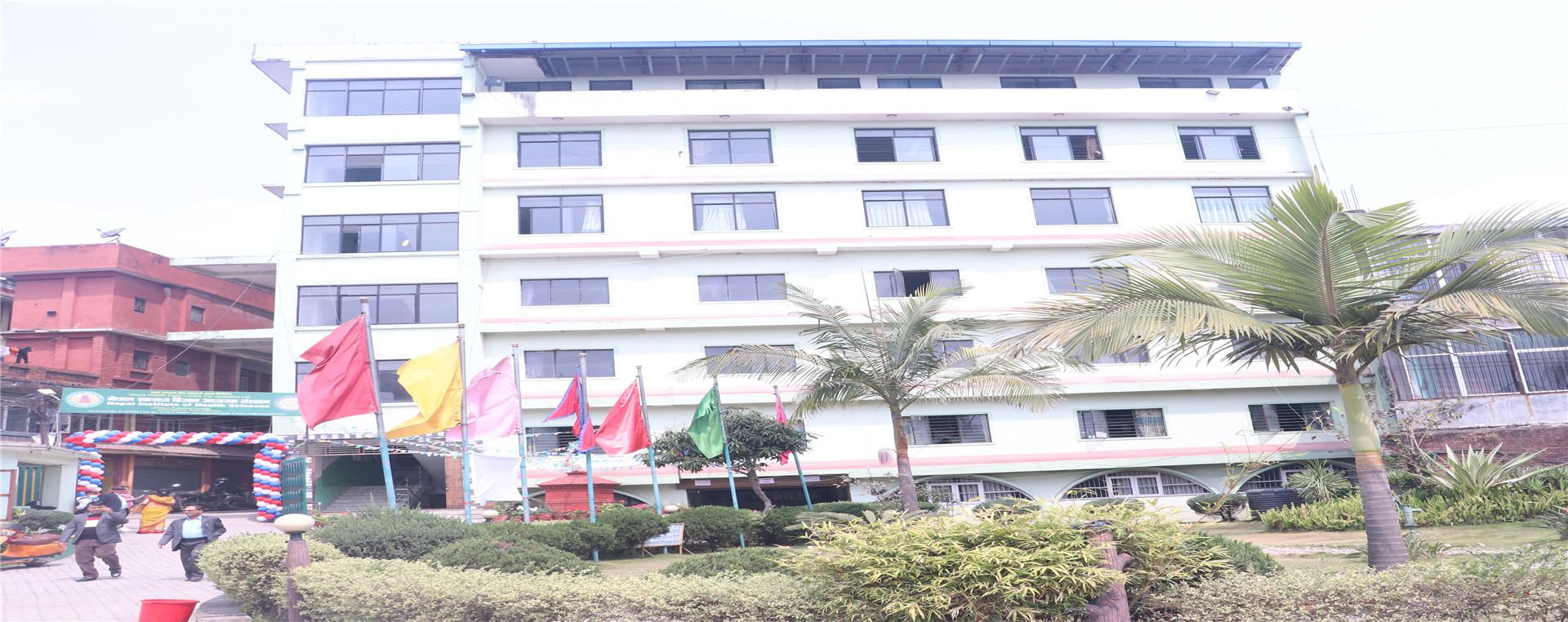
Course: Proficiency Certificate Level in Nursing (PCL Nursing)
Common Professional Reference: Staff Nurse
College: Nepal Institute of Health Science (Stupa College)
Location: Gokarneswor-05, Bouddha, Tushal, Pipalbot, Kathmandu
Affiliation: Council for Technical Education and Vocational Training (CTEVT)
Duration: 3 years
Academic System: Yearly system
Admission Entrance: CTEVT entrance examination
Main Learning Areas: Fundamental nursing, community health, medical-surgical nursing, mental health, geriatric nursing, midwifery, child health, gynaecological nursing, leadership, and management
Professional Requirement: Nepal Nursing Council licensing requirement after course completion
The CTEVT curriculum is organized as a three-year yearly program and combines theory with substantial practical and clinical hours.
PCL Nursing is designed around the work expected of middle-level nursing personnel in hospital and community settings. Its academic purpose covers preventive, promotive, curative, rehabilitative, and holistic nursing care for individuals, families, and communities.
Students move through nursing care in stages. Early study concentrates on fundamental nursing and community health. The second year deals more closely with adult medical and surgical care, elderly care, mental health, and community nursing. The final year is centred on maternal and child health, gynaecological nursing, and nursing leadership.
Eligibility: Candidates may enter through the SLC/SEE pathway with compulsory English, Mathematics, and Science, minimum C grade and an overall GPA of 2. An SLC third-division candidate with Auxiliary Nurse Midwife (ANM) qualification and 68.33 percent is also included in the stated admission criteria.
Candidates must pass the entrance examination conducted by CTEVT and meet the stated medical fitness requirement.
PCL Nursing is a CTEVT program. Its admission process therefore follows the CTEVT entrance system; MECEE-BL is not used for admission to this course.
The curriculum carries a strong practical component across all three years.
| Year | Main Areas of Study |
|---|---|
| First Year | Fundamental of Nursing, Community Health Nursing-I, Anatomy and Physiology, Basic Science Applied to Nursing, English, Nepali |
| Second Year | Medical and Surgical Nursing-I & II, Geriatric Nursing, Mental Health and Behavioural Nursing, Community Health Nursing-II, Social Science |
| Third Year | Midwifery Nursing-I, II & III, Gynaecology Nursing, Child Health Nursing, Leadership and Management |
First-year study includes 720 theory hours and 840 practical hours. Fundamental Nursing alone carries 630 practical hours, while Community Health Nursing-I includes 210 practical hours.
Second-year learning gives substantial time to Medical and Surgical Nursing, Community Health Nursing, Geriatric Nursing, and Mental Health and Behavioural Nursing, with clinical and field practice attached to these areas.
The third year includes 550 theory hours and 1,022 practical hours across midwifery, gynaecology, child health nursing, leadership, and management.
Practical nursing is built into the course from the first year. The first-year master plan includes 24 weeks of clinical and field learning in Fundamental Nursing and Community Health Nursing.
Third-year clinical work includes hospital and community practice in leadership and management, midwifery, child health, and gynaecological nursing. The curriculum assigns hospital, community, morning, evening, and night clinical exposure according to the subject.
At Stupa College, the wider practical environment includes hospital, health-facility, health-post, and community exposure connected with its health education programs.
Completing the academic course is followed by the professional licensing process. Graduates must pass the licensing examination of the Nepal Nursing Council before entering professional nursing practice under the applicable council requirements.
PCL Nursing graduates become eligible to proceed toward Nepal Nursing Council registration after completing the academic program.
After completing the course and meeting the nursing council licensing requirement, graduates may work in nursing roles in hospitals, nursing homes, primary health care settings, health posts, and other health institutions according to recruitment requirements and available positions.
The PCL Nursing qualification can also form the academic background for post-basic bachelor-level nursing study. Admission to a higher nursing program depends on the eligibility requirements of that program.
Address: Gokarneswor-05, Bouddha, Tushal, Pipalbot, Kathmandu
Phone: +977-1-4917557, +977-1-4917558, +977-1-4917720
Email: info@stupahealth.org.np
Website: www.stupahealth.org.np
PCL Nursing is a three-year program conducted under the yearly system of CTEVT.
The program is affiliated with the Council for Technical Education and Vocational Training (CTEVT).
No. PCL Nursing is a CTEVT program, and admission follows the CTEVT entrance examination process rather than MECEE-BL.
Yes. Candidates must pass the entrance examination conducted by CTEVT.
First-year study includes Fundamental of Nursing, Community Health Nursing-I, Anatomy and Physiology, Basic Science Applied to Nursing, English, and Nepali, together with extensive nursing and community practical work.
The third year covers Midwifery Nursing-I, II and III, Gynaecology Nursing, Child Health Nursing, and Leadership and Management, with extensive practical hours.
Yes. Clinical and community practice is incorporated throughout the course, beginning with Fundamental Nursing and Community Health Nursing and continuing into medical-surgical, maternal, child health, and management practice.
Yes. Graduates must complete the applicable Nepal Nursing Council licensing process before entering professional nursing practice.


.png)