The Bachelor of Public Health (BPH) at Nepal Institute of Health Science (Stupa College) is a four-year, eight-semester bachelor-level program affiliated with Purbanchal University. Its academic scope moves from basic health sciences to epidemiology, family and environmental health, health education, statistics, research, health policy, program management, and community-based public health practice.
The program combines theory with laboratory, classroom, concurrent field, and residential field-based practice. The course structure includes 41 theory courses and 27 practical courses, arranged across eight semesters.
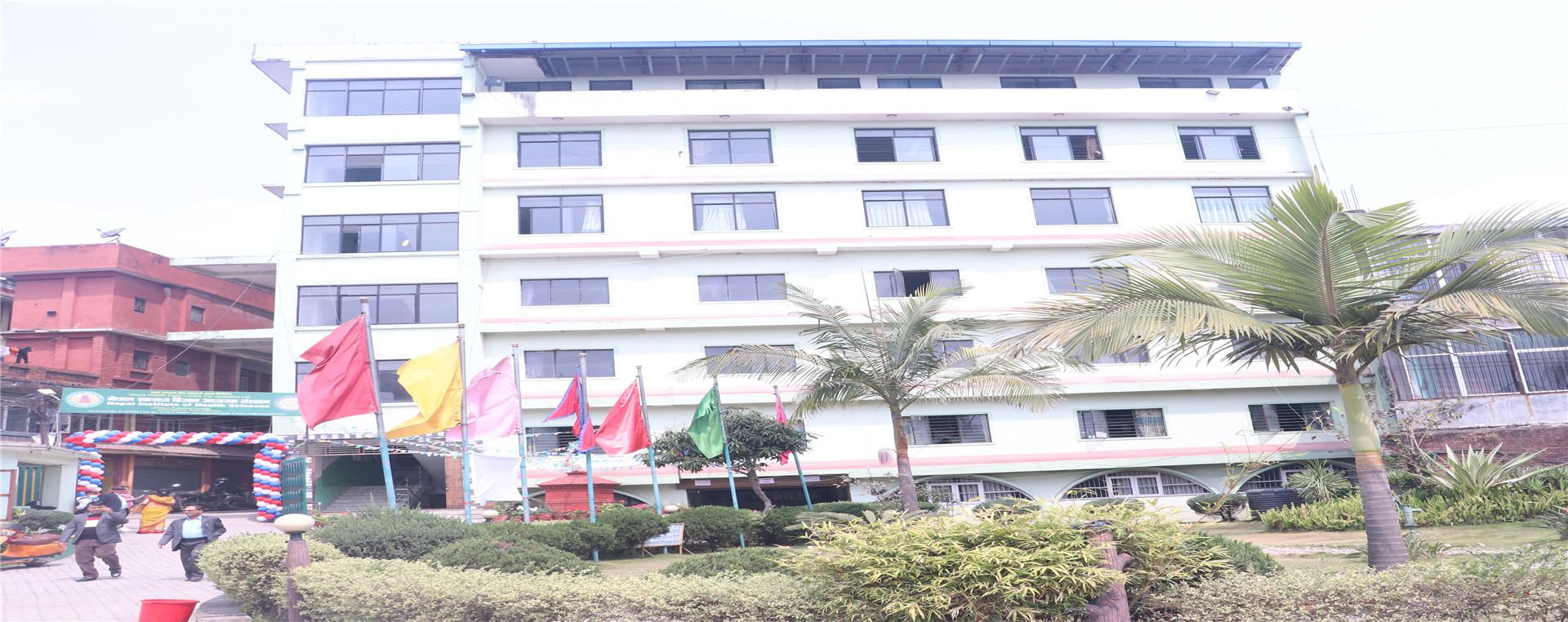
Course: Bachelor of Public Health (BPH)
College: Nepal Institute of Health Science (Stupa College)
Location: Gokarneswor-05, Bouddha, Tushal, Pipalbot, Kathmandu
Affiliation: Purbanchal University
Duration: 4 years
Academic System: 8 semesters
Medium of Instruction: English
Admission: MECEE-BL under prevailing Medical Education Commission provisions
Learning Components: Theory, laboratory work, field-based practice, research, community health activities, and public health management
Professional Requirement: Applicable Nepal Health Professional Council licensing requirements after graduation
BPH is structured around population and community health rather than individual clinical care. Students study disease patterns, health determinants, nutrition, environmental health, reproductive and family health, health promotion, research, statistics, policy, and health program management.
The curriculum also develops practical exposure through community diagnosis, intervention, research work, proposal preparation, training activities, and residential public health field practice.
Eligibility: Academic eligibility includes Proficiency Certificate in Health Sciences from a recognized institution, or Intermediate Science/10+2 with Biology with 50% marks, or grade C in all subjects with a total GPA of 2.40 in aggregate.
Admission for the BPH program is based on MECEE-BL and follows the prevailing rules, guidelines, code of conduct, scholarship provisions, seat allocation system, fee structure, and admission procedures set by the Medical Education Commission (MEC), Nepal.
Seat numbers are determined by MEC and may vary from one academic year to another. Fees, scholarship arrangements, seat distribution, examination-related provisions, and the admission schedule are also subject to MEC decisions and the applicable official MEC calendar.
The four academic years progress from basic health sciences to public health methods, intervention, research, and management.
| Academic Stage | Main Focus |
|---|---|
| First Year | Basic health sciences and introductory public health |
| Second Year | Core public health sciences, epidemiology, family health, nutrition, environmental health, and methodology |
| Third Year | Public health intervention, health education, statistics, community participation, disaster management, health services, policy, and community diagnosis |
| Fourth Year | Research, monitoring and evaluation, health economics, information systems, public health management, training, project management, and research practicum |
Early semesters include Introduction to Public Health, Anatomy, Physiology and Patho-physiology, Public Health Microbiology, Public Health Biochemistry, Public Health Entomology and Rodentology, Basic Foods and Nutrition, Ecosystem and Environmental Health, and epidemiology.
Middle semesters move into Public Health Core Actions, communicable diseases, family health, applied public health nutrition, environmental and occupational health, reproductive health, non-communicable diseases and mental health, epidemiological methods, sociology and anthropology, statistics, community organization, health education, and disaster management.
The later stage includes Community Health Diagnosis and Intervention, Public Health Research, Health Program Supervision Monitoring and Evaluation, Health Economics and Financing, Health Management Information System and Logistic Management, Public Health Project Management, and Public Health Research Practicum.
Fieldwork is built into the curriculum rather than being limited to a single final placement. Students encounter laboratory-based practice, concurrent field-based practice, classroom-based practice, residential community work, research proposal writing, project proposal preparation, and a public health research practicum.
Within Stupa College's practical-learning environment, community exposure areas include Dhading, Gorkha, Lamjung, Chitwan, Makawanpur, Nuwakot, Rasuwa, Kavre, Sindhupalchowk, and locations in Kathmandu including Thali and Danchi. Observation areas include public health, waste management, water treatment, senior citizen care, and nutrition-related settings.
The BPH curriculum prepares graduates for work connected with public health programs, community health, research, health education, program planning, monitoring, and management.
Career areas identified for BPH graduates include federal, provincial, and local-level health institutions, academic institutions, research institutions, NGOs/INGOs, and hospital-related public health roles. Employment depends on professional licensing, recruitment requirements, experience, competence, and available positions.
The program also provides an academic pathway toward Master of Public Health (MPH) study, subject to the eligibility and admission requirements of the institution offering the postgraduate program.
After completing the BPH program, graduates must meet the applicable professional licensing requirements before entering regulated professional practice.
For BPH graduates, the relevant professional body is the Nepal Health Professional Council (NHPC). Academic graduation and professional licensing are separate stages.
Address: Gokarneswor-05, Bouddha, Tushal, Pipalbot, Kathmandu
Phone: +977-1-4917557, +977-1-4917558, +977-1-4917720
Email: info@stupahealth.org.np
Website: www.stupahealth.org.np
The Bachelor of Public Health is a four-year program divided into eight semesters.
The program is affiliated with Purbanchal University.
The curriculum covers basic health sciences, epidemiology, nutrition, environmental and occupational health, family and reproductive health, health education, statistics, research, health policy, community intervention, monitoring, and public health management.
Yes. The curriculum includes laboratory and field-based practice, community diagnosis and intervention, residential field practice, public health management field practicum, proposal writing, and research practicum.
Admission is based on MECEE-BL and follows prevailing Medical Education Commission admission provisions.
No fixed seat figure should be assumed. Seats are determined by MEC and may vary between academic years.
Graduates must meet the applicable Nepal Health Professional Council licensing requirements before entering regulated professional practice.