Shashikant sah
Mahendra nagar -5 Dhanusha Nepal .
sashisah84@gmail.com




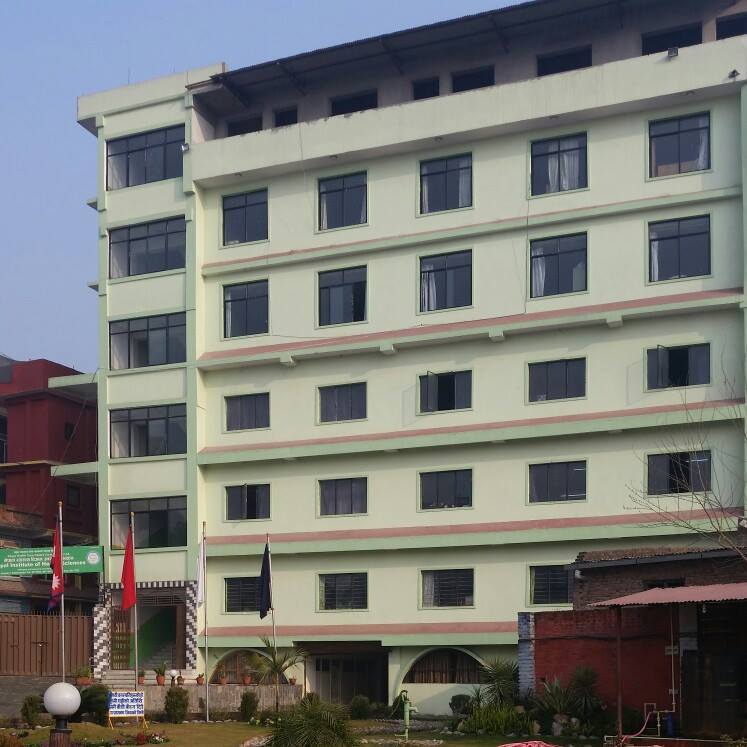
Nepal Institute of Health Science (Stupa College) is a cooperative-based health education institute established in 2001 in Bouddha, Kathmandu. It operates under Stupa Health Care Center Co-operative Limited (SHCC), a community-owned health care cooperative.
The college offers bachelor-level and diploma/certificate-level health programs through affiliations with Purbanchal University and the Council for Technical Education and Vocational Training (CTEVT). Its academic activities include classroom instruction alongside clinical, laboratory, community, and field-based learning connected with hospitals, health facilities, community locations, and observation sites.
Established in 2001 as a cooperative-based health education institute in Bouddha, Kathmandu.
Operates under Stupa Health Care Center Co-operative Limited (SHCC), alongside Stupa Community Hospital and the Centre for Research, Training & International Relations.
Offers bachelor-level health programs affiliated with Purbanchal University and diploma/certificate-level programs affiliated with CTEVT.
Academic programs cover public health, nursing, general medicine, pharmacy, and medical laboratory technology.
Practical learning includes clinical exposure, laboratory work, community field activities, observation visits, and course-specific practicum.
Clinical and community exposure extends to hospitals, health facilities, health posts, community locations, and public health observation sites in Kathmandu and other districts.
Admission to applicable medical and nursing education programs follows MECEE-BL and prevailing Medical Education Commission provisions.
Seat allocation, fees, scholarships, and related admission provisions for MEC-regulated programs may change according to the applicable academic year and MEC decisions.
Graduates of regulated health programs must meet the licensing requirements of the respective professional council before entering professional practice where such licensing applies.
The college is located at Gokarneswor-05, Bouddha, Tushal, Pipalbot, Kathmandu.
Stupa Health Care Center Co-operative Limited has three main organs:
Nepal Institute of Health Sciences (NIHS)
Stupa Community Hospital (SCH)
Centre for Research, Training & International Relations (CRTIR)
The Executive Committee of SHCC appoints the Chief Executive Officer, Campus Chief (Principal), Medical Director, and Chairperson of CRTIR to manage their respective areas.
This structure connects health education with clinical services, research, training, and community-based activities within the cooperative framework.
Bachelor-level programs are affiliated with Purbanchal University, while diploma and certificate-level technical health programs are affiliated with the Council for Technical Education and Vocational Training (CTEVT).
The college offers health programs in public health, nursing, general medicine, pharmacy, and medical laboratory technology.
| Program | Affiliation | Academic Format |
|---|---|---|
| Bachelor of Public Health (BPH) | Purbanchal University | 8 semesters |
| Bachelor of Science (BSc) in Nursing | Purbanchal University | 4 years |
| Post Basic Bachelor in Nursing (PBBN) | Purbanchal University | 3 years |
| PCL in General Medicine (Health Assistant) | CTEVT | 3 years, yearly system |
| PCL Nursing (Staff Nurse) | CTEVT | 3 years, yearly system |
| Diploma in Pharmacy | CTEVT | 3 years, yearly system |
| Certificate in Medical Laboratory Technology (CMLT) | CTEVT | 3 years, yearly system |
The Bachelor of Public Health follows an eight-semester structure. Its study areas include public health, anatomy and physiology, microbiology, biochemistry, epidemiology, nutrition, environmental and occupational health, family health, demography, population studies, reproductive health, and related laboratory and field-based practice.
The program combines academic study with laboratory work and community-oriented public health activities.
The Bachelor of Science in Nursing is a four-year program. Its curriculum covers anatomy and physiology, biochemistry, microbiology and parasitology, pathophysiology, pharmacology, nutrition and dietetics, foundation of nursing, and community health nursing.
Later stages include medical-surgical nursing, psychiatric nursing, geriatric nursing, pediatric nursing, midwifery, gynaecological nursing, epidemiology, research and biostatistics, educational science, leadership, and management.
Theory is combined with practical and clinical learning throughout the program.
The three-year post-basic nursing program includes anatomy and physiology, pharmacology, pathophysiology, microbiology and parasitology, biochemistry, nutrition and dietetics, medical-surgical nursing, nursing concepts and theories, pediatric nursing, and medical sociology and anthropology.
Further study includes midwifery, community health nursing, psychiatric nursing, educational science, epidemiology, geriatric nursing, applied computer technology, leadership and management, research and biostatistics, oncology nursing, and elective study.
The program also incorporates practical, clinical, community, management, and research components.
PCL in General Medicine is a three-year CTEVT program organized under the yearly system. It is designed around general medicine and related clinical and community health areas.
The curriculum includes medicine, surgery, basic medical procedures and first aid, clinical pathology, clinical pharmacology and pharmacy, environmental health, health education, primary health care and family health, epidemiology, community diagnosis, and health management.
Students also undertake comprehensive clinical and community field practicum as part of the program.
PCL Nursing is a three-year CTEVT program under the yearly system. Its curriculum includes fundamental nursing, community health nursing, anatomy and physiology, basic science applied to nursing, medical and surgical nursing, geriatric nursing, behavioural science and mental health nursing, midwifery, gynaecological nursing, child health nursing, leadership, and management.
Theory is supported by clinical and practical components across the program.
Diploma in Pharmacy is a three-year CTEVT program under the yearly system.
Its academic areas include pharmaceutics, pharmacology, pharmaceutical chemistry, pharmacognosy, biochemistry and microbiology, pharmacotherapeutics, pharmaceutical management, public health pharmacy, hospital and clinical pharmacy, pharmaceutical jurisprudence, community pharmacy practice, and comprehensive professional field practice.
The program combines pharmaceutical theory with practical work and field-based professional learning.
Certificate in Medical Laboratory Technology is a three-year CTEVT program under the yearly system.
Its study areas include clinical microbiology and immunology, hematology and blood banking, clinical biochemistry, medical parasitology, clinical pathology, public health and first aid, histopathology and cytopathology, instrumentation and automation, and clinical laboratory management.
The program also includes clinical practice in microbiology and parasitology, hematology and blood banking, biochemistry, histopathology, and cytopathology.
Clinical and field exposure forms part of the learning environment at Stupa College. Students may undertake practical learning through hospitals, health facilities, community locations, and observation sites connected with their academic requirements.
Hospital and health facility exposure areas include:
Stupa Community Hospital, Boudha
Bhaktapur District Hospital
Narayani Regional Hospital, Birjung
Nepal Orthopedic Hospital, Jorpati
Nepal Eye Hospital, Tripureshor
Manipal Hospital, Pokhara
Kathmandu ENT Hospital, Bagbazar
Sukraraj Tropical and Infectious Diseases Hospital, Teku
Lions Eye Hospital
Bal Maitri Hospital, Basundhara
Maryknoll Nepal/Ashadeep
Rhythm Neuropsychiatric Hospital, Nakkhu
Pashupati Senior Citizen Center
Gokarna PHCC
Kapan Health Post
Nayapati Health Post
Indrayani Health Post
Community field exposure areas include Dhading, Gorkha, Lamjung, Chitwan, Makawanpur, Nuwakot, Rasuwa, Kavre, Sindhupalchowk, and locations in Kathmandu including Thali and Danchi.
Observation areas include DDC Balaju, Solid Waste Management in Teku, Water Treatment Plant in Sundarijal, Pashupati Bridashram, SOS Jorpati, and Nutrition Rehabilitation Center.
The nature of practical exposure varies by program. Public health study includes laboratory and field-based work, nursing programs include clinical and community practice, CMLT emphasizes laboratory practice, and General Medicine includes clinical and community practicum.
Admission requirements vary according to the program and the authority responsible for that program.
For medical education and nursing education courses covered by the prevailing regulatory framework, admission is based on MECEE-BL and follows the rules, guidelines, code of conduct, scholarship provisions, seat allocation system, fee structure, and admission procedures of the Medical Education Commission (MEC), Nepal.
Seats, fees, scholarship arrangements, and examination-related guidelines are subject to MEC decisions and the official MEC calendar. Seat numbers are determined by MEC and may vary from one academic year to another.
For applicable CTEVT programs, admission follows the relevant CTEVT curriculum and entrance requirements. The CMLT and PCL in General Medicine programs include an entrance examination administered by CTEVT as part of their entry requirements.
Students applying for admission should follow the requirements applicable to their chosen program and academic year.
Graduation from a regulated health program and professional licensing are separate requirements. After completing the relevant course, graduates must pass the licensing examination of the respective professional council before entering the profession where such licensing applies.
Nursing graduates are associated with the Nepal Nursing Council, pharmacy graduates with the Nepal Pharmacy Council, and applicable allied health professions with the Nepal Health Professional Council (NHPC).
The professional council requirement should therefore be considered separately from completion of the academic program.
Nepal Institute of Health Science (Stupa College) is located at Gokarneswor-05, Bouddha, Tushal, Pipalbot, Kathmandu.
Address: Gokarneswor-05, Bouddha, Tushal, Pipalbot, Kathmandu
Phone: +977-1-4917557, +977-1-4917558, +977-1-4917720
Email: info@stupahealth.org.np
Website: www.stupahealth.org.np
The administrative office handles enquiries related to courses, admission, location, fees, scholarships, facilities, counseling, and eligibility.
Nepal Institute of Health Science (Stupa College) was established in 2001 in Bouddha, Kathmandu.
Its bachelor-level health programs are affiliated with Purbanchal University, while diploma and certificate-level technical health programs are affiliated with CTEVT.
The college offers Bachelor of Public Health, Bachelor of Science in Nursing, Post Basic Bachelor in Nursing, PCL in General Medicine, PCL Nursing, Diploma in Pharmacy, and Certificate in Medical Laboratory Technology.
Yes. Its academic activities include hospital and health facility exposure, community fieldwork, observation visits, laboratory practice, clinical practicum, and other course-specific practical components.
Applicable medical and nursing education admissions are based on MECEE-BL and follow the prevailing MEC framework for admission procedures, seats, fees, scholarships, and related requirements. Seat allocations may change between academic years.
Graduates of regulated health programs must complete the licensing requirements of the relevant professional council before entering the profession where licensing applies.
Mahendra nagar -5 Dhanusha Nepal .
sashisah84@gmail.com