The Post-Basic Bachelor of Nursing Science (PBNS) at Nepal Institute of Health Science (Stupa College) is a three-year bachelor-level nursing program affiliated with Purbanchal University. It is intended for nurses who have already completed PCL Nursing and are moving into advanced study in clinical nursing, community health, midwifery, mental health, education, management, and research.
The program was previously known as Post-Basic Bachelor of Nursing (PBBN). Purbanchal University changed the name to Post-Basic Bachelor of Nursing Science (PBNS) from the academic year 2075/76. The revised three-year curriculum includes four elective areas: Community Health Nursing, Midwifery, Medical-Surgical Nursing, and Psychiatric Nursing.
Course: Post-Basic Bachelor of Nursing Science (PBNS)
Previous Name: Post-Basic Bachelor of Nursing (PBBN)
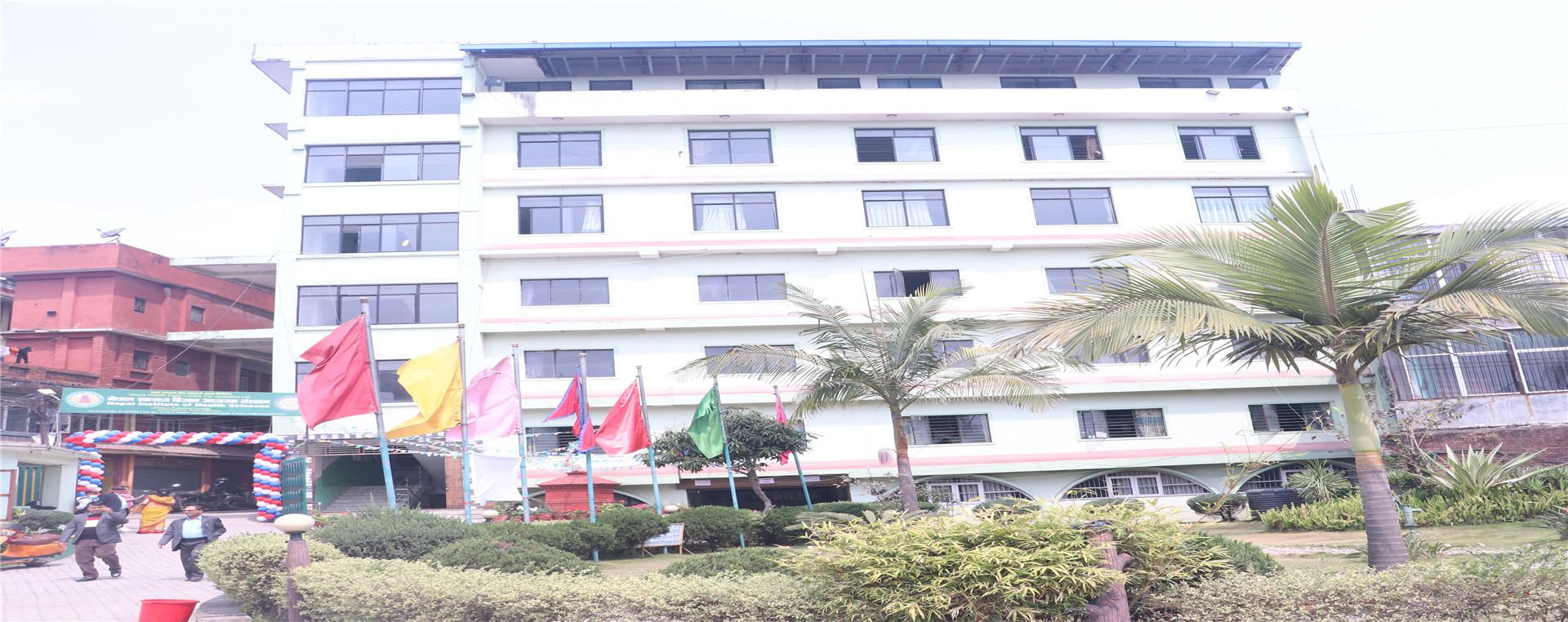
College: Nepal Institute of Health Science (Stupa College)
Location: Gokarneswor-05, Bouddha, Tushal, Pipalbot, Kathmandu
Affiliation: Purbanchal University
Duration: 3 academic years
Total Credit Hours: 180, including theory and practical components
Entry Background: PCL Nursing
Work Experience: At least one year in a recognized health institution after Nepal Nursing Council licensure
Admission: MECEE-BL under prevailing Medical Education Commission provisions
Elective Areas: Community Health Nursing, Midwifery, Medical-Surgical Nursing, and Psychiatric Nursing
Major Components: Clinical nursing, community practice, nursing education, management, research, and elective practicum
PBNS builds on the knowledge and professional experience gained through PCL Nursing. The program develops advanced nursing knowledge and practical ability across hospital, maternity, community, mental health, educational, and management settings.
Its academic purpose includes preparing nurses for responsibilities involving problem identification, planning, implementation, health education, professional development, evaluation, research, and nursing management. The curriculum combines these areas with specialty study through its elective component.
The course is therefore different from an entry-level bachelor nursing program. Students enter PBNS after completing PCL Nursing and gaining professional experience following nursing licensure.
Eligibility: Candidates must have passed PCL Nursing from a recognized institution. The PBNS curriculum also requires at least one year of work experience in a recognized health institution after obtaining a Nepal Nursing Council license.
Current nursing education admission is based on MECEE-BL and follows the prevailing rules, guidelines, code of conduct, admission procedures, scholarship provisions, seat allocation system, and fee structure set by the Medical Education Commission (MEC), Nepal.
Applicants must therefore satisfy both the academic background required for PBNS and the applicable MEC admission requirements for the relevant academic year.
Seat numbers are determined under the prevailing MEC system and may change from one academic year to another. Fees, scholarship arrangements, seat distribution, admission procedures, and examination-related provisions are also subject to MEC decisions and the official MEC calendar. A previous intake figure should not be treated as the confirmed intake for a new admission cycle.
The PBNS program runs for three academic years and carries 180 credit hours across theory and practical study. One theory credit corresponds to 16 lecture hours, while one practical credit corresponds to 32 hours of practical work.
| Year | Main Areas of Study |
|---|---|
| First Year | Basic health sciences, Medical-Surgical Nursing, Nursing Concepts and Theories, Pediatric Nursing, Professional English |
| Second Year | Midwifery, Community Health Nursing, Psychiatric Nursing, Educational Science, Epidemiology, Geriatric Nursing, Applied Computer Technology |
| Third Year | Leadership and Management, Research and Biostatistics, Oncology Nursing, elective nursing specialty and practicum |
First-year study strengthens the scientific and nursing foundation required for advanced practice. Subjects include:
Anatomy and Physiology
Pharmacology
Pathophysiology
Microbiology/Parasitology
Biochemistry
Nutrition and Dietetics
Basic Science/Nutrition Practical
Medical-Surgical Nursing-I
Nursing Concepts and Theories
Pediatric Nursing
Medical Sociology/Anthropology
Professional English
Medical-Surgical Nursing and Pediatric Nursing include practical components, while basic science and nutrition study also incorporates practical work.
The second year moves further into maternal, community, mental health, educational, and geriatric nursing. It includes:
Midwifery-I
Community Health Nursing-I
Psychiatric Nursing-I
Educational Science
Epidemiology
Geriatric Nursing
Applied Computer Technology
Midwifery, Community Health Nursing, Psychiatric Nursing, Educational Science, and Geriatric Nursing include practical components.
Third-year study concentrates on nursing leadership, research, oncology care, and the selected specialty area. Subjects include:
Leadership and Management
Research and Biostatistics in Nursing
Oncology Nursing
Elective Subject
Elective Subject Practicum
Leadership and Management, Research and Biostatistics, and Oncology Nursing include practical work. The elective subject is supported by an extended practicum.
PBNS includes four elective options that allow students to undertake focused nursing study in the final stage of the program.
Community Health Nursing deals with nursing services at community level and links nursing practice with primary health care, community participation, health promotion, and public health activities.
Midwifery concentrates on maternal health, childbirth-related nursing care, infant care, and sexual and reproductive health. The curriculum gives this area substantial theory and practical attention across the program.
Medical-Surgical Nursing focuses on nursing care within hospitals and other health care institutions. Students work with clinical nursing concepts relevant to patients requiring medical and surgical care.
Psychiatric Nursing covers nursing care related to mental health and psychiatric settings, including care and communication in hospital and community environments.
Clinical work extends across all three years rather than being restricted to a single final placement.
First-year clinical practice includes general and children's hospital settings. Basic science and nutrition practice includes skill laboratories and clinical laboratory exposure in microbiology, parasitology, and biochemistry.
Second-year practical work includes maternity, specialty, mental health, and senior citizen care settings. Educational Science practice takes place in nursing education environments, while Community Health Nursing practicum includes health administration and selected community, primary health care, and health-post settings.
Third-year practical learning includes:
Management practicum
Clinical practicum
Research practicum
Major elective practicum
Research practicum covers proposal preparation, conducting research, and report writing. Major-subject placements may involve maternity, mental health, specialty hospital, or selected community settings according to the student's area of study.
At Stupa College, practical exposure associated with nursing education includes hospitals, health facilities, communities, and educational settings. These include Stupa Community Hospital and other clinical and community exposure areas used according to course requirements.
PBNS uses a mixture of classroom, practical, observational, and participatory learning.
Methods include:
Interactive lectures
Group discussion
Observation and demonstration
Individual and group assignments
Presentations
Observation visits
Practical assignments
Term papers
Self-directed learning
Problem-based learning
The choice of method varies with the nature of the subject and whether the learning activity is theoretical, practical, clinical, or field-based.
Theory and practical components are evaluated separately.
Theory Evaluation:
Internal assessment: 20%
Final examination: 80%
Practical Evaluation:
Internal assessment: 80%
Final examination in the major/elective subject: 20%
Practical assessment is connected with performance during clinical and field learning, project and presentation work, teaching activities, reports, and the major elective practicum.
PBNS does not limit advanced study to direct clinical care. Leadership and Management and Research and Biostatistics in Nursing are major third-year components, each combining academic study with practical work.
The research practicum requires students to work through proposal preparation, research activity, and report writing. Management practice is linked with the student's clinical or specialty context.
This part of the program develops experience relevant to nursing administration, service organization, evidence-based academic work, and professional decision-making.
PBNS graduates may pursue nursing work across hospitals, nursing homes, community health settings, educational institutions, research environments, and other health services according to their professional registration, experience, specialization, and recruitment requirements.
The curriculum supports areas such as clinical care, nursing education, community nursing, management, research, maternal care, medical-surgical nursing, and psychiatric nursing.
Employment is not automatic after graduation. Eligibility for a particular position depends on professional licensing, employer requirements, experience, specialization, vacancy criteria, and other applicable rules.
PBNS graduates may also pursue higher education in nursing or related fields where they meet the admission requirements of the institution and program concerned.
PBNS is a post-basic program for nurses who enter with an existing PCL Nursing background and Nepal Nursing Council licensure.
After completion of the bachelor-level qualification, graduates must meet the applicable professional licensing and registration requirements of the Nepal Nursing Council before practising at the level for which council licensing is required.
Academic completion and professional council requirements should be treated as separate stages.
Address: Gokarneswor-05, Bouddha, Tushal, Pipalbot, Kathmandu
Phone: +977-1-4917557, +977-1-4917558, +977-1-4917720
Email: info@stupahealth.org.np
Website: www.stupahealth.org.np
PBNS stands for Post-Basic Bachelor of Nursing Science.
The program was previously called Post-Basic Bachelor of Nursing (PBBN). Purbanchal University changed its name to Post-Basic Bachelor of Nursing Science (PBNS) from the academic year 2075/76.
The PBNS program is three academic years.
The academic entry requirement includes completion of PCL Nursing from a recognized institution and at least one year of work experience in a recognized health institution after Nepal Nursing Council licensure. Applicants must also meet the prevailing MEC and MECEE-BL admission requirements.
Yes. Nursing education admission follows the prevailing MECEE-BL and Medical Education Commission admission framework.
The elective areas are Community Health Nursing, Midwifery, Medical-Surgical Nursing, and Psychiatric Nursing.
Yes. Third-year study includes Research and Biostatistics in Nursing along with a research practicum covering proposal preparation, research activity, and report writing.
Seat allocation follows the prevailing Medical Education Commission determination and may vary between academic years.
Graduates must meet the applicable Nepal Nursing Council licensing and registration requirements before professional practice at the relevant level.