The Bachelor of Science (BSc) in Nursing at Nepal Institute of Health Science (Stupa College) is a four-year nursing program affiliated with Purbanchal University. The course combines nursing science, basic health sciences, clinical practice, community health, midwifery, research, education, and nursing management. Students progress from foundational nursing and basic sciences to medical-surgical nursing, psychiatric nursing, pediatric nursing, midwifery, community health nursing, research, and leadership.
Practical learning is integrated throughout the program through clinical placements, community work, simulation, assignments, projects, and supervised nursing practice.
Course: Bachelor of Science (BSc) in Nursing / Bachelor of Science in Nursing (BSN)
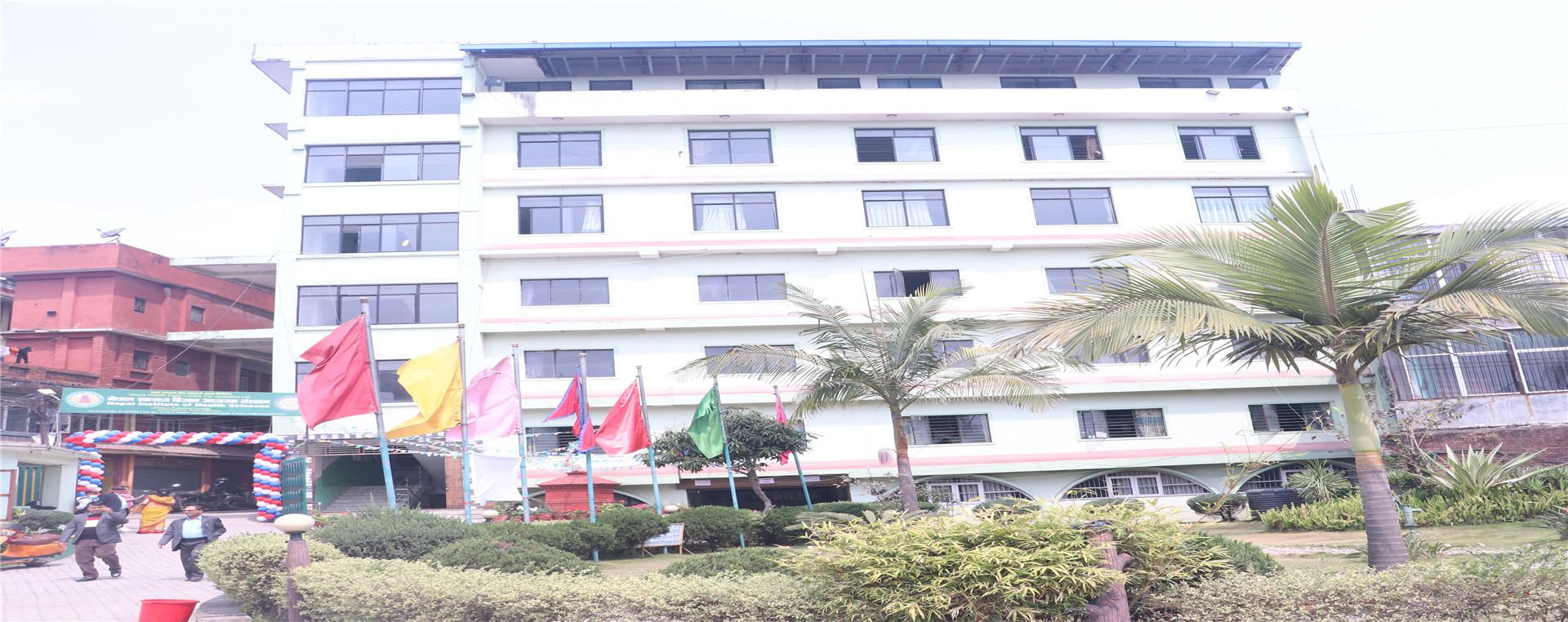
College: Nepal Institute of Health Science (Stupa College)
Location: Gokarneswor-05, Bouddha, Tushal, Pipalbot, Kathmandu
Affiliation: Purbanchal University
Duration: 4 academic years
Admission: MECEE-BL under prevailing Medical Education Commission provisions
Academic Focus: Nursing care, community health, medical-surgical nursing, midwifery, research, education, and management
Professional Requirement: Nepal Nursing Council licensing examination after course completion
The program prepares graduates for nursing responsibilities that combine direct patient care with community health, nursing education, management, and basic research. Its academic framework covers preventive, promotive, curative, and rehabilitative aspects of nursing while developing decision-making, communication, health education, research, and leadership skills.
The curriculum also places substantial attention on family and reproductive health, midwifery, hospital nursing, and community health nursing. Nursing process and problem-solving approaches are integrated across clinical and community settings.
Eligibility: Candidates need Intermediate Science, 10+2, or A Level with Biology, with an equivalent C+ grade or 50% aggregate as per the National Examination Board, Nepal.
Admission to nursing education is based on MECEE-BL and follows the prevailing rules, guidelines, code of conduct, admission procedures, scholarship provisions, seat allocation system, and fee structure determined by the Medical Education Commission (MEC), Nepal.
Seats are determined by MEC and may vary between academic years. The applicable fee structure, scholarship arrangements, seat distribution, and admission schedule also follow MEC decisions and the official MEC calendar for the relevant admission cycle.
The four-year curriculum progresses from basic science and nursing foundations to specialized clinical nursing, midwifery, research, education, and management. The program carries theory and practical components throughout its academic structure.
| Year | Main Subjects |
|---|---|
| First Year | Anatomy and Physiology, Biochemistry, Microbiology/Parasitology, Pathophysiology, Pharmacology, Nutrition and Dietetics, Foundation of Nursing, Community Health Nursing-I |
| Second Year | Nursing Concept and Theories, Medical-Surgical Nursing-I, Medical-Surgical Nursing-II, Psychiatric Nursing, Community Health Nursing-II, Medical Sociology/Anthropology, Geriatric Nursing |
| Third Year | Pediatric Nursing, Midwifery-I, Midwifery-II, Midwifery-III, Community Health Nursing-III, Basic Epidemiology, Gynaecology Nursing |
| Fourth Year | Research and Biostatistics in Nursing, Educational Science, Leadership and Management, Medical-Surgical Nursing-III (Advance) |
The first- and second-year structures include substantial practical hours in foundation nursing, community health nursing, medical-surgical nursing, psychiatric nursing, and geriatric nursing. Third-year study moves further into pediatric nursing, midwifery, community health, epidemiology, and gynaecological nursing, while fourth year concentrates on research, education, leadership, management, and advanced medical-surgical nursing.
Teaching methods include lectures, discussions, demonstrations, self-directed learning, problem-based learning, observation, skill-lab simulation, clinical practice, field practice, written assignments, project work, and group presentations.
At Stupa College, nursing students have access to clinical and community exposure connected with health institutions and field settings. Course-related exposure areas include Stupa Community Hospital, Nepal Medical College Teaching Hospital, Nepal Orthopedic Hospital, Thapathali Maternity Hospital, Bhaktapur Cancer Hospital, primary health care settings, schools, communities, industries, and educational institutions used for teaching practice.
These placements connect classroom study with bedside nursing, maternity care, community health activities, health education, and supervised clinical practice.
Theory assessment is divided between internal and final evaluation:
Internal assessment: 20%
Final assessment: 80%
Theory examinations may include multiple-choice questions, problem-based questions, long-answer questions, and short-answer questions.
Practical evaluation is divided equally between internal and final assessment. Internal work may include performance assessment, case presentation, client teaching, nursing care plans, project work, documentation, procedure records, and related clinical tasks. Final practical assessment includes procedure-based evaluation, OSPE/OSCE or simulation, and viva components.
Academic completion is followed by the professional licensing requirement. Graduates must pass the licensing examination of the Nepal Nursing Council before entering nursing practice under the applicable professional framework.
The licensing stage is separate from completing the university degree.
After completing the degree and the applicable professional licensing requirement, graduates may explore nursing roles in hospitals, nursing homes, community health settings, schools, health-related organizations, and nursing education environments.
The program also develops foundations relevant to nursing administration, health education, program planning, clinical care, and basic research. Career outcomes depend on professional licensing, individual competence, experience, recruitment requirements, and available positions.
The degree can also support progression to master-level nursing education, subject to the admission requirements of the institution offering the higher-level program.
Address: Gokarneswor-05, Bouddha, Tushal, Pipalbot, Kathmandu
Phone: +977-1-4917557, +977-1-4917558, +977-1-4917720
Email: info@stupahealth.org.np
Website: www.stupahealth.org.np
The Bachelor of Science in Nursing is a four-year academic program affiliated with Purbanchal University.
Candidates need Intermediate Science, 10+2, or A Level with Biology, equivalent to C+ or 50% in aggregate as per the National Examination Board, Nepal.
Yes. Admission to the nursing program is based on MECEE-BL and follows the prevailing admission framework of the Medical Education Commission.
Yes. Clinical and practical learning runs through the program, including nursing practice, community health work, midwifery, medical-surgical nursing, psychiatric nursing, pediatric nursing, and other supervised practical components.
First-year subjects include Anatomy and Physiology, Biochemistry, Microbiology/Parasitology, Pathophysiology, Pharmacology, Nutrition and Dietetics, Foundation of Nursing, and Community Health Nursing-I.
Yes. Graduates must pass the applicable Nepal Nursing Council licensing examination before entering professional nursing practice.
Seat numbers are determined by the Medical Education Commission and may vary from one academic year to another.