The MD General Practice (MDGP) program at Gandaki Medical College Teaching Hospital and Research Centre in Pokhara is offered under the affiliation of Tribhuvan University. It is a three-year postgraduate medical program designed for doctors who want advanced training in comprehensive patient care, emergency response, community health, hospital-based management, and district-level service delivery. The program is structured as full-time residential training and follows the integrated postgraduate entrance and merit system used in Nepal.
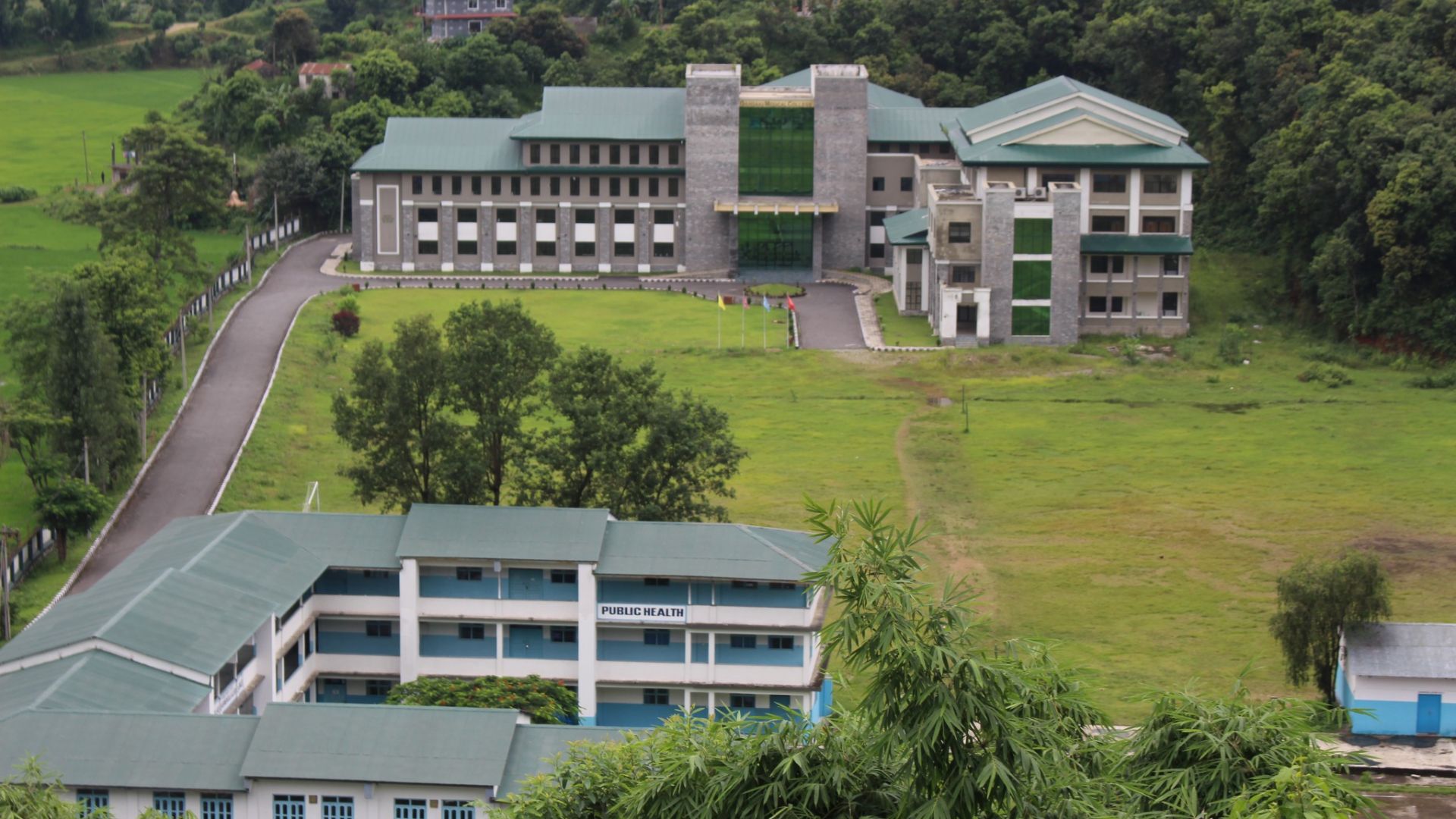
At Gandaki Medical College, MDGP is delivered within a broader academic environment that includes undergraduate and postgraduate medical education, hospital-linked learning, laboratories, library and internet facilities, hostel arrangements, cafeteria services, and student support spaces. The college’s teaching hospital setting supports postgraduate medical training through specialist services, emergency care, diagnostic services, and clinical departments that strengthen academic exposure across multiple fields of practice. Within the wider institutional setting, the college also offers programs in MBBS, dentistry, nursing, pharmacy, public health, and allied health sciences, creating a multidisciplinary environment for advanced medical study.
Offered at Gandaki Medical College Teaching Hospital and Research Centre, Pokhara
Affiliated with Tribhuvan University
Academic level: Postgraduate degree
Duration: 3 years
Entrance examination: MECEE-PG
Full-time residential training
Focused on comprehensive management of common health problems
Includes training in emergency and life-saving surgical and obstetrical intervention
Covers clinical, community health, managerial, training, communication, and professional performance areas
Admission follows the merit-based postgraduate framework through the Medical Education Commission
The MDGP curriculum is organized across three academic years and is designed to prepare graduates for broad-based medical practice with training in medicine, surgery, pediatrics, obstetrics and gynecology, emergency care, anesthesia, and district-level health services. The course structure combines specialty rotations, clinical exposure, examination phases, and research-oriented academic work.
The training sequence progresses from core medical specialties to surgical and obstetric training and then to general practice responsibilities in broader service settings.
First Year Rotation
Medicine
Paediatrics
Dermatology
Psychiatry
Anandaban
Year-end examination
Second Year Rotation
Surgery and Orthopaedics
Obstetrics and Gynaecology and Family Planning
Year-end examination
Third Year Rotation
Health services at the district level
Anaesthesia
Emergency Medicine
ENT
Ophthalmology
Dental and Forensic Medicine
Final examination
The program is intended to prepare graduates who can provide comprehensive and effective management of common health problems, including timely emergency and life-saving surgical and obstetrical intervention.
Prepare graduates to provide comprehensive management of common health problems
Develop the ability to perform timely emergency and life-saving surgical and obstetrical intervention
Build clinical competence in diagnosis and management using available resources
Strengthen preventive and community health performance
Develop managerial ability in hospital and service settings
Prepare residents to support training and in-service education
Improve communication and referral coordination across health services
Maintain professional standards expected in health care leadership roles
The MDGP program is intended for medical graduates who want a broad and practice-oriented postgraduate pathway rather than a narrow specialty route. Its scope extends across clinical care, emergency management, minor surgical and obstetrical intervention, preventive and community health work, district-level hospital service, staff coordination, training responsibilities, and professional leadership in health care systems.
At Gandaki Medical College, this scope is supported by a medical college environment linked to hospital services and multidisciplinary academic programs. The structure of MDGP makes it suitable for doctors who want training that connects direct patient care with community responsibilities, hospital administration, referral systems, and health service coordination. The district health service component also gives the program a broader service orientation within Nepal’s health care context.
Graduates of the MDGP program are expected to be able to:
Demonstrate comprehensive knowledge of common and serious health problems
Diagnose health problems through history, examination, and available diagnostic procedures
Provide effective medical and surgical management in relation to available resources
Coordinate and implement health promotion and disease prevention activities
Demonstrate knowledge of major district-level health problems
Support health posts through clinical, administrative, and health promotional activities
Manage hospital staff and carry out administrative responsibilities
Conduct or arrange in-service training for hospital staff and others
Support education and training of health care students assigned to the hospital
Establish effective referral systems
Coordinate communication and cooperation among health care services
Maintain professional standards consistent with leadership in health care
The program supports progressive development in the following areas:
Medicine
Paediatrics
Dermatology
Psychiatry
Surgery
Orthopaedics
Obstetrics and Gynaecology
Family Planning
Anaesthesia
Emergency Medicine
ENT
Ophthalmology
Dental and Forensic Medicine
District-level health service training
Health promotion and disease prevention activities
Referral and communication systems
Administrative and managerial responsibilities
Research project work
The MDGP program follows a rotation-based resident training model that combines specialty exposure, district-level health service work, internal assessment, annual examinations, and practical clinical evaluation. It is structured as a full-time residential course with continuous academic and professional engagement.
Full-time residential training
Rotation-based learning across major medical and surgical areas
Clinical exposure in specialty and general practice settings
District-level health service experience in the final phase
Internal assessment after each rotation
Log book-based performance review
Theoretical, clinical, oral, and practical assessment
Research project in the third year
Training under postgraduate academic and administrative rules
Graduates of MDGP may move toward roles such as:
General practice specialist
Doctor in district-level hospitals
Comprehensive clinical care provider
Emergency and life-saving intervention provider
Community and preventive health service professional
Hospital manager or administrative medical leader
In-service trainer for hospital staff and health workers
Medical educator in assigned training settings
Referral and health service coordination professional
Research-oriented medical professional
Admission and selection follow the national postgraduate medical education framework
Candidates must qualify through MECEE-PG and the merit process
Nepalese and foreign candidates appear in the common entrance examination
Separate merit lists are published for Nepalese and foreign candidates
Admission is completed on merit basis through the applicable counseling process
The program is offered under the affiliation of Tribhuvan University
It is a three-year postgraduate program with broad clinical and community scope
The training includes medicine, surgery, pediatrics, obstetrics and gynecology, anesthesia, emergency medicine, and district health services
The course is designed for comprehensive management of common and serious health problems
Students study in a medical college setting linked with hospital services and academic departments
The college provides laboratories, library and internet facilities, hostel support, cafeteria services, and student learning spaces
Admission follows the integrated postgraduate framework used through the Medical Education Commission
The wider academic environment includes medicine, dentistry, nursing, pharmacy, public health, and allied health sciences
Admission to MDGP at Gandaki Medical College follows the integrated postgraduate admission framework used in Nepal. Selection is based on the common entrance examination and merit process for eligible Nepalese and foreign candidates.
Complete MBBS or an equivalent qualification recognized by the Government of Nepal
Hold registration with the Nepal Medical Council for Nepalese candidates
Hold registration with the respective medical council of the applicant’s own country for foreign candidates
Appear in MECEE-PG
Secure at least 50 percent marks in the entrance examination to be eligible for the merit list
Complete admission on merit basis through the applicable counseling and selection process
Applicants selected for admission are required to submit documents consistent with the postgraduate eligibility and admission framework, including:
MBBS or equivalent academic qualification records
Nepal Medical Council registration documents for Nepalese candidates
Medical council registration documents from the applicant’s own country for foreign candidates
MECEE-PG-related admission records
Identity documents required during admission
Other records required in the merit-based counseling and admission process
Admission to the program is based on MECEE-PG. The entrance examination uses a single best response multiple-choice format with four options for each question. The paper includes 200 questions carrying a total of 200 marks and is conducted over three hours, including a one-time voluntary toilet break after one hour. The cognitive ratio is structured as recall, understanding, and application in the proportion of 30:50:20. Candidates must secure at least 50 percent marks to be eligible for the merit list.
The examination weightage includes clinical sciences, basic medical sciences, community medicine with research methodology, forensic medicine, and questions related to mandatory continuing professional development areas such as medical ethics, rational use of drugs, infection prevention, BLS/ACLS, and communication skills.
Program assessment combines ongoing internal assessment and three annual examinations. Following each rotation, residents are evaluated by the designated preceptor on the basis of performance during the rotation, log book work, and departmental examination where applicable. Internal assessment contributes 20 percent of the final marks for theoretical and practical knowledge, and residents must pass internal assessment to proceed to the final examination. The final assessment at the end of each year includes theoretical and practical components, with a pass mark of 50 percent in each.
MD General Practice at Gandaki Medical College offers a structured postgraduate pathway for medical graduates seeking broad-based training in clinical care, community health, emergency management, hospital service, and district-level health responsibilities. Its three-year format combines specialty rotations, practical assessment, internal evaluation, and resident training within a university-affiliated medical college setting.
For candidates seeking a postgraduate medical course in Pokhara within the Gandaki Medical College Teaching Hospital and Research Centre environment, MDGP provides a clear academic route through entrance-based selection, merit-based admission, and full-time residential training with a strong service orientation.
The MDGP program runs for three years.
The program is affiliated with Tribhuvan University.
Admission to MDGP requires MECEE-PG.
Applicants must have completed MBBS or an equivalent qualification recognized by the Government of Nepal and must meet the relevant medical council registration requirement.
The program provides training in medicine, surgery, pediatrics, obstetrics and gynecology, emergency care, anesthesia, community health, district health services, communication, and hospital management.
Yes. The program is conducted as full-time residential training.
Assessment combines internal evaluation after each rotation with annual theoretical and practical examinations. Internal assessment contributes 20 percent of the final marks for theoretical and practical knowledge.
Candidates must secure at least 50 percent marks in the entrance examination to be eligible for the merit list.