The MD Paediatrics program at Gandaki Medical College Teaching Hospital and Research Centre in Pokhara is offered under the affiliation of Tribhuvan University. It is a three-year postgraduate medical degree designed for doctors who want advanced academic and clinical training in child health through a full-time residential format. The program is intended to prepare skilled child health specialists who can diagnose and manage paediatric conditions independently, contribute to child health services, support teaching and training, and participate in research and program development in child health.
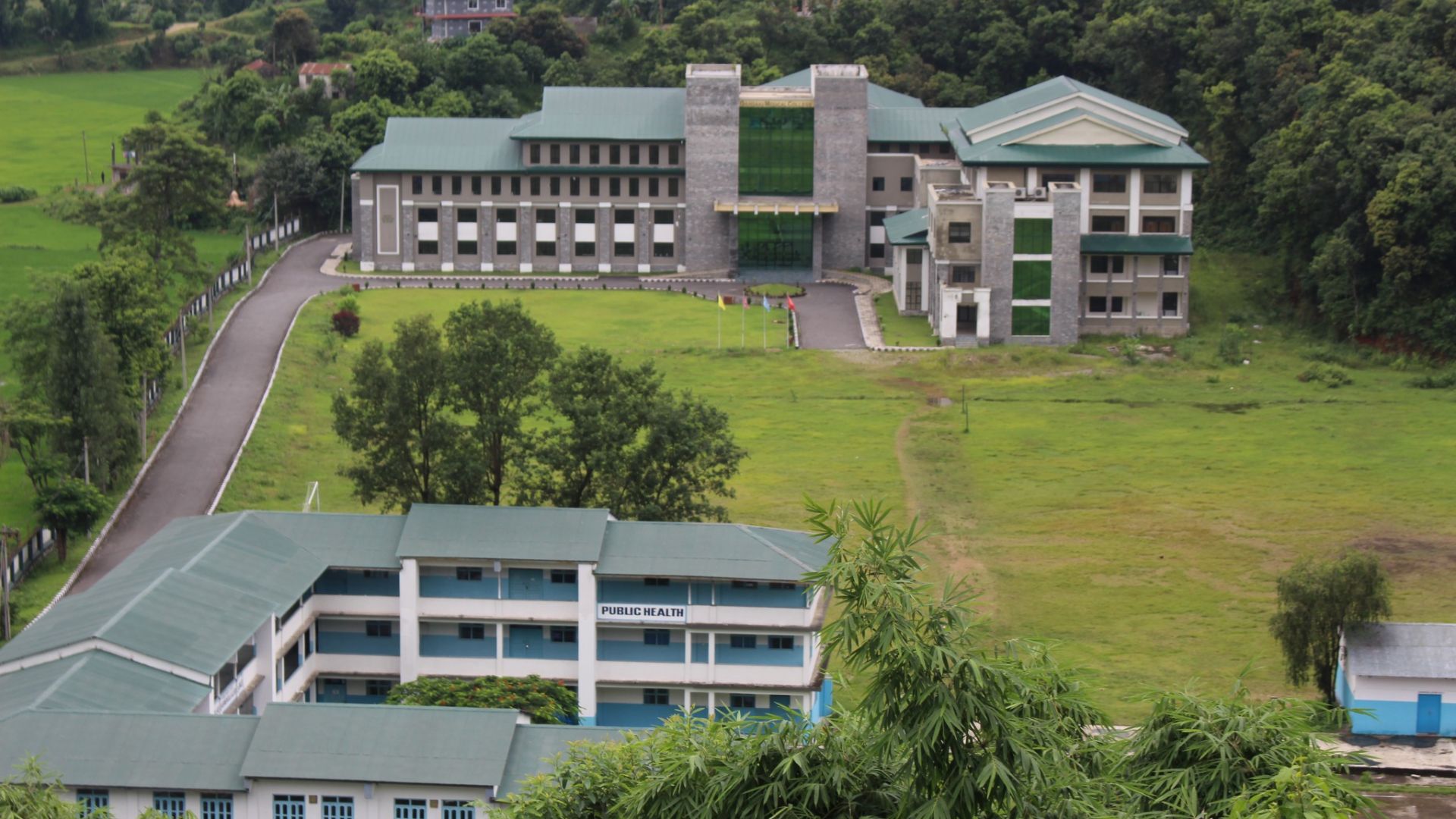
At Gandaki Medical College, the program is delivered within a broader academic and hospital-linked environment that includes medical and health science education, laboratories, library and internet facilities, hostel arrangements, cafeteria services, and student support spaces. This setting supports resident training through supervised patient care, regular academic activities, community exposure, and multidisciplinary learning in a medical college environment.
Offered at Gandaki Medical College Teaching Hospital and Research Centre, Pokhara
Affiliated with Tribhuvan University
Academic level: Postgraduate degree
Duration: 3 years
Entrance examination: MECEE-PG
Full-time residential training
Focused on child health, paediatric emergencies, community child health, research, and teaching
Includes ward responsibility, outpatient services, community clinics, seminars, journal review, and thesis work
Admission follows the postgraduate framework used through the Medical Education Commission
Intended for eligible MBBS graduates or equivalent candidates recognized by the Government of Nepal
The MD Paediatrics program follows a three-year postgraduate residency structure designed to strengthen academic depth, clinical judgment, and leadership in child health. The course is organized around supervised patient care, academic discussion, community-based exposure, specialty unit rotation, and research work. It is intended to prepare residents for secondary and tertiary child health responsibilities as well as broader roles in preventive and promotive child health services.
Key curriculum and training components include:
Full-time residency in the department of child health
Supervised responsibility for assigned patients
Regular case presentations
Weekly topic presentations
Weekly journal article review and discussion
Seminar and symposium participation under faculty supervision
Teaching-learning participation with undergraduate students
Outpatient service responsibilities
Participation in community-based child health clinics
Rotational work in neonatal, intensive care, and other specialty units
Community-based outreach child health learning related to early detection, education, and rehabilitation of disabled children
Thesis work in an area of interest under faculty guidance
Rotational postings across different service and training areas
Prepare skilled child health specialists
Strengthen human resources for child health in Nepal
Develop the ability to diagnose and manage diseases of the paediatric age group independently
Build competence in managing paediatric emergencies
Prepare residents to lead teams providing secondary and tertiary child health care
Develop leadership in preventive and promotive child health services in the community
Support the ability to conceptualize, initiate, and lead research in child health
Prepare residents to plan, implement, and evaluate training for health workers in child health
Build the ability to advise policymakers and administrators on child health programs
The scope of MD Paediatrics extends across clinical child health care, paediatric emergency management, neonatal and intensive care exposure, community child health services, teaching responsibilities, training of health workers, research, and child health program development. It is suited to medical graduates who want structured postgraduate specialization in paediatrics through a university-affiliated residency program.
At Gandaki Medical College, the program is supported by a broader institutional environment linked with medical education and hospital-based learning. This setting helps residents build academic depth, clinical confidence, and service-oriented responsibility while studying in a multidisciplinary health science institution in Pokhara.
Graduates of the MD Paediatrics program are expected to be able to:
Diagnose and manage diseases of the paediatric age group independently
Manage paediatric emergencies effectively
Function as leaders of teams providing secondary and tertiary child health care
Provide leadership in preventive and promotive child health services in the community
Initiate and lead research in the field of child health
Plan, implement, and evaluate training programs for health workers
Advise administrators and policymakers on child health programs
Work responsibly in hospital, clinic, and community child health settings
Clinical management of paediatric illnesses
Paediatric emergency care
Neonatal care exposure
Intensive care unit rotation
Outpatient paediatric services
Community-based child health clinics
Outreach child health services
Early detection and rehabilitation-related child health exposure
Case presentation and academic discussion
Seminar and symposium participation
Journal review and critical discussion
Thesis writing and research work
Undergraduate teaching participation
Training and support for health workers in child health
The program follows a full-time residential training model built around supervised patient care, structured academic participation, community exposure, and resident responsibility. Learning takes place through direct clinical work, rotation through different postings, academic presentation, and research under faculty guidance.
Full-time residency in child health
Supervised care of assigned patients
Regular case presentations
Weekly assigned topic presentation
Weekly journal article review
Seminar and symposium participation
Active involvement in undergraduate teaching-learning activities
Outpatient service duties
Rotational work in neonatal, intensive care, and specialty units
Participation in community and outreach child health clinics
Faculty-guided research and thesis preparation
Graduates of MD Paediatrics may move toward roles such as:
Paediatrician in hospital settings
Child health specialist in secondary and tertiary care services
Neonatal and intensive care-related paediatric roles
Community child health service professional
Academic faculty in paediatrics
Trainer for health workers in child health
Child health program planner and evaluator
Research-oriented professional in paediatrics and child health
Adviser in child health program development and implementation
Admission and selection follow the national postgraduate medical education framework. Candidates are selected through MECEE-PG and the merit-based admission process applied to postgraduate medical programs.
The program is offered under the affiliation of Tribhuvan University
It provides structured postgraduate residency training in child health
The course combines clinical care, academic discussion, community exposure, and research
Residents study in a medical college environment linked with hospital services in Pokhara
Training includes outpatient, neonatal, intensive care, specialty unit, and community clinic experience
The program supports leadership in preventive, promotive, and curative child health services
The college provides library and internet facilities, hostel support, cafeteria services, and a wider health science environment
Admission follows the postgraduate framework used through the Medical Education Commission
Admission to MD Paediatrics at Gandaki Medical College follows the integrated postgraduate admission framework used in Nepal. Selection is based on the common entrance examination and merit process for eligible Nepalese and foreign candidates.
Complete MBBS or an equivalent qualification from an institution recognized by the Government of Nepal
Hold registration with the Nepal Medical Council for Nepalese candidates
Hold registration with the respective medical council of the applicant’s own country for foreign candidates
Complete one year of experience as required under the stated postgraduate eligibility framework
Appear in MECEE-PG
Secure at least 50 percent marks in the entrance examination to be eligible for the merit list
Complete admission through the merit-based counseling and selection process
Applicants selected for admission are required to submit documents consistent with the postgraduate eligibility and admission framework, including:
MBBS or equivalent academic qualification records
Nepal Medical Council registration documents for Nepalese candidates
Medical council registration documents from the applicant’s own country for foreign candidates
Experience-related records where required under eligibility conditions
MECEE-PG-related admission records
Identity documents required during admission
Other records required in the merit-based counseling and admission process
The entrance examination for admission is MECEE-PG. It follows a single best response multiple-choice format with four options for each question. The paper includes 200 questions carrying 200 marks and is conducted over three hours, including a one-time voluntary toilet break after one hour. The cognitive ratio is structured as recall, understanding, and application in the proportion of 30:50:20. Candidates must secure at least 50 percent marks to be eligible for the merit list.
The examination weightage includes clinical sciences, basic medical sciences, community medicine with research methodology, forensic medicine, and questions related to mandatory continuing professional development areas such as medical ethics, rational use of drugs, infection prevention, BLS/ACLS, and communication skills. Paediatrics is included among the clinical subject areas of the entrance structure.
Program evaluation includes formative and summative assessment before the candidate is certified in paediatrics. Residents also conduct research under faculty guidance and are expected to submit the thesis six months ahead of the final examination.
The MD Paediatrics program at Gandaki Medical College offers a structured postgraduate pathway for medical graduates seeking specialist training in child health. Its three-year design combines supervised clinical care, academic presentation, community exposure, specialty unit rotation, teaching participation, and research work within a full-time residential model.
For candidates seeking postgraduate paediatrics education in Pokhara within the Gandaki Medical College Teaching Hospital and Research Centre environment, the program provides a clear route through entrance-based selection, merit-based admission, and advanced academic and clinical development in paediatrics.
The MD Paediatrics program runs for three years.
The program is affiliated with Tribhuvan University.
Admission to MD Paediatrics requires MECEE-PG.
Applicants must have completed MBBS or an equivalent qualification recognized by the Government of Nepal, meet the relevant medical council registration requirement, and complete the required experience condition.
Yes. The program follows a full-time residential residency structure.
Residents take part in ward care, outpatient services, neonatal and intensive care unit rotation, community child health clinics, and outreach child health activities.
Yes. Residents conduct research under faculty guidance and are expected to submit the thesis six months ahead of the final examination.
Graduates may work as paediatricians, child health specialists, academic faculty, trainers, researchers, and child health program leaders.