The MD in Radio Diagnosis program at Gandaki Medical College Teaching Hospital and Research Centre in Pokhara is offered under the affiliation of Tribhuvan University. It is a three-year postgraduate residency program designed for medical graduates who want advanced specialist training in diagnostic radiology and imaging. The program is intended to develop competent radiologists who can independently perform and interpret radiological investigations and imaging studies while maintaining high standards of patient care and safety.
At Gandaki Medical College, the program is positioned within a broader academic and hospital-linked environment that includes medical education, clinical departments, laboratories, library and internet facilities, hostel arrangements, cafeteria services, and student support systems. This setting supports postgraduate learning through structured academic work, supervised imaging practice, research-oriented development, and interdisciplinary clinical interaction in a teaching hospital environment.
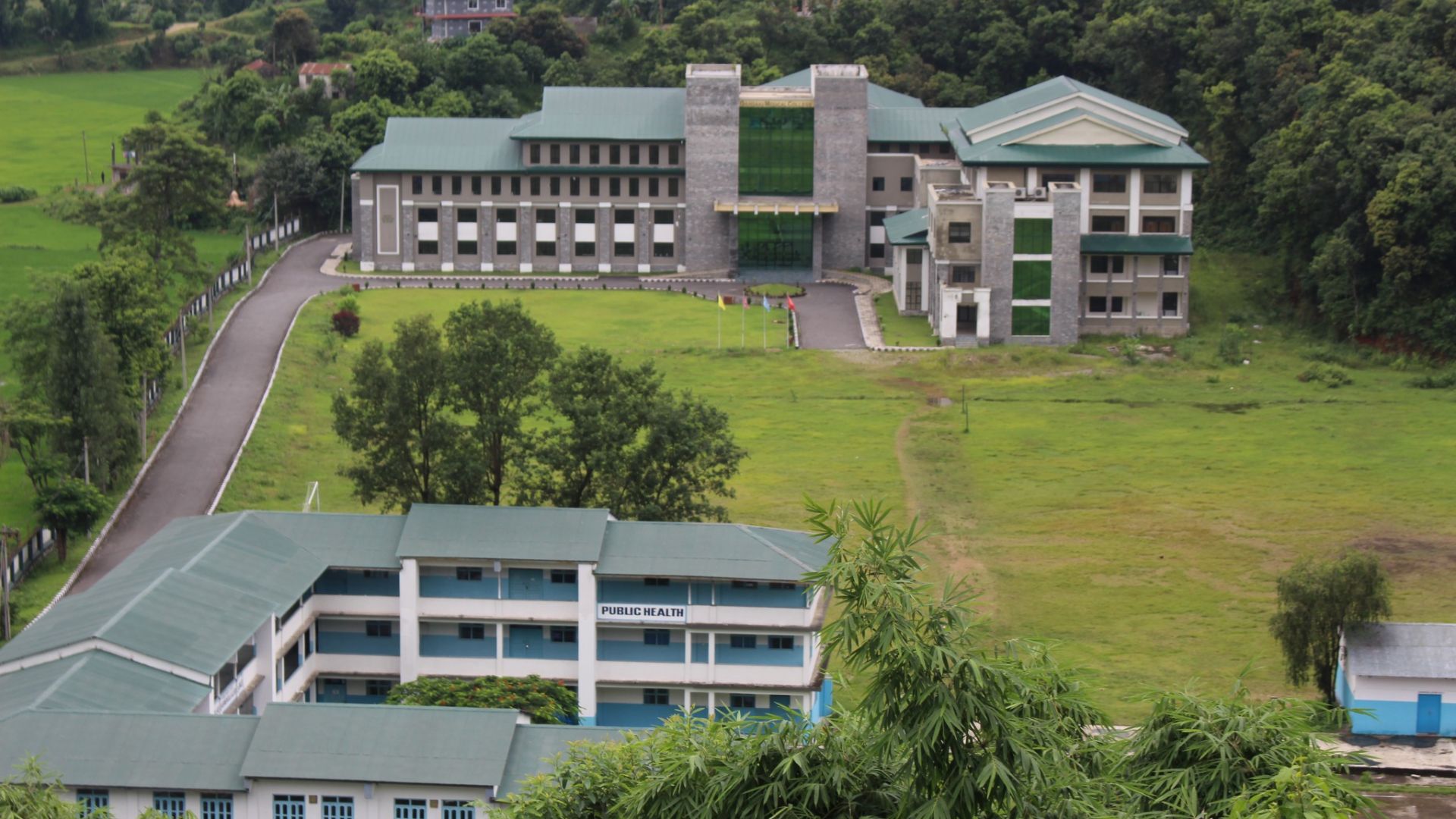
Offered at Gandaki Medical College Teaching Hospital and Research Centre, Pokhara
Affiliated with Tribhuvan University
Academic level: Postgraduate degree
Duration: 3 years
Entrance examination: MECEE-PG
Residency-based specialist training
Focused on diagnostic radiology and imaging studies
Includes anatomy and imaging techniques across major body systems
Covers CT, ultrasonography, MRI, angiography, fluoroscopy, plain radiography, and IVU training
Supports leadership development in radiology and attention to radiological safety
The MD in Radio Diagnosis program follows a three-year postgraduate structure designed to build competence in clinical radiology, radiological sciences, and imaging technology. The course is aimed at preparing residents to work independently in diagnostic imaging while understanding both the scientific principles and practical applications of radiological investigations.
The curricular structure covers anatomy and imaging techniques with reference to:
Central nervous system including skull
Respiratory system
Cardiovascular system
Abdomen
Genitourinary tract system
Musculoskeletal system
Breast imaging
Obstetrics and gynaecology
Neonatology and paediatrics
Lymphatic system
During the second and third years, residents are expected to strengthen their practical and interpretive ability across imaging areas and clinical radiology services. The training includes:
On-call responsibilities after passing the primary examination
Training in nuclear medicine
Paediatric radiology
Obstetrics and gynaecology radiology
Neuroradiology
Interventional radiology suite exposure
Training in CT, ultrasonography, MRI, and angiography
Reporting in accident and emergency settings
Fluoroscopy
Plain radiography
IVU
Clinical radiological meetings and conferences
Teaching presentations and academic talks
Pathology knowledge relevant to imaging modalities
Contribute to quality radiological services through the preparation of skilled radiologists
Develop competence to independently perform and interpret radiological investigations and imaging studies
Build sound understanding of radiological sciences and technology
Strengthen awareness of radiological hazards
Prepare residents to minimize and prevent risk associated with radiological investigations
Develop leadership capacity in the field of radiology
Support academic and professional growth in clinical radiology
The scope of MD in Radio Diagnosis extends across clinical imaging, interpretation of radiological studies, imaging-based diagnosis, radiological safety, emergency reporting, subspecialty radiology exposure, academic discussion, and leadership within diagnostic services. It is suited to medical graduates who want structured postgraduate specialization in radiology through a university-affiliated residency pathway.
At Gandaki Medical College, this scope is supported by a teaching hospital environment connected with broader medical education. The program is relevant for candidates who want to work in modern imaging services, contribute to quality diagnosis, participate in academic radiology, and build specialist competence in a field that has expanded rapidly with technological progress.
Graduates of the program are expected to be able to:
Independently perform radiological investigations and imaging studies
Interpret imaging findings with clinical relevance
Apply sound understanding of radiological science and technology in practice
Recognize radiological hazards and minimize associated risks
Function effectively in diagnostic radiology services
Participate in clinical radiological meetings, conferences, and teaching activities
Provide leadership in the field of radiology
Imaging anatomy across major body systems
Diagnostic radiology interpretation
Nuclear medicine exposure
Paediatric radiology
Obstetrics and gynaecology radiology
Neuroradiology
Interventional radiology suite exposure
CT imaging
Ultrasonography
MRI
Angiography
Fluoroscopy
Plain radiography
IVU
Accident and emergency reporting
Presentation and academic discussion skills
Radiological safety and hazard awareness
The program follows a residency-based postgraduate format that combines academic learning with supervised imaging practice, clinical meetings, conference participation, and progressive responsibility in reporting and imaging procedures. Residents are expected to build competence through direct engagement with imaging services and regular academic participation.
Residency-based specialist training
Supervised clinical imaging practice
On-call responsibility during later training
Training across major imaging modalities
Participation in clinical radiological meetings
Conference attendance and academic discussion
Teaching talks and presentations
Pathology study linked to current imaging modalities
Graduates of MD in Radio Diagnosis may move toward roles such as:
Radiologist
Diagnostic imaging specialist
Hospital-based imaging consultant
Specialist in CT, MRI, ultrasonography, and angiographic imaging services
Academic faculty in radiology
Clinical trainer in radiology education
Research-oriented professional in imaging sciences
Radiology service leader in hospital settings
Admission and selection follow the national postgraduate medical education framework. Candidates are required to qualify through MECEE-PG and the merit-based admission process applied to postgraduate medical programs.
The program is offered under the affiliation of Tribhuvan University
It provides structured postgraduate residency training in diagnostic radiology
The course combines imaging science, clinical radiology, technology, and safety
Residents study in a teaching hospital environment in Pokhara
Training includes CT, ultrasonography, MRI, angiography, fluoroscopy, plain radiography, and IVU
The program supports academic discussion, conference participation, and teaching development
The college supports learning through laboratories, library and internet facilities, hostel arrangements, cafeteria services, and student support systems
Admission follows the postgraduate framework used through the Medical Education Commission
Admission to MD in Radio Diagnosis at Gandaki Medical College follows the integrated postgraduate admission framework used in Nepal.
Complete MBBS or an equivalent qualification from an institution recognized by the Government of Nepal
Hold registration with the Nepal Medical Council
Foreign candidates must hold registration with the respective medical council of their own country
Complete one year of experience, except for the stated excluded categories
Appear in MECEE-PG
Secure at least 50 percent marks in the entrance examination to be eligible for the merit list
Complete admission through the merit-based selection process
Applicants selected for admission are required to submit documents consistent with the postgraduate eligibility and admission framework, including:
MBBS or equivalent academic qualification records
Nepal Medical Council registration documents
Medical council registration documents for foreign candidates
Experience-related records where required
MECEE-PG-related admission records
Identity documents required during admission processing
The entrance examination for admission is MECEE-PG. It follows a single best response multiple-choice format with four options for each question. The paper includes 200 questions and is conducted over three hours, including a one-time voluntary toilet break after one hour. The cognitive ratio is structured as recall, understanding, and application in the proportion of 30:50:20. Candidates must secure at least 50 percent marks to be eligible for the merit list.
The entrance weightage includes clinical sciences, basic medical sciences, community medicine with research methodology, forensic medicine, and mandatory continuing professional development areas such as medical ethics, rational use of drugs, infection prevention, BLS/ACLS, and communication skills. Radiology carries a defined weight within the clinical section of the entrance structure.
The academic progression of the course includes primary examination requirements, later on-call responsibilities, supervised imaging work, and continued participation in teaching and academic activities. Residents are also expected to take part in clinical radiological meetings and conferences during training.
The MD in Radio Diagnosis program at Gandaki Medical College offers a structured postgraduate pathway for medical graduates seeking specialist training in diagnostic radiology and imaging. Its three-year design combines radiological science, imaging technology, supervised clinical practice, academic development, and radiological safety awareness within a residency-based model.
For candidates seeking postgraduate radiology education in Pokhara within the Gandaki Medical College Teaching Hospital and Research Centre environment, the program provides a clear route through entrance-based selection, merit-based admission, and specialist academic and clinical development in radio diagnosis.
The program runs for three years.
The program is affiliated with Tribhuvan University.
Admission to the program requires MECEE-PG.
Applicants must have completed MBBS or an equivalent qualification recognized by the Government of Nepal, hold the required medical council registration, and meet the applicable experience condition.
The training covers imaging related to the central nervous system, respiratory system, cardiovascular system, abdomen, genitourinary tract, musculoskeletal system, breast, obstetrics and gynaecology, neonatology and paediatrics, and the lymphatic system.
The program includes training in CT, ultrasonography, MRI, angiography, fluoroscopy, plain radiography, and IVU.
Yes. Trainees who have passed the primary examination are required to take part in on-call arrangements during their postings.
Graduates may work as radiologists, imaging specialists, academic faculty, clinical trainers, and research-oriented professionals in radiology services.