The Certificate in Medical Laboratory Technology (CMLT) at Yeti Health Science Academy (YHSA), Kathmandu is a three-year health science program under the yearly system. It follows the curriculum of the Council for Technical Education and Vocational Training (CTEVT) and prepares middle-level laboratory personnel for clinical and diagnostic laboratory work.
Study begins with basic science and foundational learning, moves into major medical laboratory disciplines, and concludes with advanced laboratory subjects and clinical practice in hospital and laboratory settings.
| Particular | Details |
|---|---|
| Course: | Certificate in Medical Laboratory Technology (CMLT) |
| College: | Yeti Health Science Academy, Maharajgunj, Kathmandu |
| Academic body: | CTEVT |
| Duration: | 3 academic years |
| System: | Yearly |
| Medium: | English and/or Nepali |
| Entrance: | CTEVT entrance examination |
| Minimum attendance: | 90% in each subject |
The program follows the academic framework of the Council for Technical Education and Vocational Training (CTEVT), including applicable provisions for curriculum, admission, scholarship, examination, certification, and academic administration.
Applicants can enter through either of the following academic routes:
SLC or SEE or equivalent with a minimum GPA of 2.0 and grades in Compulsory Mathematics, English, and Science; or
TSLC in Medical Laboratory Technology with a minimum of 68.33%.
Applicants must also pass the entrance examination administered by CTEVT.
The CTEVT curriculum sets a maximum group size of 30 students in a batch.
CMLT runs for three academic years under the yearly system. One academic year consists of up to 35 weeks, with an academic week of up to 40 hours excluding the evaluation period. The medium of instruction is English and/or Nepali.
Teaching combines classroom and practical methods. Students encounter lectures, discussions, demonstrations, simulation, guided practice, laboratory exercises, fieldwork, report writing, experiments, and independent learning activities.
The curriculum is arranged so that students move from scientific foundations into laboratory-specific subjects and then into clinical application.
The first year concentrates on basic science and foundational subjects required for later medical laboratory study.
The second year introduces the main laboratory disciplines through both theory and practical work:
Clinical Microbiology and Immunology
Hematology and Blood Banking
Clinical Biochemistry
Medical Parasitology
Clinical Pathology
Public Health and First Aid
These subjects develop knowledge of specimen handling, laboratory procedures, diagnostic testing, laboratory principles, and practical techniques used across different sections of a clinical laboratory.
Third-year study moves further into laboratory application through:
Histopathology and Cytopathology
Automation in Clinical Laboratory
Clinical Laboratory Management
Clinical Practicum I: Microbiology and Parasitology
Clinical Practicum II: Hematology and Blood Banking
Clinical Practicum III: Biochemistry, Histopathology and Cytopathology
Clinical practice is conducted in hospital and laboratory settings. Students work under supervision, maintain practical records or logbooks, and apply procedures learned during institution-based study.
CMLT training covers routine and selected special laboratory investigations on clinical and non-clinical samples. Students learn to prepare reagents, carry out laboratory procedures, interpret test results within the scope of their training, maintain laboratory instruments, apply quality-control practices, prepare reports, and work with laboratory management procedures.
Clinical practice covers major areas such as microbiology, parasitology, hematology, blood banking, biochemistry, histopathology, and cytopathology. Students are expected to perform assigned procedures under departmental supervision and maintain signed practical records during clinical posting.
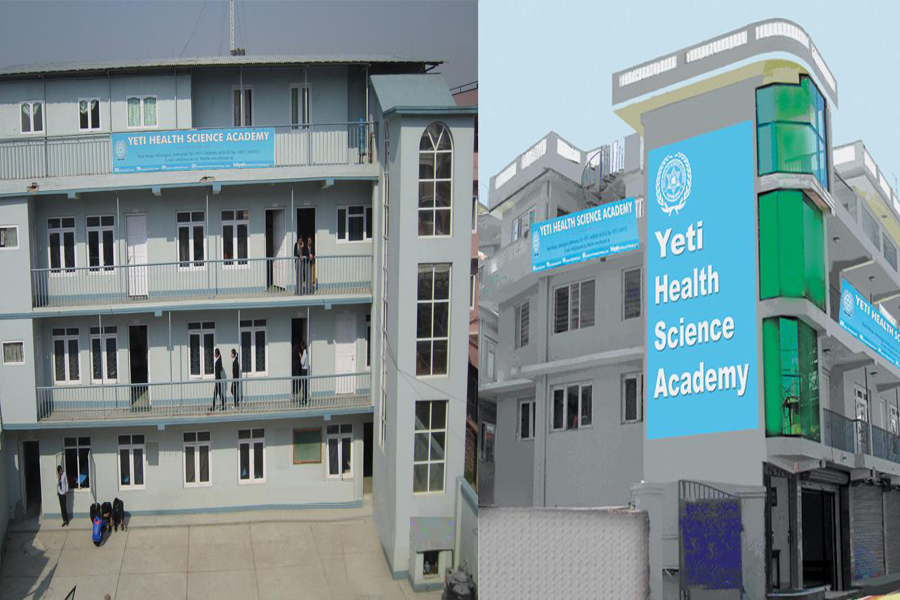
At YHSA, learning related to CMLT is supported by laboratory facilities in biochemistry, microbiology, parasitology, hematology, and histopathology. The academy also has classrooms, a library, and a computer laboratory with internet and Wi-Fi facilities.
Students need a minimum of 90% attendance in each subject to appear in the respective final examination. The same attendance requirement applies to clinical practice postings.
Assessment includes theory and practical components, with continuous and final assessment incorporated into the curriculum structure. Clinical practicum assessment includes evaluation by the health-facility supervisor together with internal and final evaluation components.
A student who passes all components of all subjects across the three academic years is considered to have completed the program and is awarded the Certificate in Medical Laboratory Technology.
The CMLT curriculum is linked with the professional regulatory framework for health professionals. Graduates entering regulated laboratory practice must meet the prevailing registration and licensing requirements of the Nepal Health Professional Council (NHPC), including the applicable professional licensing examination.
Professional registration is separate from academic completion and follows the council provisions in force when the graduate enters the profession.
CMLT graduates may work in settings connected with medical laboratory services, subject to professional registration, recruitment requirements, and the nature of the position.
The curriculum identifies possible work settings such as:
Hospitals
Diagnostic laboratories
Clinics
Blood banks
Research centres
Laboratory-related industry
Physicians' offices
Crime investigation laboratories
The course is centered on laboratory testing and practical procedures that support diagnostic, preventive, curative, and promotive health services.
CMLT is a three-year program conducted under the yearly system.
Applicants need SLC/SEE or equivalent with a minimum GPA of 2.0 and grades in Compulsory Mathematics, English, and Science, or TSLC in Medical Laboratory Technology with at least 68.33%.
Yes. Applicants must pass the entrance examination administered by CTEVT.
Major laboratory subjects include Clinical Microbiology and Immunology, Hematology and Blood Banking, Clinical Biochemistry, Medical Parasitology, Clinical Pathology, Histopathology and Cytopathology, laboratory automation, and Clinical Laboratory Management.
Yes. Third-year clinical practice covers microbiology and parasitology, hematology and blood banking, and biochemistry, histopathology and cytopathology in hospital and laboratory settings.
Students must maintain at least 90% attendance in each subject to appear in the respective final examination.
Graduates entering regulated professional practice must meet the applicable registration and licensing requirements of the Nepal Health Professional Council.


.png)