The Post-Basic Bachelor of Nursing Science (PBNS) at Yeti Health Science Academy (YHSA), Kathmandu is a three-year bachelor-level nursing program affiliated with Purbanchal University. It is intended for nurses who have already completed Proficiency Certificate Level or Diploma in Nursing and are registered with the Nepal Nursing Council.
PBNS builds on prior nursing education through advanced nursing subjects, clinical practice, community health, education, management, research, and specialized nursing study. The curriculum includes elective study in Community Health Nursing, Midwifery, Medical-Surgical Nursing, or Psychiatric Nursing.
| Particular | Details |
|---|---|
| Course: | Post-Basic Bachelor of Nursing Science (PBNS) |
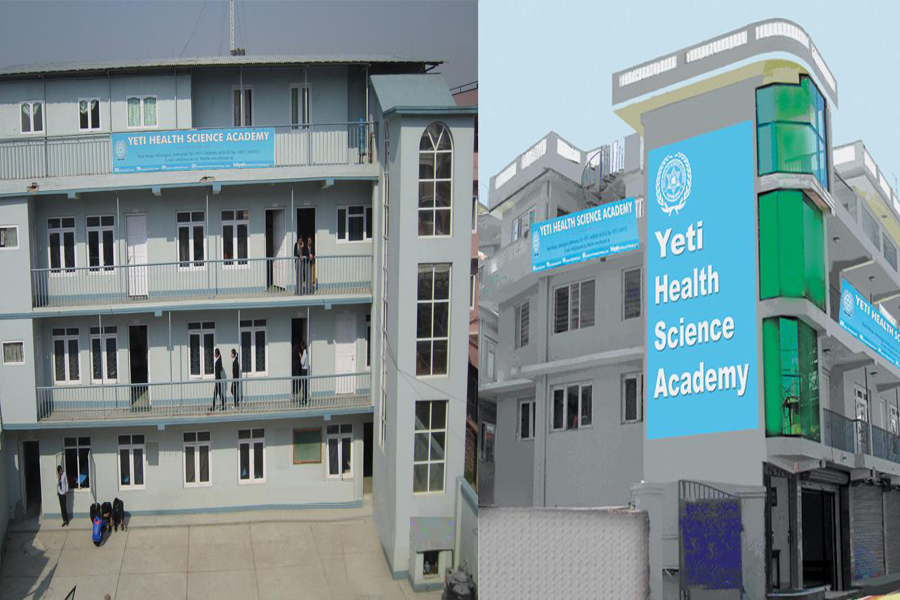
| College: | Yeti Health Science Academy, Maharajgunj, Kathmandu |
| Affiliation: | Purbanchal University |
| Duration: | 3 academic years |
| Medium: | English |
| Level: | Bachelor |
| Admission entrance: | MECEE-BL under prevailing MEC provisions |
Applicants must have completed Proficiency Certificate Level or Diploma in Nursing with at least 50% aggregate marks and must be registered with the Nepal Nursing Council. They are also required to be physically and mentally fit.
As a post-basic nursing program, PBNS is structured for applicants who already have formal nursing education rather than students entering nursing directly after Grade 12.
Admission to PBNS follows MECEE-BL and the prevailing bachelor-level medical education admission provisions of the Medical Education Commission (MEC), Nepal.
The applicable MEC framework governs entrance procedures, scholarships, seat allocation, fee structure, admission procedures, and related provisions. Seat numbers are determined for the relevant academic year and may change between admission cycles. Scholarship arrangements, fees, admission schedules, and other requirements are also subject to the applicable MEC decisions and academic calendar.
The admission requirements include:
Photocopies of SLC and PCL Nursing mark sheets and character certificates
Photocopies of the migration and provisional certificates for PCL Nursing
Photocopy of citizenship certificate
Six passport-size photographs
Completed admission form
The three academic years move from nursing science foundations and clinical nursing into specialized practice, management, research, and elective study.
| Year | Main areas of study |
|---|---|
| First Year | Basic sciences, Medical-Surgical Nursing, Nursing Concepts and Theories, Pediatric Nursing, Professional English |
| Second Year | Midwifery, Community Health Nursing, Psychiatric Nursing, Educational Science, Epidemiology, Geriatric Nursing, Applied Computer Technology |
| Third Year | Leadership and Management, Research and Biostatistics in Nursing, Oncology Nursing, Elective Nursing Subject |
The first year includes Anatomy and Physiology, Pharmacology, Pathophysiology, Microbiology and Parasitology, Biochemistry, Nutrition and Dietetics, Basic Science and Nutrition Practice, Medical-Surgical Nursing-I, Nursing Concepts and Theories, Pediatric Nursing, Medical Sociology and Anthropology, and Professional English.
Practical learning includes medical-surgical nursing, pediatric nursing, basic science and nutrition practice, and laboratory exposure involving microbiology, parasitology, and biochemistry. Clinical practice is linked with general and children's hospital settings.
Second-year study covers Midwifery-I, Community Health Nursing-I, Psychiatric Nursing-I, Educational Science, Epidemiology, Geriatric Nursing, and Applied Computer Technology. Midwifery, community health, psychiatric nursing, educational science, and geriatric nursing include practical components.
Clinical and field practice may take place in maternity, specialty, and mental health settings, senior citizen care settings, nursing educational institutions, and community health services. Community practicum includes exposure to health offices, primary health care centres, health posts, and selected communities.
The final year focuses on Leadership and Management, Research and Biostatistics in Nursing, Oncology Nursing, and an elective nursing area.
Students select from:
Community Health Nursing-II
Midwifery-II
Medical-Surgical Nursing-II
Psychiatric Nursing-II
The elective is supported by an extended practicum. Third-year practical work also covers management, oncology-related clinical practice, and research involving proposal preparation, research work, and report writing.
The Purbanchal University PBNS curriculum combines lectures with group discussion, demonstration, observation, assignments, individual and group presentations, practical assignments, observation visits, term papers, self-directed study, and problem-based learning.
At YHSA, nursing education is supported by classrooms, laboratory facilities, library resources, a computer laboratory with internet and Wi-Fi, and clinical exposure. The academy conducts clinical posting at Green City Hospital and also uses other hospital settings for student clinical learning.
PBNS assessment includes internal assessment and final examinations.
For theory courses, internal assessment carries 20% and the final written examination carries 80%. Practical assessment is primarily internal, while the major elective subject includes a final practical examination component.
The curriculum schedules subject study blocks and clinical practice across all three academic years, with dedicated periods for revision and final examinations.
Through the academic and practical components of PBNS, students work on nursing care, health-program planning, communication, community participation, nursing-service management, teaching, research, and specialty nursing practice.
The program also develops experience in problem identification, planning, evaluation, professional education, leadership, research activity, and clinical or community-based nursing services.
PBNS graduates may pursue nursing responsibilities within hospitals, community health services, academic institutions, governmental health agencies, and non-governmental health organizations. The particular roles available depend on professional registration requirements, experience, specialization, recruitment criteria, and the employing institution.
Applicants to PBNS are already required to hold Nepal Nursing Council registration. Professional practice and any subsequent registration requirements remain subject to the prevailing rules of the council.
Key Entities: Post-Basic Bachelor of Nursing Science, Yeti Health Science Academy, Purbanchal University, Medical Education Commission, MECEE-BL, Nepal Nursing Council, Maharajgunj, Kathmandu
Search Intent: Informational and admission-related
Content Category: Course Profile / Nursing Education
Sentiment: Informational