




14 Educational Consultancy Associations Oppose New Regulations 2083 and Announce Protests with Nine-Point Demands
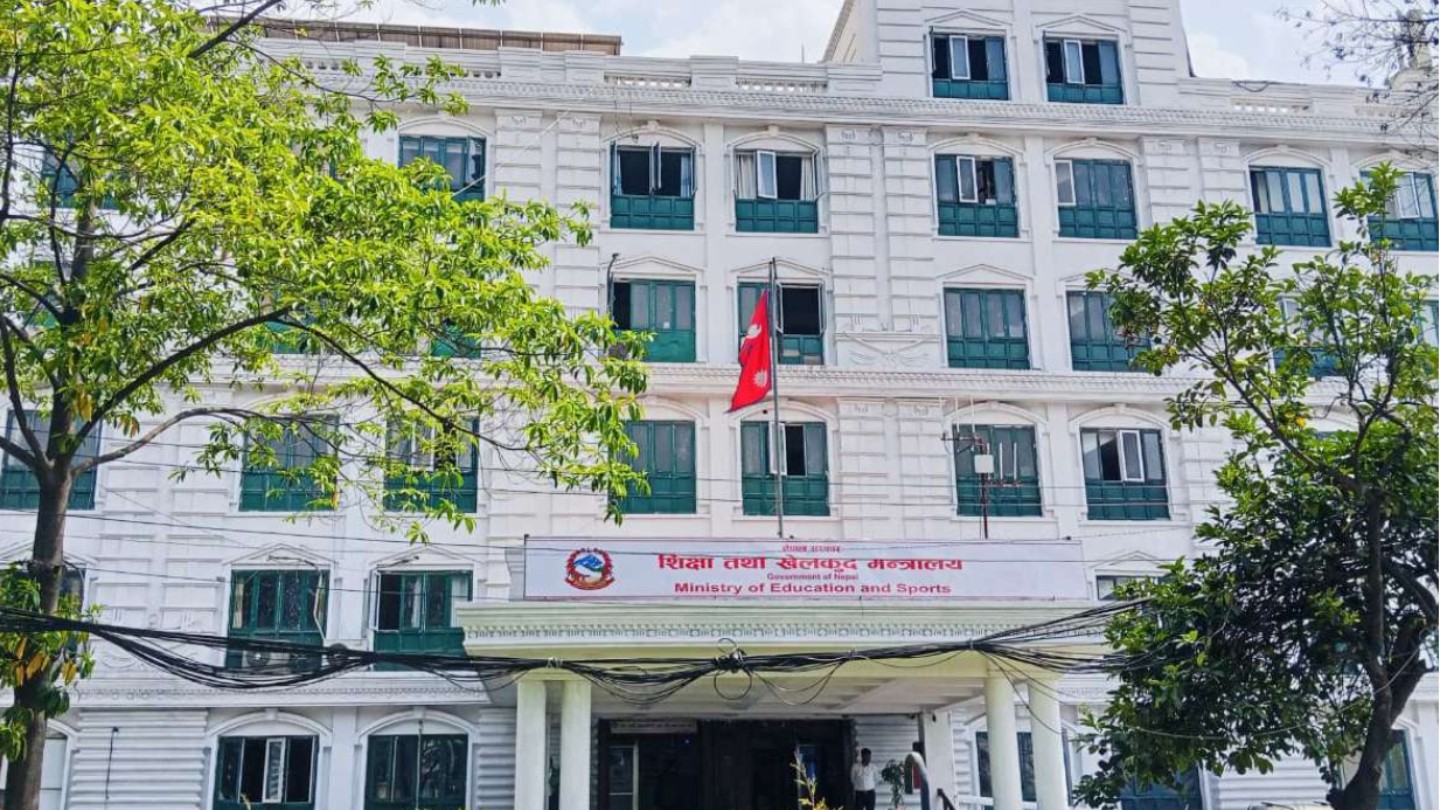
Fourteen umbrella associations and organizations active in the educational consultancy sector have raised serious objections to the “Educational Consultancy, Language Teaching and Preparation Classes (Operation and Management) Regulations, 2083,” implemented by the Ministry of Education and Sports. In a joint press statement, they warned that they would launch phased protest programmes, including street protests, unless the provisions of the Regulations are amended.
According to the statement, the businesses are not opposed to regulation. They want regulation that is lawful, systematic, transparent, and student-friendly. However, they collectively concluded that the new Regulations impose excessive controls, unequal financial liabilities, overlapping jurisdictions, administrative complexity, and ambiguous legal provisions. The businesses pointed out that these provisions risk weakening legally operating institutions, discouraging private investment, and ultimately affecting students and parents.
Seven Major Objections to the Regulations
The joint statement presents the following major objections to the Regulations:
1. Impractical Security Deposit Provision
The associations stated that requiring a large security deposit does not guarantee student protection or quality services and that the provision is neither fair nor scientifically justified. They said that an effective insurance system, legal liability provision, or compensation mechanism should be introduced instead of a security deposit.
2. Excessive Administrative Control and Complex Procedures
The Regulations introduce unnecessary administrative controls, duplicate procedures, and additional burdens instead of facilitating service delivery. The associations have demanded that all services be provided through a single-window system.
3. Ambiguous Legal Provisions and Risk of Arbitrary Interpretation
The associations stated that ambiguous legal language increases the risk of different interpretations by different authorities and arbitrary decision-making.
4. Lack of Alignment with the Federal Structure and Practical Implementation
The jurisdictions of the federal, provincial, and local levels have not been clearly defined in a manner consistent with Nepal’s current federal governance structure and provincial practices. The associations said this could create duplicate procedures and legal confusion.
5. Lack of Adequate Consultation with Stakeholders
The Regulations were introduced with serious policy weaknesses without adequate consultation with experts, businesses, and parents.
6. No Distinction Between Legal Institutions and Illegal Activities
The associations complained that the Regulations do not clearly distinguish between legally operating institutions approved by the government and illegal or unauthorized agents operating digitally or through representatives.
7. Institutional Classification and Renewal Provisions
The associations stated that an unclear grading system would increase unhealthy competition and administrative discrimination. They maintained that a grading system is unnecessary for educational consultancy institutions and that the renewal period should be five years.
Nine-Point Joint Demands Submitted to the Government of Nepal
The businesses have presented the following nine demands to the government:
-
The impractical security deposit provision should be completely removed.
-
An appropriate insurance, compensation, and protection system should be introduced instead of a security deposit to protect students’ safety and financial interests.
-
All disputed provisions that are against the interests of students, parents, businesses, private investment, employment, and the nation should be amended immediately.
-
Implementation of the Regulations should be suspended, and an immediate review should begin to prevent potential negative effects arising from their implementation.
-
A high-level policy dialogue should be initiated with all stakeholders active in the educational consultancy sector.
-
The Regulations should be amended to align with the Constitution of Nepal, prevailing laws, the federal governance system, and international practices.
-
All procedures, including licensing, renewal, and branch approval, should be operated through a single-window system with clearly assigned responsibilities.
-
Government-approved institutions should be protected, and effective action should be taken against illegal online consultancy activities.
-
The renewal period should be maintained at five years, and practical building standards should be implemented.
Joint Campaign and Protest Programmes
Warning that they would launch phased protests if their demands were not addressed, the associations and organizations announced the following programmes:
-
Conduct a nationwide signature campaign demanding amendments to the disputed provisions of the Regulations.
-
Consult legal experts and pursue appropriate administrative and judicial procedures for necessary legal remedies.
-
Conduct social media and public awareness campaigns to provide fact-based information about the actual effects of the Regulations.
-
Coordinate with organizations including the Federation of Nepalese Chambers of Commerce and Industry (FNCCI), the Confederation of Nepalese Industries (CNI), and the Nepal Chamber of Commerce to facilitate and protect the private sector.
-
Cooperate with other business associations, organizations, and bodies to form a common front against policies that discourage the private sector.
-
Announce peaceful, dignified, and lawful protest programmes as necessary.
-
If the demands remain unaddressed after the various phases of the campaign, close institutions providing educational consultancy services, hand over their keys to the government, and launch street protests.
Expressing a joint commitment, the organizations made it clear that they would not accept impractical and control-oriented regulation.
The joint press statement was signed by the presidents and representatives of FECE Nepal, ECAN, FECON, JALSAN, EPCAN, KECAN, AECAN, AAERI Nepal, IERIN, NAAER, NECA, NEBA, NECSA, and Non Member Consultant.




Comments 0
No comments yet. Be the first to start the conversation.