



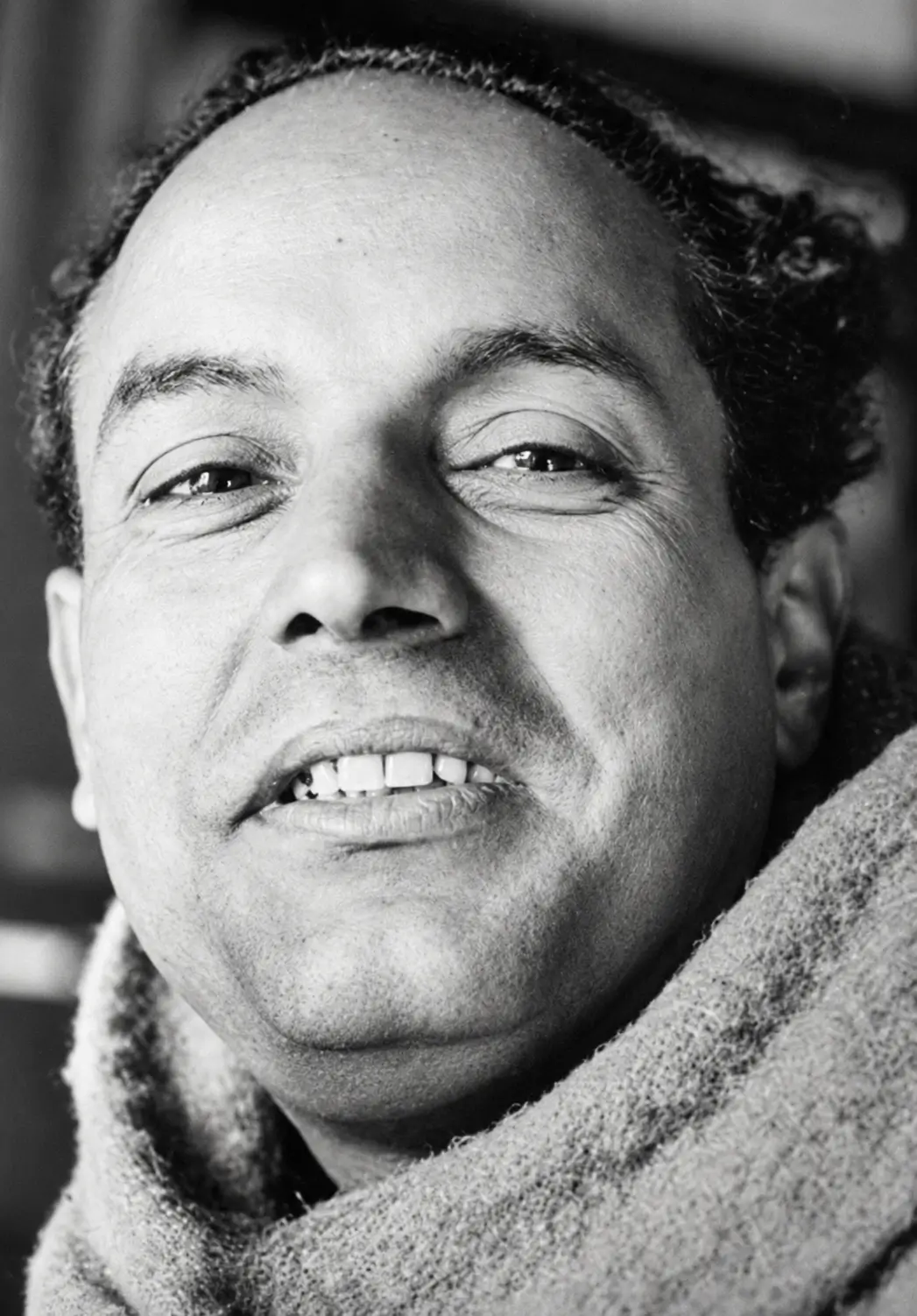
Laxmi Prasad Devkota (BS 1966–2016) was a Nepali poet, essayist, playwright, novelist, translator, educator, and literary figure widely known as Mahakavi, or Great Poet. He made significant contributions to the development of Romantic poetry, epic literature, the use of folk rhythms, and the expression of humanist ideas in Nepali literature.
Born on Kartik 27, 1966 BS (November 12, 1909), in Dhobidhara, Kathmandu, Devkota wrote across several literary genres, including poetry, narrative poems, epics, essays, short stories, novels, and plays. His major works include Muna Madan, Shakuntal, Sulochana, Pramithas, Kunjini, Bhikhari, Laxmi Nibandha Sangraha, and Champa.
Beyond literature, Devkota was active in teaching, translation, journalism, and public service. He participated in the democratic movement against the Rana regime and edited Yugvani, a weekly newspaper published from Banaras, India. He was also a member of the commission formed to prepare for the establishment of Tribhuvan University and one of the early academic members of Nepal Academy.
In BS 2014, he served as Minister of Education and Self-Government in the cabinet led by Dr. K. I. Singh.
Devkota died on Bhadra 29, 2016 BS (September 14, 1959), at Pashupati Aryaghat in Kathmandu. His literary works and ideas remain important to the study of Nepali language, literature, and culture.
Laxmi Prasad Devkota: Biography at a Glance
|
Particulars |
Details |
|---|---|
|
Full Name |
Laxmi Prasad Devkota |
|
Name Given at Naming Ceremony |
Tirtha Madhav Devkota |
|
Literary Title |
Mahakavi (Great Poet) |
|
Date of Birth |
Kartik 27, 1966 BS (November 12, 1909) |
|
Place of Birth |
Dhobidhara, Dillibazar, Kathmandu |
|
Date of Death |
Bhadra 29, 2016 BS (September 14, 1959) |
|
Place of Death |
Pashupati Aryaghat, Kathmandu |
|
Father |
Pandit Til Madhav Devkota |
|
Mother |
Amar Rajya Laxmi Devi |
|
Spouse |
Mandevi Chalise |
|
Educational Qualifications |
BA and BL |
|
Educational Institutions |
Durbar High School, Tri-Chandra College, and Patna University |
|
Major Fields |
Literature, teaching, translation, editing, and public service |
|
Public Office |
Minister of Education and Self-Government (BS 2014) |
|
Literary Characteristics |
Romanticism, humanism, and social consciousness |
|
Major Narrative Poems |
Muna Madan, Kunjini, Luni, Mhend(u) |
|
Major Epics |
Shakuntal, Sulochana, Maharana Pratap, Vankusum, Pramithas, Prithviraj Chauhan |
|
Major Essay Collection |
Laxmi Nibandha Sangraha |
|
Major Novel |
Champa |
|
Major Award |
Tribhuvan Pragya Puraskar (BS 2023, posthumously) |
Birth, Family Background and Childhood
Laxmi Prasad Devkota was born on Friday, Kartik 27, 1966 BS, on the day of Laxmi Puja during Tihar, in Dhobidhara, Dillibazar, Kathmandu.
He was the son of Pandit Til Madhav Devkota and Amar Rajya Laxmi Devi. Because he was born on Laxmi Puja, he was named Laxmi Prasad. His name given during the traditional naming ceremony was Tirtha Madhav Devkota.
His father was a scholar of Sanskrit. The family maintained an environment in which Sanskrit literature, verses, and religious scriptures were studied. This background helped develop Devkota's interest in language and literature from childhood.
He received his early education at home. After learning Sanskrit language and literature from his father, he entered formal schooling.
Devkota began writing poetry at approximately 10 years of age. Biographical accounts mention that, even as a child, he composed metrical poems reflecting on the temporary nature of human life and the suffering found in the world.
Nepal was under Rana rule during his childhood. Opportunities for formal education were limited for the general population. Despite these circumstances, his family provided him with an opportunity to attend school.
Education of Laxmi Prasad Devkota
Laxmi Prasad Devkota received his school education at Durbar High School and later pursued higher studies at Tri-Chandra College and through Patna University.
Education at Durbar High School
After receiving his early education at home, Devkota began studying at Durbar High School in Kathmandu.
At school, he studied Nepali, Sanskrit, and English. His interest in English literature also developed during this period.
At the time, Nepal had limited facilities for higher secondary and university education. Students depended on the examination system associated with Patna University in India for their final school examinations.
Devkota also passed the matriculation examination under Patna University.
Higher Education at Tri-Chandra College
After passing matriculation, Devkota enrolled at Tri-Chandra College.
He initially studied science before continuing his education in the humanities and completing his bachelor's degree.
During his college years, Devkota studied various works of English literature alongside Nepali and Sanskrit literature.
He became familiar with the literary characteristics of English Romantic poets such as William Wordsworth, Percy Bysshe Shelley, John Keats, and Lord Byron.
His study of Eastern literary traditions and Western Romantic ideas appears to have influenced the development of his literary outlook.
Law Studies at Patna University
After completing his bachelor's degree, Devkota travelled to Patna, India, for further studies.
He had wanted to pursue postgraduate studies in English literature. However, he studied law and obtained a Bachelor of Law (BL) degree.
His plan to complete a postgraduate degree in English literature could not be fulfilled because of financial and family circumstances.
His exposure to science, humanities, law, and literature is also reflected in his writings. His works address subjects associated with philosophy, society, science, culture, and human life.
Devkota's Involvement in the Library Movement
In BS 1987, Laxmi Prasad Devkota faced action by the Rana government for his involvement in an attempt to establish a public library. This incident is known in Nepal's educational history as the Library Parva, or Library Incident.
At that time, public access to libraries and reading materials was limited. Devkota and other education-minded young people attempted to establish a library to improve this situation.
In BS 1987, approximately 45 young people, including Dharma Raj Thapaliya and Laxmi Prasad Devkota, initiated efforts to open a public library through Saraswati Guthi.
The Rana administration viewed the initiative with political suspicion. Those involved in the attempt to establish the library faced government action.
Devkota and the other participants were each fined Rs. 100.
The incident illustrates the political restrictions faced by initiatives supporting education, public libraries, and intellectual activities during the Rana period.
Devkota's involvement in the Library Parva represents an important aspect of his educational and social awareness beyond his literary career.
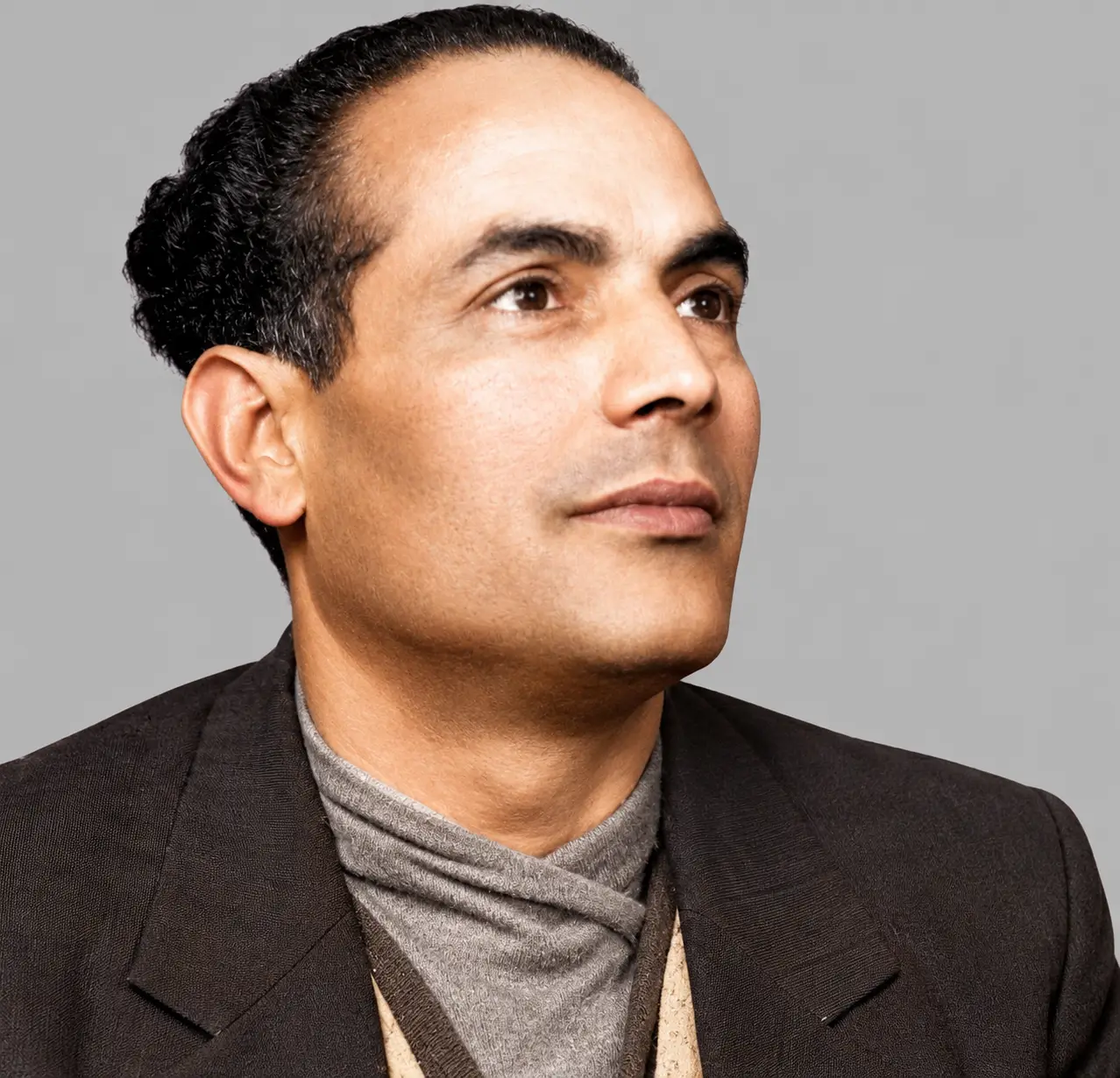
Beginning of His Literary Career
Although Laxmi Prasad Devkota began writing during childhood, his works started appearing regularly in public publications after BS 1991.
Among his notable early published poems were Purnimako Jaladhi and Garib.
Purnimako Jaladhi was published in Gorkhapatra in Mangsir 1991 BS. Similarly, Garib was associated with the Falgun 1991 BS issue of Sharada magazine.
During that period, literary magazines such as Sharada provided Nepali writers with opportunities to publish poems, stories, essays, and other literary works.
Devkota continued his literary writing through these publications.
His early poems explored themes of nature, philosophy of life, human emotions, and social issues.
The publication of Muna Madan in BS 1992 further expanded Devkota's literary reputation. The work gave an important literary form to Nepali narrative poetry based on folk rhythms.
According to the records of the Madan Puraskar Pustakalaya, the first edition of Muna Madan was published in Chaitra 1992 BS.
Professional Career and Teaching
Alongside literary writing, Devkota worked in teaching, translation, and editing.
After completing his studies, he provided private tuition to support his family. He continued writing literature while taking up teaching as a means of earning a living.
Work at the Nepali Language Translation Council
In BS 2000, Devkota joined the Nepali Language Translation Council, associated with the Nepali Bhasha Prakashini Samiti, as a writer and translator.
At that time, there was a shortage of literary and educational materials in Nepali for higher education. The council worked to expand Nepali-language study materials through original writing and translation.
Devkota contributed to original literary writing and translation while working at the council.
Several of his major epic poems and essay collections were published during this period.
His epic Shakuntal and essay collection Laxmi Nibandha Sangraha were published in BS 2002. His epic Sulochana followed in BS 2003.
Details of early editions of these works are available in the National Archives of Nepal and the Madan Puraskar Pustakalaya.
Teaching at Tri-Chandra and Padma Kanya Colleges
Devkota taught at Tri-Chandra College. According to a biography published in Gorkhapatra, he began teaching there on Ashadh 12, 2003 BS.
He was also involved in teaching at Padma Kanya College.
Teaching gave him direct contact with students, educational activities, and literary studies.
His parallel involvement in education and literary writing was an important characteristic of his professional career.
Democratic Movement Against Rana Rule and Editing Yugvani
Laxmi Prasad Devkota was not only a literary figure but also a public personality involved in democratic activities.
In BS 2004, he travelled to Banaras, India, to participate in the movement against Rana rule.
At the time, leaders and activists of the Nepali National Congress were conducting political activities against the Rana regime from Banaras.
While in Banaras, Devkota became involved in editing Yugvani, a weekly newspaper. The publication served as a platform for political ideas, national awareness, and material related to the democratic movement in the Nepali language.
Devkota held significant editorial responsibilities at Yugvani. Other Nepali political activists and literary figures were also involved in its editorial work.
During this period, themes of social inequality, political change, and aspirations for freedom became more visible in his writing.
His work Pahadi Pukar is also studied as a literary expression of democratic awareness and social change.
His stay in Banaras further demonstrated the relationship between literature and political consciousness in his public life.
Contributions to Public Life and Education After Democracy
Following the political change of BS 2007, Devkota became more active in Nepal's educational and public affairs.
Beyond literary creation, he took on responsibilities associated with an advisory committee, preparations for establishing a university, and the development of literary institutions.
Role in the Advisory Committee
In BS 2009, King Tribhuvan appointed Devkota as a member of an advisory committee.
This responsibility formally connected him with public and political affairs beyond the literary field.
Preparations for the Establishment of Tribhuvan University
Devkota was associated with early efforts to establish a university in Nepal.
On Chaitra 18, 2012 BS, he was appointed a member of the commission formed to prepare for the establishment of Tribhuvan University.
The commission was associated with the institutional development of higher education in Nepal.
Tribhuvan University was formally established in BS 2016.
Devkota's role was as a member of the commission involved in preparations before the university's establishment.
Early Member of Nepal Academy
Devkota was a member of the first Academic Council of Nepal Academy, now known as Nepal Academy (Nepal Pragya-Pratishthan).
According to Nepal Academy's official records, the first Academic Council, formed in BS 2014, included Devkota and other literary figures such as Lekhnath Paudyal, Balkrishna Sama, Siddhicharan Shrestha, and Madhav Prasad Ghimire.
The then Nepali Sahitya Kala Academy was established on Ashadh 9, 2014 BS. Under legislation issued later that year, its name was changed to Nepal Academy.
Devkota's involvement in the institutional development of language, literature, art, and culture is regarded as an important aspect of his public contribution.
Laxmi Prasad Devkota as Education Minister
Laxmi Prasad Devkota was appointed Minister of Education and Self-Government in BS 2014 in the cabinet led by Dr. K. I. Singh.
He held the position for several months.
Before becoming education minister, he had already been involved in teaching, educational writing, and institutional activities related to higher education.
His appointment as minister was therefore a public responsibility connected with his literary and educational background.
Published biographies of Devkota discuss his encouragement of teaching in the Nepali language during his tenure. However, without detailed records of government decisions and their implementation, it would not be appropriate to attribute full credit for any particular policy to Devkota alone.
Although his ministerial tenure was brief, his role remains notable as an example of a Nepali literary figure holding a senior position in public administration.
International Literary Activities
Devkota also participated in activities that connected Nepali literature with the international literary community.
He was capable of writing literature in both Nepali and English. Through translation and English-language writing, he attempted to present subjects related to Nepali society to readers of other languages.
Afro-Asian Writers' Conference in Tashkent
In 1958, Devkota participated in the Afro-Asian Writers' Conference held in Tashkent, then part of the Soviet Union.
He led a delegation of Nepali writers.
At the time, he was experiencing health problems. Following the conference, he received medical treatment in Moscow.
According to literary scholar Michael Hutt, Devkota's experiences during his visit to Tashkent and stay in Moscow are also reflected in his English essays.
These essays contain ideas about comparisons between Nepal and other societies, science, politics, culture, and the social role of literature.
Major Literary Works of Laxmi Prasad Devkota
Laxmi Prasad Devkota wrote in various literary genres, including poetry, narrative poems, epic poetry, essays, short stories, novels, plays, and translations.
Some of his works were published during his lifetime, while others appeared after his death.
Major Epic Poems
Devkota's six major published Nepali epic poems are listed below.
|
Epic Poem |
First Publication (BS) |
Major Themes |
|---|---|---|
|
Shakuntal |
2002 |
The story of Shakuntala and Dushyanta, love, and nature |
|
Sulochana |
2003 |
Love, social conditions, and human relationships |
|
Maharana Pratap |
2024 |
Historical personality, self-respect, and patriotism |
|
Vankusum |
2025 |
Nature, love, and human emotions |
|
Pramithas |
2028 |
Rebellion, human welfare, and the desire for freedom |
|
Prithviraj Chauhan |
2049 |
Historical narrative, bravery, and self-respect |
These dates refer to the first publication of the works, not the years in which their writing was completed.
Shakuntal and Sulochana were published during Devkota's lifetime. Maharana Pratap, Vankusum, Pramithas, and Prithviraj Chauhan were published after his death.
Book records maintained by the Madan Puraskar Pustakalaya and the publisher's material for Prithviraj Chauhan confirm the publication history of these works.
Shakuntal
Shakuntal is one of Devkota's major epic poems.
Its narrative concerns Shakuntala and Dushyanta, well-known characters from Sanskrit literature. Drawing on the story presented in Kalidasa's play Abhijnanashakuntalam, Devkota developed an original poetic expression.
The work combines love, nature, human emotions, and imagination.
Another important feature of Shakuntal is its use of classical metres. Devkota sought to connect Eastern poetic traditions with modern Nepali literary expression.
Published in BS 2002, the epic made an important contribution to the development of original epic poetry in the Nepali language.
Sulochana
Sulochana is an epic poem by Devkota based on social themes.
It presents love, family relationships, social values, and the influence of society on an individual's life.
Compared with Shakuntal, the subject matter of Sulochana is more closely associated with social life.
The work demonstrates that Devkota's literary interests were not limited to mythological and traditional narratives.
Pramithas
Pramithas is an epic poem associated with Devkota's philosophical and humanist thinking.
The work is based on Prometheus, a character from Greek mythology.
It explores human welfare, the relationship between power and authority, rebellion, and aspirations for freedom.
In Pramithas, Devkota's imagination and intellectual awareness appear together.
The work is considered important for studying social rebellion and humanist ideas in Devkota's literature.
Muna Madan: Devkota's Narrative Poem
Muna Madan is one of Laxmi Prasad Devkota's best-known narrative poems. Published in BS 1992, it was written in the Jhyaure folk rhythm.
The narrative concerns the journey of a young man named Madan to Lhasa.
Through the experiences of Madan, who leaves home to earn money, and his wife Muna, who remains behind, the work explores love, separation, family relationships, financial needs, and humanity.

Story of Muna Madan
Madan travels to Lhasa for trade, hoping to improve his family's financial situation.
His wife Muna and his mother remain at home. During his journey, Madan faces various difficulties.
Through Madan's journey, the narrative addresses not only economic necessity but also the value of human relationships.
The work highlights the importance of assistance, compassion, and kindness during difficult circumstances in life.
Main Message of Muna Madan
The central message of Muna Madan is humanity.
The work presents the idea that people should be judged by their conduct and human qualities rather than caste, wealth, or social status.
The conflict between economic needs and family relationships is another important theme.
The use of the Jhyaure rhythm and a simple narrative style connects the expression of Nepali folk literature with written narrative poetry.
The work brings together folk rhythm, human emotions, and social awareness in Nepali literature.
Other Narrative Poems by Devkota
Apart from Muna Madan, Devkota composed many narrative poems and long poems.
His major narrative poems include Kunjini, Luni, Mhendu, Rajkumar Prabhakar, Ravan–Jatayu Yuddha, Sitaharan, and Mayavini Sarsi.
These works present various aspects of love, nature, rural life, social behaviour, and mythological narratives.
Works such as Kunjini, Luni, and Mhendu contain descriptions of nature and human relationships.
Through his use of folk rhythms, narrative styles, and emotional expression, Devkota contributed to the thematic and stylistic development of Nepali narrative poetry.
Major Individual Poems by Devkota
Devkota's individual poems reflect a love of nature, Romantic expression, humanist thinking, and social consciousness.
His major poems include Pagal, Bhikhari, Yatri, Prashnottar, and Prabhuji Malai Bhedo Banau.
Pagal (The Lunatic)
Pagal is among Devkota's best-known poems.
It presents a critical perspective on established social beliefs and behaviour.
The speaker in the poem questions ideas and values accepted by society. The work contains personal expression, social satire, and a spirit of rebellion.
Pagal is studied as a literary expression of Devkota's independent thinking and social criticism.
Yatri (The Traveller)
Yatri is a poem expressing Devkota's humanist ideas.
It raises questions about the relationship between religious faith and service to humanity.
The poem presents the view that showing compassion and offering assistance to people in distress is an important aspect of human responsibility.
Bhikhari (The Beggar)
Bhikhari depicts poverty, social inequality, and human sensitivity.
The poem questions society's treatment of economically disadvantaged people.
It expresses sympathy, compassion, and a sense of social responsibility.
These poems demonstrate that Devkota's literature was not limited to descriptions of nature and personal feelings but also addressed social and human concerns.
Devkota's Contribution to Nepali Essay Literature
Laxmi Prasad Devkota is one of the major writers of personal essays in Nepali literature.
Personal essays give importance to the writer's individual thoughts, experiences, imagination, and perspective on life.
Devkota's essays are characterised by literary language, philosophical reflection, humour and satire, social observation, and imagination.
Laxmi Nibandha Sangraha
Published in BS 2002, Laxmi Nibandha Sangraha is one of Devkota's major prose works.
The collection contains 37 essays.
Well-known essays in the collection include Ke Nepal Sano Chha?, Hai Hai Angreji, Ashadhko Pandra, and Kavirajko Chyangro.
These essays address national consciousness, language, culture, human life, and social behaviour.
The first edition of Laxmi Nibandha Sangraha was published by the Nepali Bhasha Prakashini Samiti. Its bibliographic details are preserved at the Madan Puraskar Pustakalaya.
Dadimko Rukhner
Dadimko Rukhner is a posthumously published collection of Devkota's essays.
It includes other essays written by him.
Both Laxmi Nibandha Sangraha and Dadimko Rukhner are important works for understanding Devkota's contributions as an essayist.
His essays helped develop a style of Nepali prose that presents personal experience and intellectual ideas through artistic expression.
Novels, Short Stories, Plays and Translations
Devkota's literary contributions were not confined to poetry, narrative poems, and epics. He also worked in fiction, drama, and translation.
Champa: Devkota's Novel
Champa is Devkota's only published novel.
The novel presents social and psychological aspects of Nepali society at the time, particularly those associated with family relationships and women's lives.
Champa was published by Sajha Prakashan in BS 2024, after Devkota's death.
The Madan Puraskar Pustakalaya also records BS 2024 as its first publication year.
Short Stories
Devkota also wrote various short stories.
His stories appeared in newspapers and magazines, while some were later compiled into short-story collections.
These stories address social life, human relationships, and individual experiences.
Plays
Devkota also produced works in drama and musical theatre.
Notable examples of his dramatic works include Savitri–Satyavan and Krishibala.
These works demonstrate that his literary activities extended into drama as well as poetry and prose.
Translation
Devkota translated works of foreign literature into Nepali.
Among his translation-related works, Prasiddha Prabandha Sangraha is noteworthy.
He contributed to introducing the ideas and literary works of English writers, including Francis Bacon, to Nepali readers.
Translation provided Nepali readers with access to literary ideas and styles from other languages.
Devkota's Literary Writing in English
In addition to Nepali, Devkota wrote literary works in English.
His English-language writings include poetry, essays, and other forms of literary expression.
He also translated some of his Nepali poems into English. One example is The Lunatic, the English version of his poem Pagal.
The Witch Doctor and Other Essays
Published in 2017, The Witch Doctor and Other Essays is a collection of Devkota's English essays.
The book contains 30 essays.
These essays address Nepali society of the time, politics, culture, science, philosophy, and personal experiences.
Literary scholar Michael Hutt discussed the language, ideas, and social consciousness of Devkota's English essays in a review published in 2018.
These writings demonstrate that Devkota's literary work was not limited to the Nepali language.
Devkota's Literary Style and Major Characteristics
Devkota's literature reflects the influence of both Eastern and Western literary traditions.
His works combine imagination, emotional expression, appreciation of nature, humanist thinking, and social consciousness.
Romanticism
Romanticism is a literary movement that emphasises individual emotions, imagination, freedom, nature, and personal experience.
These characteristics are clearly reflected in Devkota's poetry.
He made nature, love, human emotions, and freedom of expression subjects of his literary works.
The influence of English Romantic poets and Eastern poetic traditions can be seen in his writing.
Humanist Thinking
Humanism is an important characteristic of Devkota's literature.
He expressed the idea that people should be valued according to their human qualities rather than caste, economic status, or social position.
Works such as Muna Madan, Yatri, and Bhikhari clearly reflect compassion, equality, and kindness.
Love of Nature
Descriptions of natural beauty are common throughout Devkota's poetry.
He did not present nature merely as something to be visually described. He also connected natural surroundings with human emotions, imagination, and philosophical reflections on life.
Descriptions of nature are important stylistic features of his narrative poems and epics.
Social Awareness and Rebellion
Some of Devkota's literary works express a critical attitude towards social inequality, political control, and established beliefs.
Works such as Pagal, Pahadi Pukar, and Pramithas explore ideas associated with freedom, rebellion, and social change.
This demonstrates that his literary outlook addressed questions of collective life alongside personal experiences.
Diversity of Language and Poetic Metre
Devkota used Nepali folk rhythms, classical Sanskrit metres, and modern poetic styles.
Muna Madan employs the Jhyaure rhythm, while Shakuntal uses classical metres. His other works contain various linguistic and stylistic experiments.
This diversity expanded the expressive possibilities of Nepali poetry.
Final Years and Death of Laxmi Prasad Devkota
During the later years of his life, Devkota experienced serious health problems.
By the time he attended the Afro-Asian Writers' Conference in Tashkent in 1958, he had already learned that he had cancer. Following the conference, he received medical treatment in Moscow.
His health remained poor after he returned to Nepal.
Devkota died on Bhadra 29, 2016 BS (September 14, 1959), at Pashupati Aryaghat in Kathmandu. He was 49 years old at the time of his death.
Following his death, several of his previously unpublished and collected writings were published.
The posthumous publication of epics such as Maharana Pratap, Vankusum, Pramithas, and Prithviraj Chauhan allowed the study of his literary works to continue.
Awards, Recognition and Preservation of His Memory
Various literary and cultural institutions have recognised Devkota's contributions to literature and public life.
Tribhuvan Pragya Puraskar
According to Nepal Academy's official award records, Devkota received the Tribhuvan Pragya Puraskar posthumously in BS 2023.
His name is listed under the culture category in the Academy's records.
Mahakavi Laxmi Prasad Devkota Museum
The Mahakavi Laxmi Prasad Devkota Museum was established at the site of Kavikunj in Maitidevi, Kathmandu.
The museum was arranged in a building reconstructed in the original architectural style after Devkota's old house was demolished.
The museum was inaugurated on Ashoj 14, 2079 BS.
It houses objects used by Devkota, his literary works, and materials associated with his life.
Associated with Nepal Academy, the museum provides opportunities to learn about Devkota's life and literary contributions.
Devkota Jayanti
Devkota's birth anniversary is observed every year on Laxmi Puja during Tihar.
On this occasion, literary organisations, schools, colleges, and other institutions across Nepal organise poetry recitations, literary discussions, and commemorative programmes.
Such activities help introduce Devkota's literary contributions to new generations.
Contributions of Laxmi Prasad Devkota to Nepali Literature
Devkota's contributions extend across different genres, styles, and literary traditions in Nepali literature.
His major literary achievements can be understood through the following areas:
-
Contribution to the development of Romantic poetry in Nepali literature.
-
Expansion of narrative poetry based on Nepali folk rhythms.
-
Development of original epic poetry in the Nepali language.
-
Enrichment of personal essays in terms of style and subject matter.
-
Literary expression of humanist thinking and social consciousness.
-
Creative contributions to poetry, fiction, drama, translation, and other literary genres.
-
Literary writing in both Nepali and English.
-
Participation in literary editing, teaching, and institutional activities related to education.
The relationship between personal experience and social life is particularly evident in Devkota's literature.
Muna Madan presents a story of human relationships through folk rhythms. Shakuntal connects Eastern poetic traditions with original epic writing. Pramithas gives poetic expression to ideas about human welfare, rebellion, and freedom.
His essays expanded personal expression, linguistic experimentation, and social observation in Nepali prose.
Beyond literature, his involvement in education, journalism, and public service was also important.
Because of these varied achievements, Laxmi Prasad Devkota is remembered as Mahakavi, the Great Poet of Nepali literature.
Conclusion
Mahakavi Laxmi Prasad Devkota was a literary figure who contributed to multiple genres of Nepali literature. His creative work included poetry, narrative poems, epics, essays, short stories, novels, plays, and translations.
Through works such as Muna Madan, Shakuntal, Sulochana, Pramithas, and Laxmi Nibandha Sangraha, he expressed human emotions, appreciation of nature, social awareness, and philosophical ideas in Nepali literature.
Beyond literary writing, he was involved in teaching, journalism, democratic activities, and the institutional development of education.
Devkota's literature holds historical and creative significance in the study of Nepali language and literature. His writings remain important study materials for understanding the history of Nepali literature, poetic styles, social consciousness, and humanist thought.
References
1. Madan Puraskar Pustakalaya. Record of the first edition of Muna Madan.
2. Madan Puraskar Pustakalaya. Record of the first edition of Laxmi Nibandha Sangraha.
3. National Archives of Nepal. Nepali Shakuntal Mahakavya.
4. National Archives of Nepal. Sulochana Mahakavya.
5. Nepal Academy. Official Records of Former Academic Councils.
6. Nepal Academy. Establishment and Historical Background.
7. Nepal Academy. Official Records of Pragya Awards.
8. Rijal, Nawaraj. Mahakavi Laxmi Prasad Devkota. Gorkhapatra.
9. Gorkhapatra. The Beginning of the Library Movement.
10. Gorkhapatra. Devkota's Poetic Prose Writing.
11. Hutt, Michael. (2018). A Voice from the Past Speaking to the Present. The Record Nepal.
12. Madan Puraskar Pustakalaya. Publication Record of Pramithas.
13. Sajha Prakashan Publication Material. Publication of Prithviraj Chauhan After a Long Wait.
14. Gorkhapatra. Inauguration of the Mahakavi Laxmi Prasad Devkota Museum.
15. Madan Puraskar Pustakalaya. First Publication Record of Champa.






Comments 0
No comments yet. Be the first to start the conversation.