



The MD Pathology program at National Medical College, Birgunj is a master’s-level postgraduate medical course affiliated with Tribhuvan University. The program runs for 3 years and has an approved intake of 6 seats at the college. It is offered within a single-campus medical college environment in Birgunj, Parsa, where academic departments, a teaching hospital, a central library, hostels, and student support facilities are part of one institutional setting.
National Medical College was established in 2001 and is affiliated with Tribhuvan University. The college is recognized by the Nepal Medical Council, Nepal Nursing Council, and Nepal Professional Health Council. For postgraduate medical students, the campus provides an academic setting linked to health science education, hospital-based learning, library resources, and residential facilities. Within this institutional framework, MD Pathology is positioned as an advanced course for doctors seeking specialist training in pathology.
Course: MD Pathology
Institution: National Medical College
Location: Birgunj, Parsa, Nepal
Affiliation: Tribhuvan University
Level: Masters
Duration: 3 years
Seat Capacity: 6
Entrance Exam: MECEE-PG
Regulatory Recognition: Nepal Medical Council
Email: info@nmcbir.edu.np
Phone: +977-51-591014, +977-591320
Address: Post Box No. 78, Birgunj, Parsa, Nepal
MD Pathology is a postgraduate medical program intended to prepare specialists in pathology. The course is designed for doctors who want advanced academic and professional training in diagnostic pathology and related laboratory-based medical work. At National Medical College, the program is offered within a wider postgraduate medical environment that already supports medical and allied health education.
The course is oriented toward specialist development in histopathology, cytopathology, and haematopathology. It also supports the ability to correlate the aetiopathology of disease with clinical presentation and to interpret investigation findings in a professional medical setting. In addition to specialist knowledge, the program supports the development of independent decision-making, teaching ability, and research involvement in pathology.
Duration: 3 years
The MD Pathology program is a three-year postgraduate course under Tribhuvan University. It is structured as an advanced medical specialization intended for doctors who want to develop deeper knowledge and professional competence in pathology. The academic direction of the course supports specialist training in both diagnostic and academic areas of pathology.
The program aims to produce competent specialists in pathology with the ability to work across major pathology areas and professional responsibilities. Its objectives include preparing pathologists who can:
develop competence in histopathology, cytopathology, and haematopathology
correlate disease processes with clinical presentation
interpret investigation findings in pathology
take independent decisions in pathology-related professional work
run full-time clinical laboratory diagnostic services
supervise subordinate staff within laboratory settings
take part in teaching-learning activities for MBBS students in pathology
engage in research work related to the field
These objectives show that the program is intended not only for specialist diagnostic training but also for academic, supervisory, and research-oriented development.
The MD Pathology program is centered on specialist development in pathology and laboratory-based interpretation. Its focus includes diagnostic understanding of disease, clinical correlation, laboratory services, and the academic role of pathology in medical education.
The course is intended to prepare specialists who can function with professional responsibility in pathology services while also contributing to teaching and research. This gives the program a balanced academic character that extends beyond technical subject knowledge alone.
Applicants must meet the following requirements:
MBBS or an equivalent qualification recognized by the Government of Nepal
Registration with the Nepal Medical Council
Registration with the respective medical council of the applicant’s own country in the case of foreign candidates
One year of experience, except where excluded under the stated rules
At least 50 percent marks in the entrance examination conducted by the Medical Education Commission for eligibility to be placed on the merit list
Entrance Exam: MECEE-PG
Admission to the MD Pathology program follows the common entrance system under MECEE-PG. Nepalese and foreign applicants are required to appear in the common entrance examination. Merit lists for Nepalese and foreign students are published separately, and admission is made on a merit basis in open house counseling where applicable.
Candidates must secure at least 50 percent marks in the entrance examination to qualify for admission consideration.
The entrance examination follows a multiple-choice format with single best response questions. The stated structure includes:
Question Type: Single best response multiple-choice questions
Options: Four options
Number of Questions: 200
Full Marks: 200
Duration: 3 hours
Cognitive Distribution: Recall, understanding, and application in a 30:50:20 ratio
This format covers clinical subjects, basic medical sciences, community medicine, research methodology, forensic medicine, and mandatory professional areas.
The entrance examination includes the following subject areas and marks distribution:
Medicine: 18
Surgery: 18
Obstetrics and Gynecology: 12
Pediatrics: 12
Orthopedics: 10
Otorhinolaryngology: 10
Ophthalmology: 7
Anaesthesiology: 7
Psychiatry: 7
Radiology: 7
Dermatology: 7
Anatomy: 12
Physiology: 12
Pathology: 10
Pharmacology: 10
Biochemistry: 8
Microbiology: 8
Community Medicine and Research Methodology: 10
Forensic Medicine: 5
Questions related to mandatory CPD: 10
The mandatory CPD-related area includes medical ethics, rational use of drugs, infection prevention, BLS or ACLS, and communication skills.
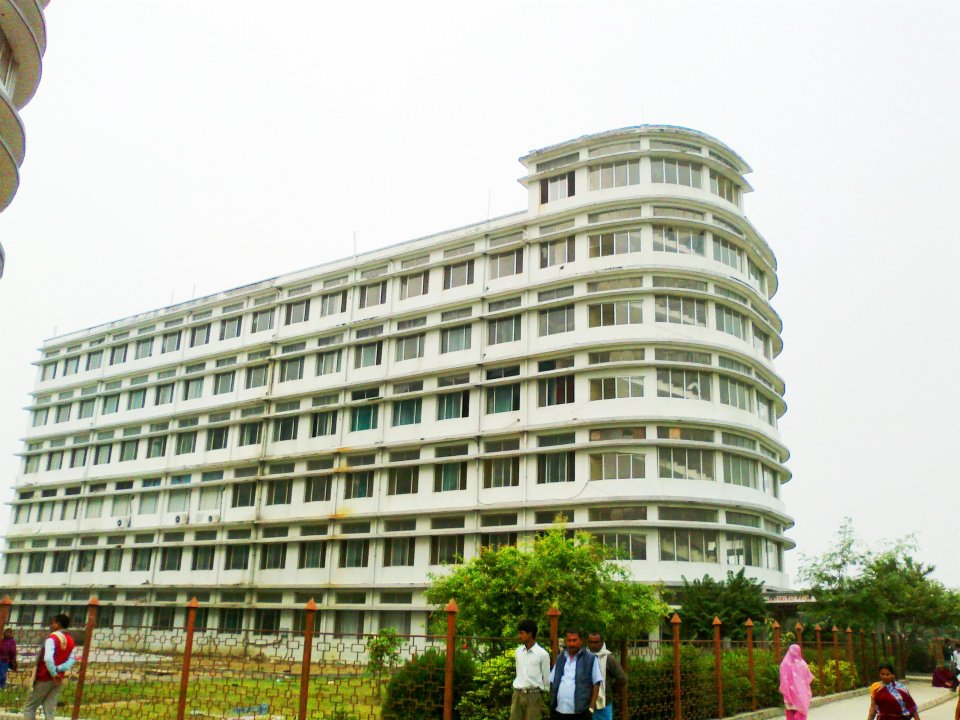
National Medical College provides a single-campus setting of about 40 acres where major academic and support facilities are located together. The campus includes pre-clinical departments, clinical departments, a teaching hospital, a nursing school, hostels, staff quarters, and a central library.
For MD Pathology students, this environment supports academic work within a broader health science institution. The central library is housed in a separate double-storied building and has seating capacity for 250 readers. Its collection includes textbooks, reference books, print and electronic journals, WHO publications, research reports, theses, Nepalese health literature, Ministry of Health publications, and related academic materials. HINARI journal access is also available, along with photocopy and audiovisual learning support.
Hostel accommodation is available within the campus setting. Internet access is available through Fiber Optic LAN and WiFi in hostels and residential quarters. The campus also includes canteens, sports facilities, an auditorium, a gymnasium, an aerobic exercise hall, and banking services including ATM support.
The MD Pathology program at National Medical College benefits from being located within an established medical college environment. The presence of academic departments, a teaching hospital, library resources, and student facilities within one campus supports the wider academic context of postgraduate medical education.
The location in Birgunj places the college within a major urban and commercial center near the Indo-Nepal border. Within the institution itself, the academic setting is organized around health science education, clinical service, and professional training. This makes the college environment relevant for specialist pathology study linked to broader medical education and institutional practice.
Contact:
National Medical College
Post Box No. 78, Birgunj, Parsa, Nepal
Email: info@nmcbir.edu.np
Phone: +977-51-591014, +977-591320
The MD Pathology program runs for 3 years.
The program is affiliated with Tribhuvan University.
The approved seat capacity for MD Pathology at the college is 6.
Admission follows the MECEE-PG entrance examination framework.
Applicants need MBBS or an equivalent qualification recognized by the Government of Nepal, registration with the Nepal Medical Council, and the required entrance score. Foreign candidates must also be registered with the respective medical council of their own country.
The program focuses on histopathology, cytopathology, and haematopathology, along with disease correlation, interpretation of investigations, teaching, and research-related work.
Yes. The entrance examination includes clinical subjects, basic medical sciences, community medicine, research methodology, forensic medicine, and mandatory professional topics.
Students have access to academic departments, the teaching hospital environment, the central library, hostels, internet services, canteens, sports facilities, auditorium, and banking support within one campus.






