



BSc Medical Imaging Technology (BSc MIT) at National Medical College, Birgunj is a bachelor-level program affiliated with Tribhuvan University. The course runs for four years and has an approved intake of 6 seats at the college. It is offered within a single-campus medical college setting that brings together academic departments, a teaching hospital, a central library, hostels, and student support services in Birgunj, Parsa.
The program is intended for students seeking study in diagnostic imaging and radiological practice through a structured undergraduate course that combines classroom learning, technical study, and practical training linked to medical imaging work.
Course: BSc Medical Imaging Technology (BSc MIT)
Institution: National Medical College
Location: Birgunj, Parsa, Nepal
Affiliation: Tribhuvan University
Level: Bachelors
Duration: 4 years
Seat Capacity: 6
Entrance Exam: MECEE-BL
Email: info@nmcbir.edu.np
Phone: +977-51-591014, +977-591320
Address: Post Box No. 78, Birgunj, Parsa, Nepal
BSc Medical Imaging Technology is a four-year academic program centered on imaging procedures used in medical diagnosis. The course covers radiographic practice, imaging technology, patient care in radiology settings, equipment-related knowledge, and technical work linked to diagnostic imaging services.
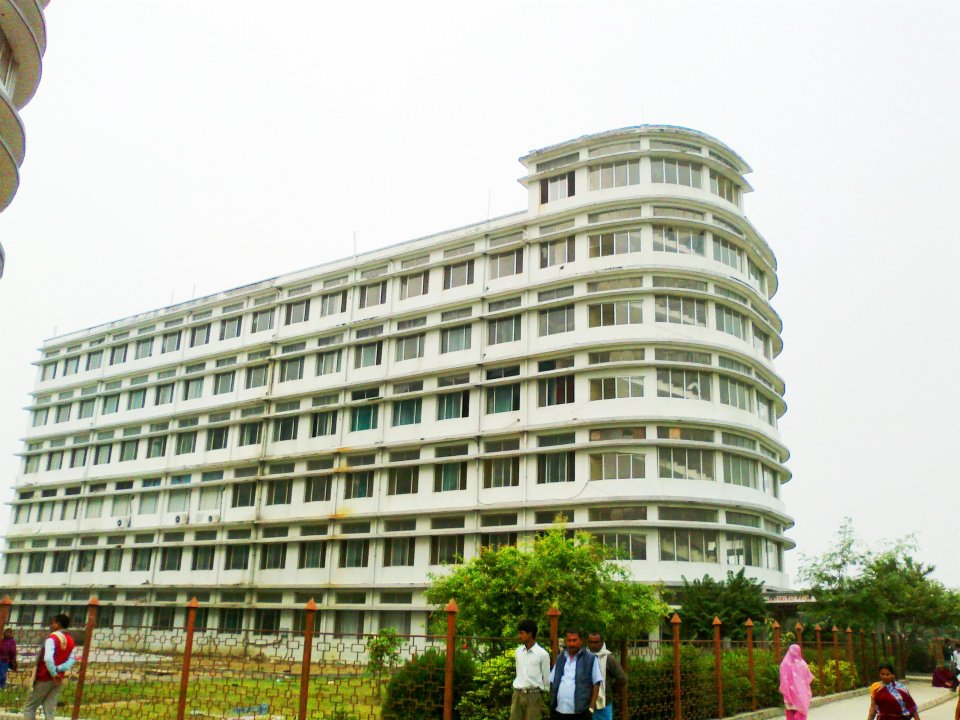
At National Medical College, the program is taught in an institution that already runs medical, dental, nursing, and paramedical education. The college campus includes pre-clinical and clinical departments, a teaching hospital, hostels, staff quarters, and a central library within one campus. This academic setting supports classroom study along with hospital-linked exposure relevant to imaging education.
Duration: 4 years
The BSc MIT program is completed over four academic years. The course moves from foundational sciences and radiographic basics to radiological procedures, imaging methods, equipment knowledge, quality assurance, project work, and practice in medical imaging technology.
The academic scope of the program includes imaging procedures used in diagnosis, patient handling in radiology settings, radiation-related subjects, technical work connected to imaging equipment, and practical exposure across different imaging areas.
The program is structured to build knowledge and practical ability in diagnostic imaging work. Its academic direction includes:
radiographic procedures and imaging techniques
patient care in radiology departments
imaging equipment and technical maintenance awareness
radiation-related knowledge and safety practices
CT, MRI, ultrasonography, and other imaging areas included in the curriculum
applied learning through practical and project-based components
The course also includes research methodology, information technology, healthcare management, and quality assurance within radiodiagnosis.
Applicants must meet one of the following academic routes:
Physics, Chemistry, and Biology studied from a recognized educational institution with at least 50 percent marks or 2.4 CGPA in Proficiency Certificate Level or Grade 12 Science Group
A-Level or similar qualification with Physics, Chemistry, and Biology, with at least 50 percent marks or 2.4 CGPA or equivalent
Proficiency Certificate Level or Diploma in Health Science in Ayurveda, Medical Lab Technology, Radiography, Physiotherapy, Pharmacy, or Ophthalmic Science with at least 50 percent aggregate marks for related academic program routes
Proficiency Certificate or Diploma in Health Science in Medical Lab Technology, Ophthalmic Science, Dental Science, Pharmacy, Radiography, Ayurveda, or Physiotherapy with at least 50 percent aggregate marks, Physics, Chemistry, and Biology from the National Examination Board with at least 50 percent aggregate marks or 2.4 CGPA, equivalence to Grade 12 Science Group, and registration in the concerned council
Entrance Exam: MECEE-BL
Admission to the BSc MIT program follows the integrated admission process under MECEE-BL. A minimum of 50 percentile is required to pass the entrance process. The examination awards one mark for each correct answer and deducts 0.25 marks for each incorrect answer.
Candidates selected for admission are required to submit original documents along with photocopies at the time of admission. These include:
certificate of qualification, transcript, and character certificate of 10+2 and SLC or SEE or equivalent
copy of citizenship or passport
admit card of the entrance examination
documents submitted for reservation
certificate of equivalence for students with certificates from foreign institutions
Foreign candidates applying for vacated seats for foreign students must complete the online application within the stated time and mention the chosen academic program.
The BSc MIT curriculum under Tribhuvan University is arranged across four years.
The first year builds the scientific and technical base of the program. It includes:
Human Anatomy
Human Physiology
Basic Radiation Physics
Radiographic Equipment
Radiographic Photography
Radiographic Technique
Hospital Practice and Patient Care
Practical in Radiography
The second year develops procedural and applied imaging knowledge. It includes:
Basic Health Science III
Radiological Procedures
Radiological Cross-Sectional Anatomy
Clinical Radiology
Physics of Modern Medical Imaging Technology
Biostatistics and Research Methodology
Practical in Radiography and Radiological Procedures
The third year moves into specialized areas and applied academic work. It includes:
Special Imaging Technique
Quality Assurance in Radiodiagnosis
Information Technology
Healthcare Management
Basic X-Ray Engineering
Project Work
Practical in Radiology and Imaging Techniques
The final year focuses on imaging practice across major diagnostic areas. It includes:
Practice of Medical Imaging Technology
General Radiography
Fluoroscopic and Interventional Procedures
Computed Tomography (CT)
Magnetic Resonance Imaging (MRI)
Mammography
Ultrasonography
Scholarship provisions for BSc MIT are governed by the National Medical Education Act, 2018 and the National Medical Education Regulations, 2020.
National Medical College was established in 2001 and is located in Birgunj, Parsa. The college campus covers about 40 acres and brings together pre-clinical and clinical departments, a teaching hospital, a nursing school, hostels, staff quarters, and the central library within one campus.
For BSc MIT students, this setting supports access to academic departments, hospital-linked training, library resources, and residential facilities in the same institutional space. The central library has seating capacity for 250 readers and includes textbooks, reference books, print and electronic journals, WHO publications, research reports, theses, and Nepalese health literature. HINARI journal access, photocopy support, and audiovisual learning resources are also available.
Hostel accommodation is available separately for boys and girls. Internet access is available through Fiber Optic LAN and WiFi in hostels and quarters. The campus also includes an auditorium, canteens, sports facilities, a gymnasium, an aerobic exercise hall, and banking support with ATM service.
National Medical College
Post Box No. 78, Birgunj, Parsa, Nepal
Email: info@nmcbir.edu.np
Phone: +977-51-591014, +977-591320
The BSc Medical Imaging Technology program runs for four years.
The program is affiliated with Tribhuvan University.
The approved seat capacity for BSc MIT at the college is 6.
Admission follows the MECEE-BL entrance examination framework.
The course covers radiographic procedures, radiological techniques, imaging technology, patient care, radiation-related subjects, quality assurance, and practical work in medical imaging.
The curriculum includes general radiography, fluoroscopic and interventional procedures, CT, MRI, mammography, and ultrasonography.
Applicants need the required science background with Physics, Chemistry, and Biology and at least 50 percent marks or 2.4 CGPA, or another eligible route under the stated criteria.
Students have access to the teaching hospital, academic departments, central library, hostels, internet services, auditorium, canteens, sports facilities, and banking support within one campus.






