



Bachelor of Fine Arts (BFA) is a four-year undergraduate program offered through the Department of Art and Design at Kathmandu University School of Arts (KUSOA), Hattiban, Lalitpur. KUSOA is a constituent academic unit of Kathmandu University (KU).
The BFA is organized across eight semesters, beginning with two years of foundation study before students move into specialization. Graphic Communication and Studio Art are identified within the BFA offering.
The Graphic Communication pathway totals 139 credits, including 72 foundation credits and 67 specialization credits, with electives, independent project work, a final group show, and internship activity forming part of the later stage.
| Particular | Details |
|---|---|
| Course | Bachelor of Fine Arts (BFA) |
| Level | Bachelor's |
| Institution | Kathmandu University School of Arts |
| Department | Department of Art and Design |
| University | Kathmandu University |
| Location: | Hattiban, Lalitpur, Nepal |
| Duration: | 4 years |
| Academic structure | 8 semesters |
| Seats: | 30 |
| Foundation stage | 2 years, 4 semesters |
| Specialization stage | 2 years, 4 semesters |
| Graphic Communication credits | 139 credits |
| BFA areas identified | Graphic Communication and Studio Art |
KUSOA places Bachelor of Fine Arts within its Department of Art and Design together with Bachelor of Craft and Design and Master of Fine Arts.
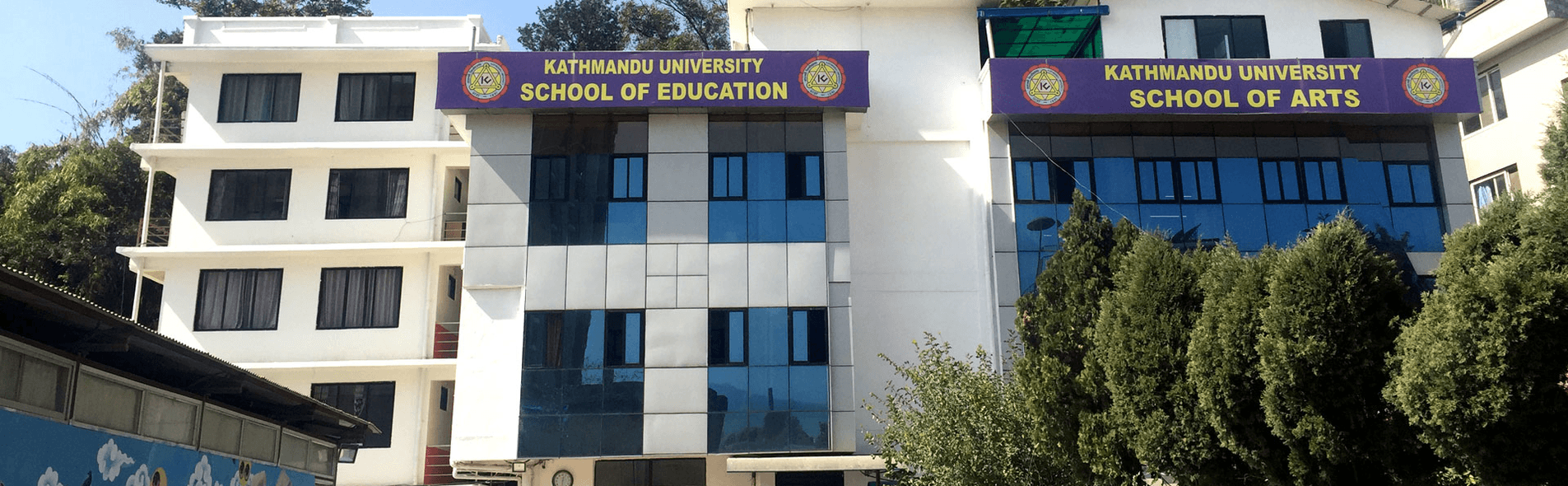
The BFA is structured around a foundation-to-specialization model. Students spend the first two academic years in exploratory art studios before moving into a more focused area from the third year.
This progression is important to the character of the degree. The foundation stage gives students time to work across art practice before specialization begins, rather than requiring a narrow choice at the start of the program.
KUSOA identifies both Graphic Communication and Studio Art within the Bachelor of Fine Arts offering. The detailed academic structure available for Graphic Communication shows how the specialization stage develops from the common foundation into more concentrated design and project work.
The program operates within Kathmandu University's academic system. Admission, entrance requirements, curriculum administration, examinations, results, academic progression, and degree award follow KU rules and regulations together with the requirements established for the BFA.
Duration: The BFA runs for four years and is divided into eight semesters.
The Graphic Communication structure is organized into two main stages:
| Stage | Duration | Credits |
|---|---|---|
| BFA Foundation | 2 years / 4 semesters | 72 |
| BFA Specialization | 2 years / 4 semesters | 67 |
| Total | 4 years / 8 semesters | 139 |
The first half of the degree consists of foundation work. Specialization begins from the third year and continues through the final four semesters.
This arrangement allows students to build an exploratory studio base before undertaking more concentrated work within their selected BFA direction.
The first two years form the BFA Foundation stage, carrying 72 credits across four semesters.
These years are described as exploratory art studios. Their position at the beginning of the degree gives students a common base before specialization.
The foundation stage should not be confused with the later Graphic Communication curriculum. Its role is to prepare students for the more focused studio and design work that begins from the third year.
For students considering BFA, this means the degree does not move immediately into a single narrow professional area. The first half is devoted to foundation work, followed by two years of specialized study.
The specialization stage occupies the final two years and four semesters and carries 67 credits in the Graphic Communication structure.
KUSOA identifies two areas within its BFA offering:
Graphic Communication
Studio Art
The detailed course context available for Graphic Communication describes students moving into this stream after completing the two-year foundation stage. Studio Art is also identified as part of the BFA offering, but its separate curriculum structure is not carried into the Graphic Communication course details.
The distinction matters when reading the BFA as a whole. The 139-credit structure and detailed practical description relate specifically to the Graphic Communication pathway.
BFA Graphic Communication begins from the third year after completion of the exploratory foundation stage.
The specialization concentrates on the development of concepts, design strategies, and responsibilities connected with visual communication. Particular attention is given to the development and production of print designs.
Design Studio courses provide space for experimental and exploratory work across other areas of the design field. Students also select an elective each semester to supplement their chosen stream.
Academic work in this specialization therefore includes several connected elements:
Concept development
Visual and graphic communication
Design strategy
Print-design development and production
Design Studio work
Experimental and exploratory practice
Elective study
Independent project work
Exhibition-related work
Internship
The combination of studio work and electives gives students both a defined specialization and some room to supplement their main area of study.
The final semester includes independent project work.
Students develop their own projects and take part in a group show. This places individual creative work within a public presentation setting at the concluding stage of the specialization.
The independent project follows the earlier foundation, studio, specialization, and elective work. It gives students a final academic setting for bringing together ideas and approaches developed across the degree.
For a student considering Graphic Communication, the project component also means that the later part of the BFA requires sustained independent work rather than studio exercises alone.
Internship is included in the final-semester structure of BFA Graphic Communication.
Students undertake an internship with professional organizations alongside their independent project and group show.
The internship adds a workplace component to the final phase of study. It sits alongside the academic and creative work of the specialization rather than replacing it.
KUSOA also identifies internship provision among the wider features of its undergraduate programs.
The undergraduate academic environment at KUSOA includes facilities and activities relevant to studio and interdisciplinary study.
School-level undergraduate features include:
Multimedia lab and studio
Multimedia classrooms
Library with online resources
Research projects
Internship provision
Field visits and tours
Student exchange programs
Interdisciplinary credit exchange of up to 9 credits
Credit-transfer facility
These are undergraduate provisions across KUSOA rather than BFA-specific curriculum requirements.
For Fine Arts students, studio access is particularly relevant to the practice-oriented structure of the degree, while library and multimedia resources support the broader academic side of undergraduate study.
Bachelor of Fine Arts admission is administered within the Kathmandu University framework and the program-specific requirements of the Department of Art and Design.
KUSOA's program structure places the BFA directly under the Department of Art and Design. The department contact is:
Contact: Mr. Sagar Manandhar
Phone: 9841478945
Email: info@kuart.edu.np
General admission communication can also be directed to:
Admissions Email: soa_admission@ku.edu.np
Admissions Phone: 9801298094
Entrance, curriculum, examinations, results, and the final degree award operate according to Kathmandu University rules and regulations.
The Graphic Communication pathway supports development of abilities connected directly with its studio, design, elective, project, and internship work.
Students may develop experience in:
Developing visual concepts
Planning graphic and communication approaches
Working with print-design processes
Exploring different design directions
Managing independent creative projects
Preparing work for group presentation
Working within studio-based projects
Applying design work within an internship setting
The exact strengths developed by each student depend on their specialization work, electives, projects, and individual practice.
The Graphic Communication specialization identifies a range of possible professional directions.
Graduates may explore areas such as:
Graphic art
Web design
Typography
Illustration
Photography
Animation
Art direction
Storyboard art
Interdisciplinary art
Entrepreneurship
The course context also identifies additional directions after specialized training, including videography, filmmaking, animation, product design, research, web design, interior design, and game design.
These should be read as possible fields rather than guaranteed job outcomes. Career direction depends on the graduate's portfolio, specialization, additional training, practical ability, experience, and available opportunities.
The Department of Art and Design also offers the Master of Fine Arts (MFA) at graduate level.
This provides an academic pathway within the same departmental setting for students who later meet the requirements for master's-level study.
The Department's inclusion of BFA, Bachelor of Craft and Design, and MFA also places Fine Arts within a wider art-and-design academic structure at KUSOA.
The BFA may suit students whose interests are centered on sustained art and design practice and who are prepared for a four-year studio-based undergraduate degree.
The structure is particularly relevant to students who prefer to begin with broad foundation work before moving into specialization. Those interested in Graphic Communication should also be prepared for print design, concept development, Design Studio work, electives, independent projects, exhibition activity, and internship.
Students choosing the program should consider whether this balance of exploratory foundation work and later specialized practice fits the way they want to study Fine Arts.
The Bachelor of Fine Arts is a four-year undergraduate program divided into eight semesters.
The Bachelor of Fine Arts has 30 seats.
The program begins with two years and four semesters of foundation study, followed by two years and four semesters of specialization.
The Graphic Communication structure totals 139 credits: 72 credits in the two-year foundation stage and 67 credits in the two-year specialization stage.
KUSOA identifies Graphic Communication and Studio Art within the Bachelor of Fine Arts offering.
Students move into BFA Graphic Communication from the third year after completing the two-year exploratory foundation stage.
Yes. Students choose an elective each semester to supplement their chosen stream.
Yes. Graphic Communication students undertake an internship with professional organizations in the final semester.
Yes. Students complete independent projects in the final semester and participate in a group show.
Possible areas include graphic art, web design, typography, illustration, photography, animation, art direction, storyboard art, and interdisciplinary art. Additional specialized training may support other design and media-related directions.






