Masters in Landscapes Management and Heritage Studies (LaMHS) is a master's-level program at Kathmandu University School of Arts (KUSOA), Lalitpur. It is listed among the School's school-run graduate programs rather than under one of KUSOA's named departmental groups.
KUSOA is a constituent academic unit of Kathmandu University (KU), and its graduate programs follow a two-year semester structure with research projects and dissertation work as part of the wider postgraduate academic framework.
LaMHS sits within the interdisciplinary side of KUSOA's academic portfolio. The program's placement is particularly relevant because the School brings together development studies, economics, arts and design, media, music, and additional school-run programs within the same university setting.
| Particular | Details |
|---|---|
| Course | Masters in Landscapes Management and Heritage Studies (LaMHS) |
| Level | Master's |
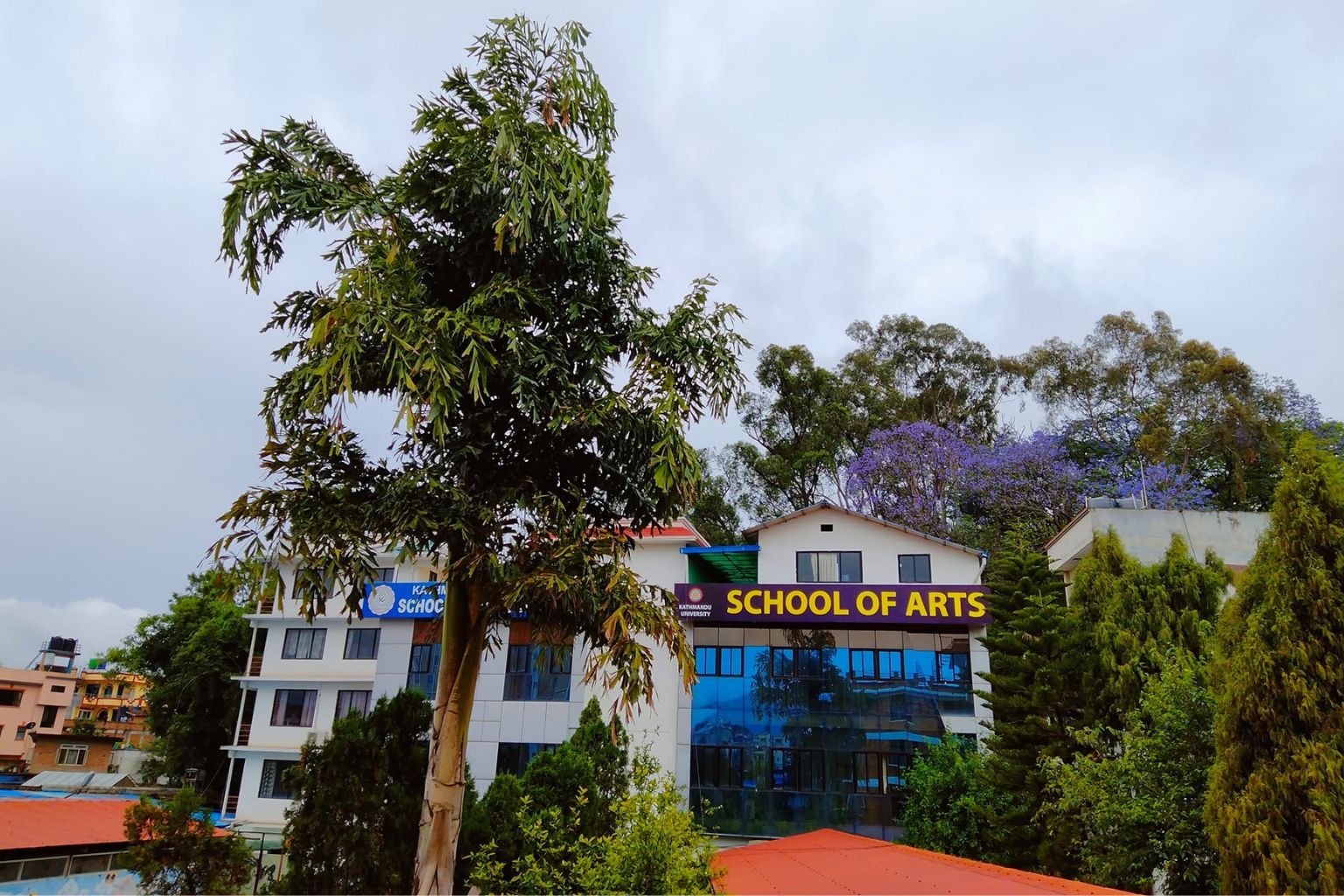
| Institution | Kathmandu University School of Arts |
| University | Kathmandu University |
| Location: | Hattiban/Lalitpur |
| Duration: | 2 years |
| Academic system | Semester system |
| Program category | School-run graduate program |
| Graduate components | Research projects and dissertation |
| Academic framework | Kathmandu University rules and regulations |
LaMHS is identified within KUSOA's program portfolio as a master's program concerned with landscapes management and heritage studies. Its position as a school-run program distinguishes it from graduate courses placed directly under departments such as Development Studies, Economics, Languages and Mass Communication, Arts and Design, or Music.
This organizational position is useful for understanding the course. KUSOA's school-run category contains interdisciplinary academic offerings that sit alongside its departmental structure. The current program directory places Landscape Management and Heritage Studies at master's level within this category.
The program should therefore be understood within KUSOA's broader interdisciplinary graduate environment. Graduate study at the School includes semester-based coursework, research projects, dissertation work, field visits, internship provisions, library resources, and opportunities for academic exchange and credit transfer.
Duration: LaMHS follows the two-year graduate-program structure used at Kathmandu University School of Arts.
Graduate programs at KUSOA operate through a semester system. This means students progress through a structured postgraduate academic schedule governed by Kathmandu University regulations rather than through an open-duration study arrangement.
The wider KUSOA graduate framework includes:
Two years of study
Semester-based academic progression
Research projects
Dissertation work
Field visits
Internship provision
Interdisciplinary programs
Library resources with online access
Student exchange opportunities
Credit-transfer provisions
These are School-level graduate features and form the academic environment in which LaMHS is placed.
The placement of LaMHS within KUSOA is significant because the School covers several areas that intersect with social, cultural, environmental, creative, and development-oriented study.
KUSOA's academic structure includes Development Studies, Economics, Arts and Design, Languages and Mass Communication, Music, and school-run programs. LaMHS belongs to the final category rather than being presented as a specialization within another master's degree.
This distinction separates LaMHS from programs such as Master in Urban Studies, where Landscape & Heritage Management appears as one elective subject. LaMHS itself is listed independently as a master's-level academic offering. The two should therefore not be treated as the same program or as interchangeable curricula.
Students considering LaMHS are entering a degree specifically organized around the combined academic areas named in the program title rather than taking landscape and heritage as a single elective within another course.
Research projects and dissertation work form part of KUSOA's graduate academic structure.
For students at master's level, this introduces a substantial independent academic component alongside regular semester study. Research projects allow students to work beyond routine classroom participation, while the dissertation forms part of the broader postgraduate framework established at the School.
LaMHS students should therefore approach the program as a university master's degree that includes independent academic responsibility. Research preparation, sustained reading, academic writing, and completion of the requirements attached to the graduate program form part of the study environment.
The exact research topic and dissertation process operate according to the curriculum and academic regulations applicable to the program.
KUSOA includes multiple field visits among the main features of its graduate programs.
Field engagement is an important part of the wider graduate setting because it allows postgraduate study to extend beyond classroom instruction. Within a program organized around landscapes management and heritage studies, the institutional provision for field visits gives students access to a study format that includes direct academic engagement outside regular classroom sessions.
KUSOA also identifies internship provision within its graduate framework. The role and timing of internship activity depend on the prescribed structure of the individual graduate program.
These provisions sit alongside research projects and dissertation work, giving the School's postgraduate environment a combination of classroom, research, field, and independent academic components.
Graduate students at KUSOA study within an environment that includes several shared academic resources.
The School identifies:
Library facilities with online resources
Multimedia classrooms
Multimedia lab and studio
Research projects
Dissertation work
Field visits
Internship opportunities
Student exchange programs
Credit-transfer facilities
These resources serve the wider graduate community at KUSOA. Their use within LaMHS depends on the academic activities attached to the program.
For postgraduate work, library and online resources are especially relevant to reading, research preparation, academic writing, and dissertation work. Field visits and interdisciplinary activity add another dimension to the School's graduate learning environment.
Admission to LaMHS operates within Kathmandu University's academic rules and the requirements established for the program.
KUSOA does not use one identical eligibility rule for every master's degree. Its graduate admission conditions vary by course, and eligibility requirements used for Master in Media Studies, Master in Urban Studies, Master in Film Studies, or another program should not automatically be transferred to LaMHS.
The School manages graduate admissions within the KU academic system. General admission communication for KUSOA is available through:
Admissions Email: soa_admission@ku.edu.np
Admissions Phone: 9801298094
Admission, curriculum, examinations, academic progression, results, and degree award are governed through Kathmandu University and the requirements applicable to the course.
KUSOA uses a four-point grading system with letter grades for academic evaluation.
| Grade | Grade Point |
|---|---|
| A | 4.0 |
| A- | 3.7 |
| B+ | 3.3 |
| B | 3.0 |
| B- | 2.7 |
| C+ | 2.3 |
| C | 2.0 |
| C- | 1.7 |
| D | 1.0 |
| F | 0 |
The exact balance of examinations, assignments, research work, projects, field-based activities, and dissertation assessment for LaMHS follows the academic structure prescribed for the program.
Successful completion requires students to satisfy the academic requirements established under Kathmandu University's graduate regulations.
LaMHS is part of Kathmandu University School of Arts, which is a constituent unit of Kathmandu University. Degree administration therefore remains within the University's academic system.
Students completing the prescribed academic requirements receive their graduate degree through Kathmandu University.
This includes fulfillment of the applicable semester, evaluation, research, dissertation, and academic progression requirements attached to the program.
KUSOA identifies scholarship provisions among the features available within its graduate academic environment. Kathmandu University also operates scholarship and financial-support arrangements across its Schools.
The wider KU framework includes merit-based, need-based, and other scholarship categories, while the Hinu Ramesh Nath Dhungel Scholarship Fund is associated with the School of Arts and School of Science.
Scholarship arrangements operate under the conditions applicable to the relevant scheme and academic intake.
LaMHS may be relevant to graduates whose postgraduate interests align with the two central areas identified in the course title: landscapes management and heritage studies.
Students considering the program should also be comfortable with the broader demands of KUSOA graduate study, including:
Semester-based academic work
Research projects
Independent study
Dissertation responsibilities
Field-oriented academic activity
Interdisciplinary study
The course is therefore positioned as formal postgraduate study within Kathmandu University rather than as a short heritage or landscape training program.
Its school-run status also places it in a different organizational category from departmental graduate programs at KUSOA, while retaining the same broader university academic setting.
Kathmandu University School of Arts was established in 1996 and is based in Lalitpur. Its current academic structure includes named departments together with school-run academic programs.
LaMHS belongs to the latter group. This gives it a clear institutional position while allowing it to sit within a School that works across arts, social sciences, development, economics, communication, music, design, and interdisciplinary study.
For prospective students, the key characteristics of the course are its master's level, two-year semester structure, school-run status, Kathmandu University academic framework, and the research, dissertation, field, and interdisciplinary components that characterize graduate study at KUSOA.
LaMHS is a master's-level program at Kathmandu University School of Arts under Kathmandu University.
LaMHS follows KUSOA's two-year graduate-program structure and operates through the semester system.
KUSOA lists Landscape Management and Heritage Studies under its school-run master's programs rather than under one of its named departmental groups.
Yes. Research projects form part of the graduate academic framework at Kathmandu University School of Arts.
Yes. Dissertation work is included within KUSOA's graduate-program framework.
Yes. Multiple field visits are included among the academic features of KUSOA graduate programs.
Yes. Internship provision is listed among the features of graduate study at the School.
The program operates within Kathmandu University's academic system through Kathmandu University School of Arts.
The graduate degree is awarded through Kathmandu University after completion of the prescribed academic requirements.
Kathmandu University School of Arts is located in Lalitpur, with institutional references using Hatiban and Hattiban for the School's location.