The Master in Film Studies (MFS) at Kathmandu University School of Arts (KUSOA) is a two-year, 66-credit graduate program combining film theory, critical analysis, research, screenwriting, audiovisual production, specialization, internship, and independent film work.
The program is offered within KUSOA's Languages and Mass Communication academic area and operates under Kathmandu University (KU). Students complete four semesters, with an option to exit after the first year with a Postgraduate Diploma after completing 30 credits.
| Particular | Details |
|---|---|
| Course | Master in Film Studies (MFS) |
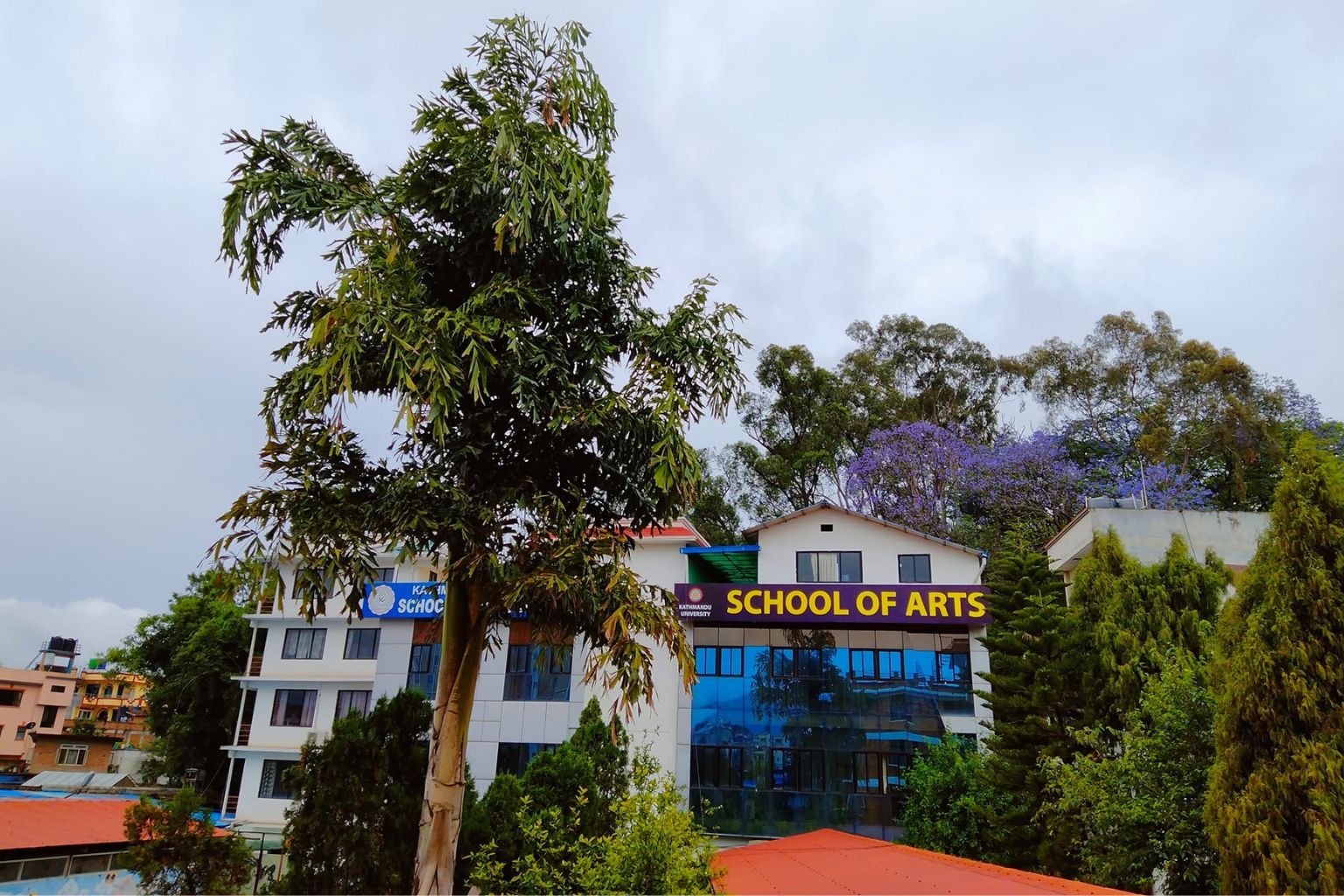
| Institution | Kathmandu University School of Arts |
| University | Kathmandu University |
| Location | Hattiban, Lalitpur |
| Level | Master's |
| Duration: | 2 years |
| Academic structure | 4 semesters |
| Total credits | 66 |
| First-year exit option | Postgraduate Diploma after 30 credits |
| Eligibility: | Bachelor's degree in any discipline with at least 45% or 2.0 CGPA |
| Admission | Entrance examination and interview |
| Graduation requirement | Minimum 3.00 CGPA |
MFS brings academic film study and practical filmmaking into the same postgraduate curriculum. Students encounter film form, narrative, aesthetics, documentary traditions, film theory, contemporary industry developments, research methods, screenwriting, production, media management, internship, and dissertation work.
The curriculum also includes practicum courses and elective choices in areas such as directing, cinematography, acting, photography, film production, screenwriting, sound, visual design, archiving, film philosophy, and creative-industry studies. This structure allows students to develop a broad understanding of cinema before concentrating on selected areas during the later stages of the degree.
Research is present from the first semester through Research Methods in Film Studies and continues into the dissertation. Practical work develops through Audiovisual Dramaturgy, screenwriting, specialized practicum options, internship, and Graduation Film Development and Production.
The program is designed to develop understanding and practical ability across several connected areas of film study.
Students work with:
Film principles, theories, history, aesthetics, and cultural contexts.
Critical analysis of film narratives, styles, and practices.
Film production and related creative processes.
Research methods relevant to film, media, communication, and cultural studies.
Screenwriting and narrative development.
Individual and collaborative production work.
Contemporary changes in film industries and streaming platforms.
Independent academic and creative work through dissertation and graduation-film components.
The curriculum gives both analysis and production substantial space. A student is expected to engage with cinema as an academic subject while also working with the processes involved in developing and producing audiovisual work.
The 66-credit curriculum is distributed across four semesters.
| Semester | Main Academic Components | Credits |
|---|---|---|
| Year I, Semester I | Film Form and Narrative; AI and Contemporary Issues in the Film; Audiovisual Dramaturgy; Social Sciences for Media; Research Methods in Film Studies | 15 |
| Year I, Semester II | Natyashastra and Indigenous Aesthetics; Narrative Design and Screenwriting; Documentary Cultures; Film Theory and Analysis; Streaming Platform Studies | 15 |
| Year II, Semester I | Elective/Specialization and elective courses | 15 |
| Year II, Semester II | Media Management; Internship; Graduation Film Development and Production; Dissertation | 21 |
Students begin with:
MAFS 501 Film Form and Narrative
MAFS 502 AI and Contemporary Issues in the Film
MAFS 543 Audiovisual Dramaturgy — Practicum
MEDS 503 Social Sciences for Media
MAFS 503 Research Methods in Film Studies
This semester establishes the foundation for narrative study, film research, contemporary film issues, audiovisual practice, and the social-science context of media.
The second semester includes:
MAFS 504 Natyashastra and Indigenous Aesthetics
MAFS 544 Narrative Design and Screenwriting: Practice, Form, and Structure — Practicum
MAFS 505 Documentary Cultures in the West and the East
MAFS 506 Film Theory and Analysis
MAFS 507 Industry Transformations and Dynamism of Streaming Platforms
The semester brings indigenous aesthetics, documentary traditions, theoretical analysis, screenwriting practice, and changing film-distribution environments into the curriculum.
The third semester gives students a wider choice of specialized film and media subjects.
Elective I includes options such as:
Cinema Auteurs
Film Directing Techniques — Practicum
Photography and Visual Culture
Film Producing & Legal Issues
Entrepreneurship in Media & Creative Industries
Indigenous Visual Cultures in Nepal and Asia
Elective II includes:
Global Women Filmmakers
Acting for Screen — Practicum
Cinematography in South Asia — Practicum
Audience, Exhibition & Local Markets
Moving Image Archiving & Preservation
Climate Change and Green Filmmaking
Elective III includes:
Film-Philosophy
Advanced Screenplay Writing — Practicum
Sound and Cinema — Practicum
Moving Image Design — Practicum
International Co-production in Nepal and South Asia
Nepali Society, Culture and Communication
The elective arrangement lets students concentrate on selected theoretical, creative, technical, cultural, or industry-related areas after completing the common first-year curriculum.
The fourth semester carries 21 credits and places greater emphasis on independent and applied work.
Students complete:
MEDS 507 Media Management — 3 credits
MAFS 541 Internship — 3 credits
MAFS 542 Graduation Film Development and Production — 9 credits
MAFS 552 Dissertation — 6 credits
Graduation Film Development and Production is the largest single component of the semester. Alongside the dissertation and internship, it brings together the practical, research, and professional strands developed throughout the program.
The broader practical structure also includes the production of short films during the program, contributing to a body of creative work developed through study.
MFS combines seminars with practical workshops and project-based study.
Learning methods include:
Workshop-based learning
Theoretical seminars
Film analysis and critiques
Screenwriting practicum
Directing and cinematography practicum through relevant electives
Individual projects
Collaborative production work
Graduation film production
Internship
Research and dissertation work
Practicum courses provide space for hands-on work, while theory and analysis courses involve discussion and critical examination of film. Internship and industry-oriented coursework add another dimension by connecting academic study with professional media contexts.
Eligibility: Applicants must have completed a bachelor's degree in any discipline with a minimum of 45 percent or 2.0 CGPA.
Admission also requires candidates to pass an entrance examination and interview.
The broad bachelor's-level eligibility means the course is not restricted to graduates of film or media programs. However, applicants entering from another discipline should be prepared for postgraduate work involving film analysis, research, production, writing, collaborative projects, and practical coursework.
Admission, curriculum implementation, examinations, results, and degree awards follow Kathmandu University rules and regulations.
Most MFS courses use two components of evaluation:
In-semester evaluation: 70 percent
Final examination: 30 percent
Practicum-based courses are assessed through ongoing internal evaluation rather than the same final-examination structure used for most other subjects.
Students must maintain a minimum 3.00 CGPA to graduate from the program.
Successful completion of the full 66-credit structure leads to the Master in Film Studies degree.
Students also have an exit option after the first year. Completion of the first 30 credits allows a student to exit with a Postgraduate Diploma.
The combination of coursework, practicum, electives, internship, research, and graduation film can support development in areas such as:
Film interpretation and critical analysis
Screenwriting and narrative development
Audiovisual production
Film research
Academic writing
Production planning
Directing or cinematography through relevant elective choices
Collaborative filmmaking
Film-related presentation and discussion
Independent project development
The specific mix of practical abilities will vary according to the electives selected and the responsibilities undertaken during production projects.
The academic and practical scope of MFS is relevant to several areas of film and media work.
Graduates may explore opportunities connected with:
Film directing
Film production
Screenwriting
Cinematography
Editing
Sound-related film work
Film criticism and journalism
Film and media research
Teaching and academic work
Film festival and curation activities
Archives and moving-image preservation
Media and creative industries
The program can also provide a foundation for continued academic study or specialized education in film, media, communication, and related creative fields.
Career outcomes depend on individual ability, portfolio, specialization, practical experience, professional networks, and available opportunities rather than the degree alone.
Master in Film Studies may suit graduates who want to study cinema through both academic and practical approaches.
It may be particularly relevant to students interested in film theory, filmmaking, screenwriting, audiovisual storytelling, documentary practice, research, criticism, cinematography, production, or the wider media and creative sector.
The course also requires students to work beyond creative production alone. Research methods, theoretical analysis, written academic work, internship, dissertation, and critical discussion form important parts of the degree.
Master in Film Studies is a two-year program divided into four semesters.
Students complete 66 credits across the four-semester program.
Applicants must have a bachelor's degree in any discipline with at least 45 percent or a 2.0 CGPA.
Yes. Candidates must pass an entrance examination and interview as part of the admission process.
Yes. The curriculum includes practicum courses, production work, internship, and a nine-credit Graduation Film Development and Production component.
Electives cover areas such as film directing, cinematography, acting for screen, photography, film producing, screenplay writing, sound, visual design, film philosophy, archiving, green filmmaking, and international co-production.
Yes. MAFS 552 Dissertation carries six credits and is completed in the final semester.
Students must maintain a minimum CGPA of 3.00 to graduate.
Yes. Students completing 30 credits during the first year may exit with a Postgraduate Diploma.
Graduates may consider film production, directing, screenwriting, cinematography, editing, criticism, research, academic work, curation, archives, and related media and creative fields.