Bachelor in Ethnomusicology (B.Mus) is a four-year, eight-semester full-time undergraduate program offered through the Department of Music under Kathmandu University School of Arts (KUSOA). The degree develops an integrated understanding of Nepalese and South Asian music while introducing students to other musical traditions and the academic and practical methods used in ethnomusicology.
Study combines prescribed courses with project work, practical music learning, seminars, fieldwork, research, performance, and related forms of musical documentation. The program is part of Kathmandu University (KU) and follows the University's academic rules and regulations.
| Particular | Details |
|---|---|
| Course | Bachelor in Ethnomusicology (B.Mus) |
| Level | Bachelor's |
| Institution | Kathmandu University School of Arts |
| Department | Department of Music |
| University | Kathmandu University |
| Department location | Chupin Ghat, Bhaktapur |
| Duration | 4 academic years |
| Academic structure | 8 semesters |
| Study mode | Full-time |
| Seats | 30 |
| Eligibility | 10+2 or equivalent in any discipline |
| Minimum academic requirement | 40% marks or CGPA 2.0 |
| Selection | Academic record, entrance test, interview and musical aptitude/experience |
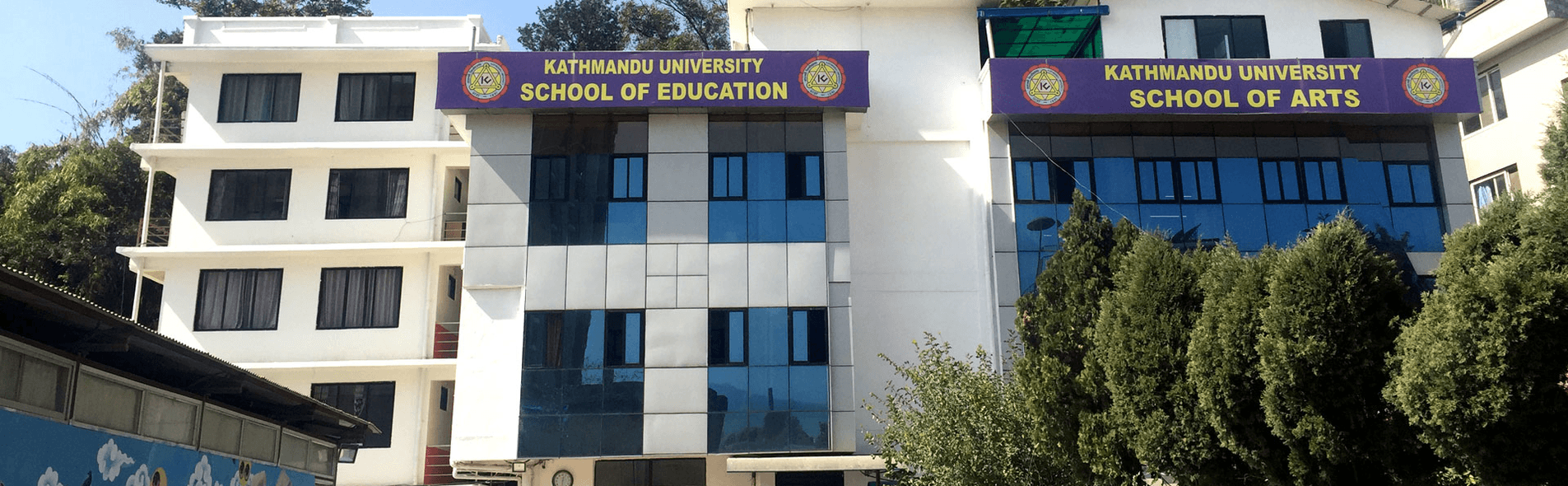
KUSOA places Bachelor in Ethnomusicology and Master in Ethnomusicology under its Department of Music. The Department of Music is located at Chupin Ghat, Bhaktapur, while Kathmandu University School of Arts has its institutional base in Hattiban, Lalitpur.
The B.Mus curriculum is designed around the study of music as both a musical practice and an academic field. Its primary geographical and cultural focus is Nepalese and South Asian music, while students also gain basic knowledge of musical traditions from other parts of the world.
Ethnomusicology in this program involves more than learning to perform music. The Department's academic environment also covers research, preservation, documentation, recording, communication, and the study of music within wider cultural settings.
Students complete prescribed courses and project work across eight semesters. The structure gives practical music study a place alongside lectures, seminars, reading, fieldwork, presentation, and research-oriented assignments.
The course develops study across several connected areas:
Nepalese musical traditions
South Asian music
Selected musical traditions from other parts of the world
Practical music study
Ethnomusicological approaches
Field-based music study
Research and project work
Performance
Documentation and preservation
Academic presentation and discussion
The Department of Music itself works through six areas: academic courses, practical music classes, performance, preservation, research, and publication and communication. Preservation activities include a sound archive and collection of musical instruments, while publication and communication can involve literature, recordings, documentary films, and online work.
These departmental areas provide the broader academic setting for B.Mus study without replacing the curriculum prescribed for the degree.
Duration: Four academic years
Academic Structure: Eight semesters
Study Mode: Full-time
The B.Mus degree is awarded after successful completion of the prescribed courses and project work across the four-year period.
The program combines different modes of learning rather than relying on classroom lectures alone. Depending on the academic unit, students may take part in:
Lectures
Practical demonstrations followed by discussion
Seminars
Practical courses
Self-directed study
Specified reading
Fieldwork
Presentation and discussion of field findings
Project work
Students are expected to take an active part in seminars and lectures, including asking questions, discussing concepts, and presenting their views rather than depending only on reproduction of course content.
Eligibility: Applicants must have completed Higher Secondary (10+2) or an equivalent qualification in any discipline from a recognized institution with at least 40 percent marks or a CGPA of 2.0.
The program also requires:
Working knowledge of English for reading, writing, and communication
Musical aptitude
The acceptance of applicants from any academic discipline means previous study does not have to be limited to music, but musical aptitude remains part of the program's entry requirements.
Admission considers both academic preparation and the applicant's capacity for music study.
The selection process includes:
Academic records
Entrance-test performance
Interview
Musical aptitude and experience
The selection framework can also take account of references and relevant experience. Candidates are considered through more than one criterion rather than solely through their previous examination marks.
Admission, entrance procedures, curriculum implementation, examinations, results, and degree award remain subject to Kathmandu University rules and regulations.
Practical learning forms a clear part of the Department of Music's academic approach. Students encounter practical demonstrations, practical courses, and opportunities to work with special musical skills alongside academic study.
Fieldwork adds another dimension. Students may investigate musical topics outside the regular classroom and later present and discuss their findings, results, and research problems.
This combination is particularly relevant to ethnomusicology because students engage with musical traditions through study, observation, practical work, and documentation rather than through theoretical reading alone.
The Department's wider work in preservation also includes a sound archive and musical-instrument collection, placing music research within an environment concerned with documentation and cultural preservation.
Evaluation in the Department of Music is continuous.
Students may be assessed through:
Class participation
Home assignments
Semester examinations
Term papers
Project reports
Theoretical examinations
Practical examinations
Essays
In-depth assignments
Practical performance
The exact assessment method depends on the nature of the individual course or unit. Some subjects may rely more heavily on theoretical work, while others can involve practical assessment or performance.
Regular attendance and punctual participation are also expected throughout the coursework.
At the end of each semester, students receive letter grades representing the weighted result of the different evaluation components.
| Grade | Grade Point |
|---|---|
| A | 4.0 |
| A- | 3.7 |
| B+ | 3.3 |
| B | 3.0 |
| B- | 2.7 |
| C+ | 2.3 |
| C | 2.0 |
| C- | 1.7 |
| D | 1.0 |
| F | 0 |
The Kathmandu University Department of Music identifies a scholarship for the student securing the top position in a semester.
The scholarship arrangement sits alongside the wider Kathmandu University student-support framework applicable to students of the School of Arts.
The Department of Music approaches music through study, practice, preservation, research, and communication.
Its stated areas of work include:
Academic courses
Practical music classes
Performance and concert activity
Preservation through sound archives and musical-instrument collections
Research
Publication and communication
The Department's work is also concerned with the study, documentation, preservation, communication, appreciation, and creative development of musical traditions in Nepal. Traditional musicians and dancers are included within its broader efforts related to intangible heritage.
For B.Mus students, this creates a setting where music can be approached through performance and practice as well as research, cultural documentation, and preservation.
The academic and practical structure can support students in developing abilities connected with:
Music performance
Study and analysis of musical traditions
Ethnomusicological inquiry
Field-based investigation
Academic presentation
Research and project work
Practical musical study
Music documentation
Critical discussion
Academic writing
Cultural preservation work
Development in these areas depends on the student's coursework, practical engagement, fieldwork, projects, and individual performance.
The Department of Music connects its academic work with areas such as music performance, training, cultural preservation, research, publication, media work, tourism, consultation, international cultural presentation, and cultural policy-related activity.
Graduates may therefore explore work related to:
Music performance
Music education and training
Music and cultural research
Documentation and preservation
Sound and music archives
Publication
Media-related music work
Cultural presentation
Research projects
Music-related consultation
These are possible areas of work rather than guaranteed employment outcomes. Professional direction depends on musical ability, research interests, additional training, experience, and available opportunities.
Students interested in continuing their academic study within the same Department can consider the Masters in Ethnomusicology, which continues the study of Nepalese and South Asian music with stronger emphasis on fieldwork and independent research.
Bachelor in Ethnomusicology may suit students who have a serious interest in music and want to study musical traditions through both practical and academic methods.
It is particularly relevant to students comfortable with:
Practical music learning
Reading and academic discussion
Musical performance
Fieldwork
Research and documentation
Project-based study
Presentations
Independent learning
Musical aptitude is an explicit entry requirement, so applicants should consider their readiness for music study alongside their academic eligibility.
The program is officially identified as Bachelor in Ethnomusicology (B.Mus) under the Kathmandu University Department of Music.
The B.Mus takes four academic years and is divided into eight semesters of full-time study.
The program has 30 seats.
Applicants need a Higher Secondary (10+2) or equivalent qualification in any discipline from a recognized institution with at least 40 percent marks or CGPA 2.0. Working knowledge of English and musical aptitude are also required.
Yes. Entrance-test performance is part of the admission process, together with academic records, interview, and musical aptitude or experience.
Yes. Practical music classes, demonstrations, practical courses, performance, and project work form part of the Department's academic environment.
Yes. Fieldwork is included among the teaching methods, with students presenting and discussing their findings and research issues.
Evaluation is continuous and can include class participation, assignments, final examinations, term papers, project reports, theoretical or practical examinations, and practical performance.
The Department of Music identifies a scholarship for the student who secures the top position in a semester.
Yes. The Department of Music also offers Master in Ethnomusicology (M.Mus) as a graduate-level program.